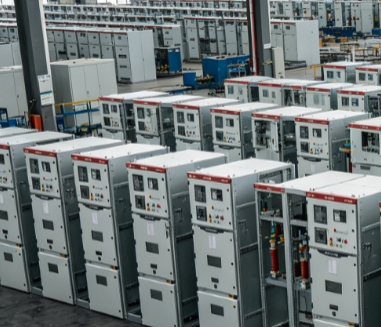
The low voltage distribution panel is the backbone of modern electrical infrastructure, directing power safely and efficiently throughout industrial and commercial facilities. Within this critical equipment, the busbar serves as the conductive backbone that carries electrical current between incoming feeds and outgoing circuits. Understanding how busbar current rating directly affects the performance, safety, and capacity of your low voltage distribution panel is essential for engineers, facility managers, and electrical professionals responsible for system design and maintenance.
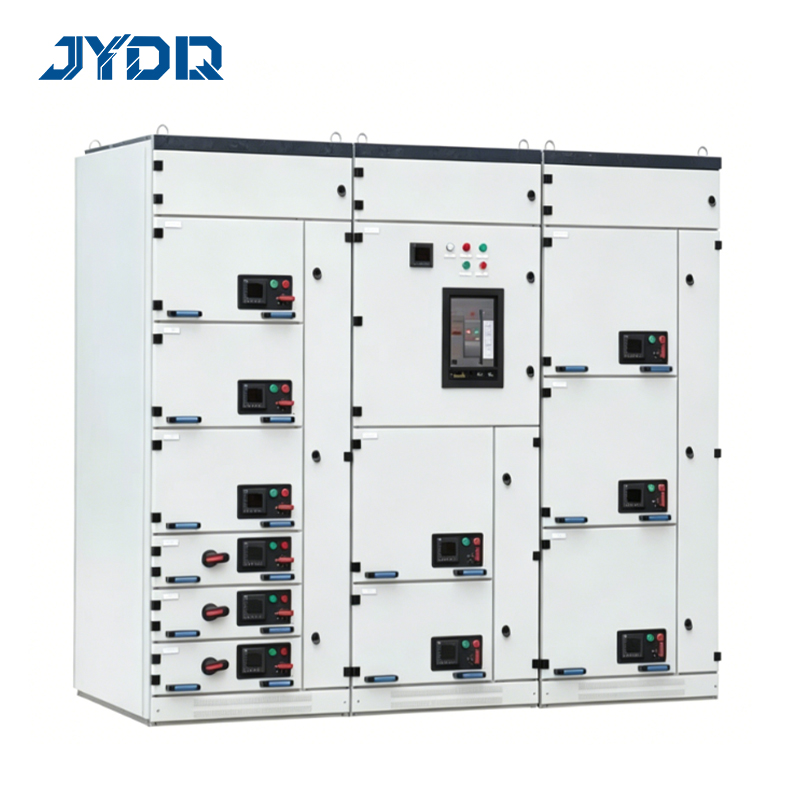
The relationship between busbar capacity and distribution panel functionality cannot be overstated. When a busbar current rating is undersized for the actual electrical demands of a facility, the entire LV distribution system becomes vulnerable to thermal stress, voltage drop, equipment failure, and potential safety hazards. Conversely, oversizing busbar specifications leads to unnecessary capital expenditure and wasted material. The optimal busbar current rating ensures that your low voltage distribution panel operates within designed parameters while maintaining reliability, safety, and future scalability.
Understanding Busbar Current Rating and Panel Capacity
What Busbar Current Rating Means
Busbar current rating refers to the maximum continuous electrical current, measured in amperes, that a busbar conductor can safely carry without exceeding allowable temperature rise. This rating is determined by the busbar material composition, cross-sectional area, material conductivity, and ambient operating conditions. In a low voltage distribution panel, the busbar current rating directly limits the total electrical load that the panel can distribute to connected circuits and equipment downstream.
The busbar current rating is not arbitrary; it is calculated based on thermal analysis and international electrical standards such as IEC 61439 and IEEE guidelines. When current flows through a conductor, resistive heating occurs. The busbar current rating ensures that this heating remains within safe limits, typically allowing a temperature rise of 30 to 40 degrees Celsius above ambient conditions. If the actual load exceeds the busbar current rating, heat accumulation becomes excessive, potentially causing insulation degradation, component failure, or fire risk within the LV distribution panel.
How Current Rating Impacts Panel Capacity
The busbar current rating directly constrains the maximum electrical capacity of the entire low voltage distribution panel. If a panel features a 1000-ampere busbar, the total load served by that panel cannot safely exceed this rating for extended periods. This means that the LV distribution infrastructure must be engineered with sufficient busbar current rating to handle not only the present electrical load but also anticipated future growth. Underestimating future demand forces costly panel replacement or system redesign long before the end of the equipment's operational life.
Panel designers must verify that the busbar current rating accommodates peak loads, including inrush currents from motor starts or transformer energization. A low voltage distribution panel serving a manufacturing facility with large rotating equipment requires careful analysis to ensure that the busbar current rating provides adequate margin above peak demand. This analysis prevents nuisance trips, thermal stress, and system instability that degrade operational reliability.
Thermal Effects and Safety Implications
Heat Generation and Thermal Management
When actual electrical current flowing through the busbar approaches or exceeds its design current rating, thermal energy accumulates within the LV distribution panel. Excessive heat degrades nearby insulation, corrodes connections, and can trigger thermal protection devices prematurely. In a low voltage distribution panel, thermal runaway represents a serious operational and safety threat. The busbar current rating must be respected as a hard ceiling to prevent this hazard.
Modern LV distribution panels incorporate thermal monitoring and protection to prevent overcurrent conditions that exceed the busbar current rating. Temperature sensors may be installed near critical busbars to provide real-time alerts before dangerous heat accumulation occurs. However, these protective measures are effective only when the panel is operated within its designed current capacity. Operating a low voltage distribution panel beyond its busbar current rating, even temporarily, accelerates component wear and shortens equipment life.
Voltage Drop Considerations
The busbar current rating interacts directly with electrical resistance and voltage drop throughout the LV distribution system. Higher current flowing through a busbar with finite resistance causes proportional voltage drop according to Ohm's law. When busbar current rating is marginal relative to actual demand, voltage drop increases, reducing the voltage available to downstream loads. This voltage reduction causes equipment inefficiency, increased current draw from motors, and potential malfunction of sensitive electronic systems.
Engineers designing a low voltage distribution panel must calculate expected voltage drop based on anticipated busbar current and busbar resistance characteristics. Industry standards typically limit voltage drop to 3 percent from the source to the utilization point. If the busbar current rating is too small relative to the panel's electrical demands, voltage drop may exceed acceptable limits, necessitating busbar upgrading or redistribution panel modifications.
Practical Design and Selection Considerations
Determining Adequate Busbar Current Rating
Selecting the appropriate busbar current rating for a low voltage distribution panel begins with detailed load analysis. Electrical engineers must calculate the total connected load, demand factor, and diversity factor for all circuits served by the LV distribution panel. The busbar current rating must exceed the calculated peak demand by an appropriate safety margin, typically 15 to 25 percent, to accommodate measurement uncertainty, future load growth, and equipment inrush conditions.
Standards such as IEEE 141 provide methodologies for demand calculation in industrial and commercial facilities. A conservative approach applies a 25 percent margin above calculated peak demand when establishing the minimum busbar current rating. This ensures that the low voltage distribution panel retains operational headroom and extends equipment service life. Undersizing the busbar current rating to reduce initial capital cost creates false economy that results in premature equipment replacement or operational constraints.
Busbar Material and Configuration Options
Busbar current rating depends strongly on material selection and physical configuration. Copper busbars provide superior electrical conductivity compared to aluminum, allowing higher current capacity within the same physical dimensions. However, copper carries higher material cost. Aluminum busbars offer cost economy at the expense of slightly lower conductivity and typically larger cross-sectional requirements to achieve equivalent current rating.
Within a low voltage distribution panel, the busbar arrangement affects thermal performance and current distribution uniformity. Isolated phase busbars, where phase and neutral conductors are housed in separate compartments, improve cooling and enable higher current ratings than open-bar designs. The selection between copper and aluminum, and between bar configurations, significantly influences both the current rating and the physical size, cost, and operational characteristics of the LV distribution infrastructure.
FAQ
What happens if busbar current exceeds its rated capacity?
Exceeding the busbar current rating causes excessive heat generation, thermal stress on insulation, accelerated component degradation, potential equipment failure, and increased fire risk within the low voltage distribution panel. Thermal protection devices should interrupt the circuit before dangerous temperatures occur, but repeated overcurrent events shorten equipment life and may cause cascading failures in dependent systems. Always maintain actual electrical load below the busbar current rating to ensure safe, reliable operation of your LV distribution infrastructure.
How is busbar current rating measured and tested?
Busbar current rating is established through thermal analysis and testing in accordance with international standards such as IEC 61439 and IEEE guidelines. Manufacturers conduct thermal simulation and physical testing to determine the maximum continuous current that causes acceptable temperature rise under worst-case ambient conditions. The resulting busbar current rating is then verified through quality assurance testing on production equipment. This rigorous methodology ensures that every low voltage distribution panel meets performance and safety requirements specified in the applicable standards.
Can a low voltage distribution panel be upgraded to handle higher current?
Upgrading the busbar current rating of an existing low voltage distribution panel typically requires replacing the entire busbar assembly, a substantial and costly modification. Rather than attempting retrofitting, most organizations install a new LV distribution panel with adequate busbar current rating when demand increases beyond the original design capacity. Proper load forecasting and conservative initial busbar sizing reduce the likelihood of needing such expensive upgrades during the equipment service life. Planning for future growth at the design stage proves more cost-effective than attempting to expand capacity later.

 EN