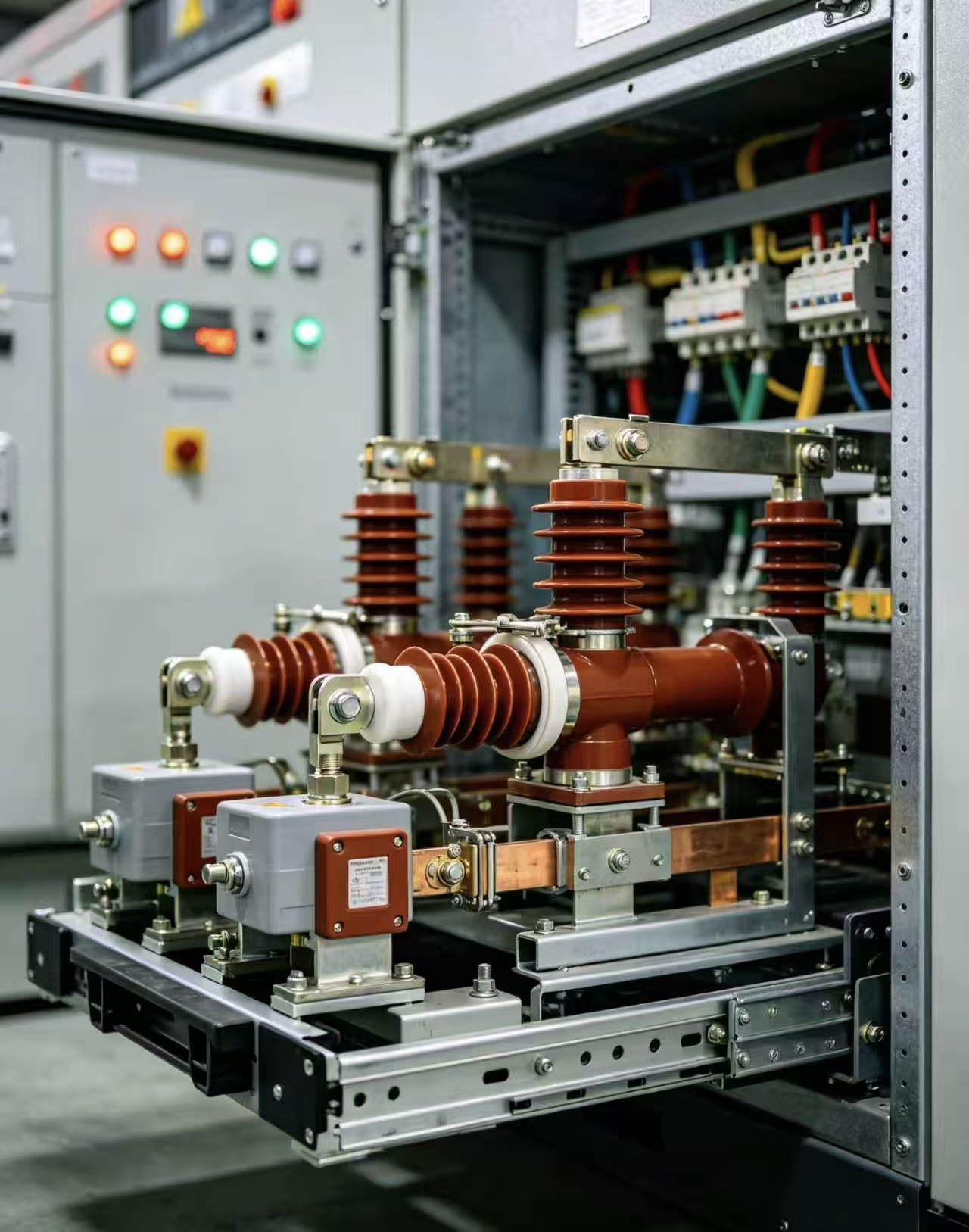
Distribution networks rely on dependable switching equipment to manage electrical flow, protect assets, and maintain service continuity across industrial and utility systems. A vacuum circuit breaker mounted directly on utility poles represents one of the most effective solutions for this critical function. Pole-mounted configurations offer significant advantages in space efficiency, installation flexibility, and operational reliability that make them ideal for modern distribution networks serving commercial, industrial, and rural customers.
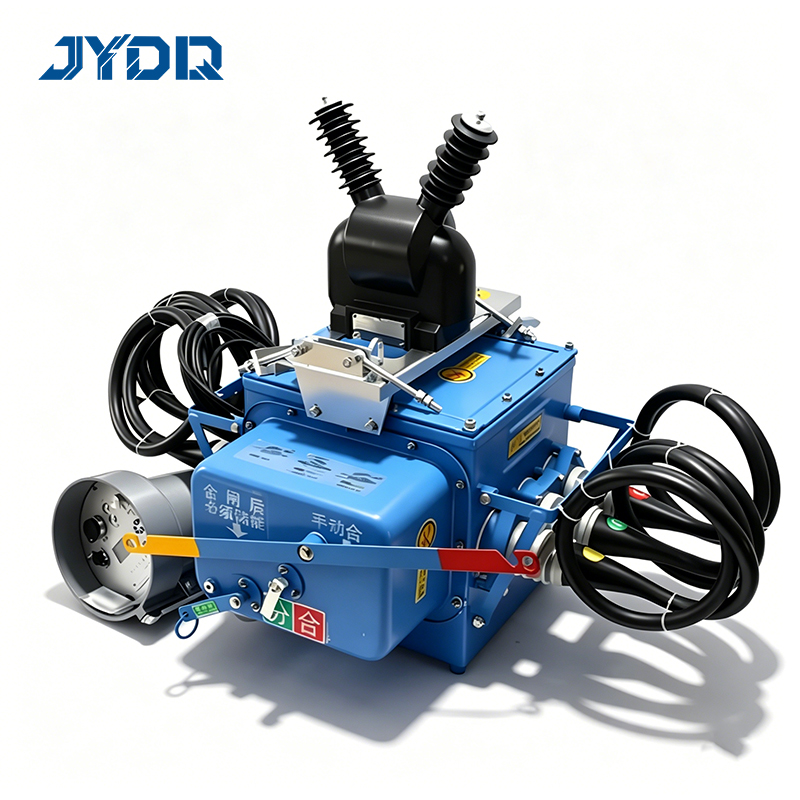
Outdoor VCB systems integrate seamlessly into distribution infrastructure by eliminating the need for separate enclosures or ground-mounted equipment. This pole-mounted approach reduces installation complexity, minimizes real estate requirements, and simplifies maintenance access in remote or congested areas. The compact footprint of outdoor VCB designs makes them particularly valuable for utilities managing network expansion or modernization projects where space constraints and cost efficiency directly influence project viability.
Core Design Principles of Pole-Mounted Vacuum Circuit Breaker Systems
Structural Integration and Environmental Resilience
Pole-mounted configurations demand robust design specifications that withstand environmental stresses unique to outdoor operation. The vacuum circuit breaker must function reliably across temperature extremes, humidity variations, and corrosive atmospheres without performance degradation. Manufacturers engineer pole-mounted units with advanced sealing systems, corrosion-resistant materials, and thermal management features that ensure consistent operation in harsh conditions. Weather-resistant enclosures protect internal contacts and operating mechanisms while maintaining the electrical integrity essential for distribution network reliability.
The distribution network benefits directly from this environmental resilience because interruption or failure of pole-mounted equipment cascades through connected circuits. Design standards for outdoor VCB installations incorporate predictive failure analysis, accelerated stress testing, and field validation protocols that minimize unexpected downtime. Pole-mounted designs also feature accessible components that enable preventive maintenance cycles aligned with utility operational schedules, reducing unplanned service calls and extending equipment lifespan.
Electrical Performance and Arc Suppression
Vacuum technology delivers superior arc suppression characteristics that directly enhance distribution network stability. When contacts separate during fault conditions, the vacuum environment prevents arc reignition and enables rapid extinction of electrical discharge. This inherent capability allows a vacuum circuit breaker to interrupt high fault currents cleanly without relying on arc-extinguishing gases or complex quenching systems. Pole-mounted vacuum circuit breaker implementations leverage these performance advantages to achieve faster fault clearing times that minimize voltage sags and protect sensitive customer equipment.
Distribution network operators depend on consistent, repeatable electrical performance to maintain system frequency and voltage stability. The vacuum circuit breaker's ability to interrupt rated fault currents with minimal thermal stress on contacts ensures reliable operation across thousands of switching cycles. Outdoor VCB technology in pole-mounted configurations delivers this performance without the maintenance demands associated with alternative interrupting media, making it cost-effective for long-term network management.
Integration Strategies Within Distribution Network Architectures
Feeder Protection and Sectionalizing Applications
Distribution networks employ pole-mounted switching equipment to create sectionalizing points that isolate faulted segments while maintaining service to unaffected areas. The vacuum circuit breaker mounted at strategic distribution nodes works in coordination with protective relays and current sensors to detect abnormal conditions and execute rapid isolation. This architecture enables utilities to implement selective coordination schemes that minimize outage scope and duration. Pole-mounted configurations support this operational strategy by providing compact, reliable interrupting capability at multiple network points without requiring expensive substation construction or significant right-of-way expansion.
Load transfer and restoration capabilities embedded in distribution network design depend fundamentally on reliable sectionalizing equipment. A pole-mounted vacuum circuit breaker enables operators to manually or automatically transfer loads between feeders during maintenance or emergency conditions. The outdoor VCB's fast response time and repeatable switching characteristics ensure that load transfer operations complete successfully without exceeding conductor or transformer thermal limits. This flexibility becomes increasingly valuable as utilities expand distributed energy resources and require dynamic network reconfiguration.
Voltage Regulation and Capacitor Bank Control
Modern distribution networks incorporate capacitor banks for voltage support, power factor correction, and reactive power management. Pole-mounted vacuum circuit breaker configurations provide reliable switching for capacitor bank connection and disconnection, managing inrush currents and maintaining voltage stability during transient conditions. The vacuum arc extinction mechanism handles capacitive switching duties effectively, avoiding the erosive stress that alternative technologies experience. Outdoor VCB installations support network voltage profiles that improve customer equipment compatibility and reduce distribution losses across the entire service territory.
Distribution network voltage optimization strategies require switching equipment capable of energizing and de-energizing capacitor equipment hundreds of times annually. The vacuum circuit breaker's superior performance in capacitive switching applications reduces maintenance intervals and extends service life compared to mechanical disconnects or older interrupting technologies. This operational advantage directly translates to lower total cost of ownership for pole-mounted installations managing reactive power in distribution networks.
Implementation Considerations and Performance Metrics
Specification and Coordination Requirements
Engineers designing distribution network upgrades must specify pole-mounted vacuum circuit breaker equipment that matches system voltage, fault current capacity, and operational switching requirements. Coordination with upstream protection devices, downstream load characteristics, and adjacent equipment determines appropriate equipment ratings and response settings. The outdoor VCB selection process requires detailed analysis of distribution network architecture, anticipated fault scenarios, and service restoration strategies. Manufacturers provide technical specifications covering interrupting capacity, operating speed, duty cycle ratings, and environmental performance that enable engineers to make informed equipment selections aligned with specific network requirements.
Distribution operators benefit from standardized specifications that simplify procurement, spare parts management, and technician training across the utility organization. Pole-mounted configurations built to established industry standards facilitate standardization, reducing engineering complexity and accelerating network modernization projects. The vacuum circuit breaker technology's maturity and widespread adoption ensure availability of compatible equipment from multiple manufacturers, supporting competitive procurement practices.
Installation and Maintenance Optimization
Pole-mounted installations reduce overall project costs compared to ground-mounted or substation-integrated alternatives because installation labor focuses on vertical mounting procedures rather than extensive site preparation. The outdoor VCB's compact design enables installation on existing utility poles with minimal structural modifications, allowing utilities to deploy protection and sectionalizing equipment rapidly. Maintenance procedures for pole-mounted vacuum circuit breaker systems emphasize contact condition assessment, mechanism operability verification, and sealing integrity inspection performed during scheduled access visits. This preventive approach extends equipment lifespan while identifying degradation early enough for planned replacement before functional failure occurs.
Distribution network reliability metrics directly correlate with planned maintenance execution rates on pole-mounted equipment. Technician accessibility and simplified maintenance procedures enable utilities to maintain comprehensive maintenance programs across dispersed distribution networks without excessive service truck travel. The vacuum circuit breaker technology's inherent durability reduces failure-driven emergency repairs that disrupt scheduled maintenance and inflate operational costs.
FAQ
What makes pole-mounted vacuum circuit breaker technology superior to traditional mechanical switches?
Vacuum circuit breaker technology eliminates arcing and provides rapid, consistent fault interruption without requiring external quenching media or complex maintenance procedures. Traditional mechanical switches rely on manual operation or load-break capabilities limited to normal operating currents, while a pole-mounted vacuum circuit breaker can interrupt the highest fault currents the distribution network may experience. The vacuum arc suppression environment ensures contact integrity across decades of service, whereas mechanical contacts degrade rapidly under fault current exposure. Outdoor VCB installations deliver superior reliability, faster response times, and lower maintenance demands that justify equipment investments for distribution network protection.
How does outdoor VCB performance sustain long-term distribution network reliability?
Outdoor VCB technology exhibits exceptional durability because vacuum suppresses arc reignition and eliminates the thermal and mechanical stresses that accelerate contact degradation in alternative technologies. A pole-mounted vacuum circuit breaker maintains consistent interrupting characteristics across thousands of switching cycles without measurable performance decline. This durability enables utilities to confidently implement protective coordination schemes that depend on repeatable equipment performance. The vacuum circuit breaker's environmental resilience ensures reliable operation across the temperature ranges and humidity conditions experienced in outdoor pole-mounted installations, supporting distribution network stability regardless of seasonal variations or climate extremes.
Can pole-mounted vacuum circuit breaker installations support modern distribution network modernization initiatives?
Pole-mounted configurations enable utilities to deploy advanced switching capabilities across distribution networks without requiring new substation construction or extensive site development. The outdoor VCB format supports integration with automated protection schemes, remote monitoring systems, and demand-response infrastructure that characterize modern distribution networks. As utilities incorporate distributed energy resources and implement active network management strategies, pole-mounted vacuum circuit breaker equipment provides the sectionalizing capability and fault protection foundation these advanced systems require. The technology's proven performance, competitive costs, and established supply chains position pole-mounted installations as essential infrastructure for distribution networks transitioning toward greater automation and distributed generation support.

 EN