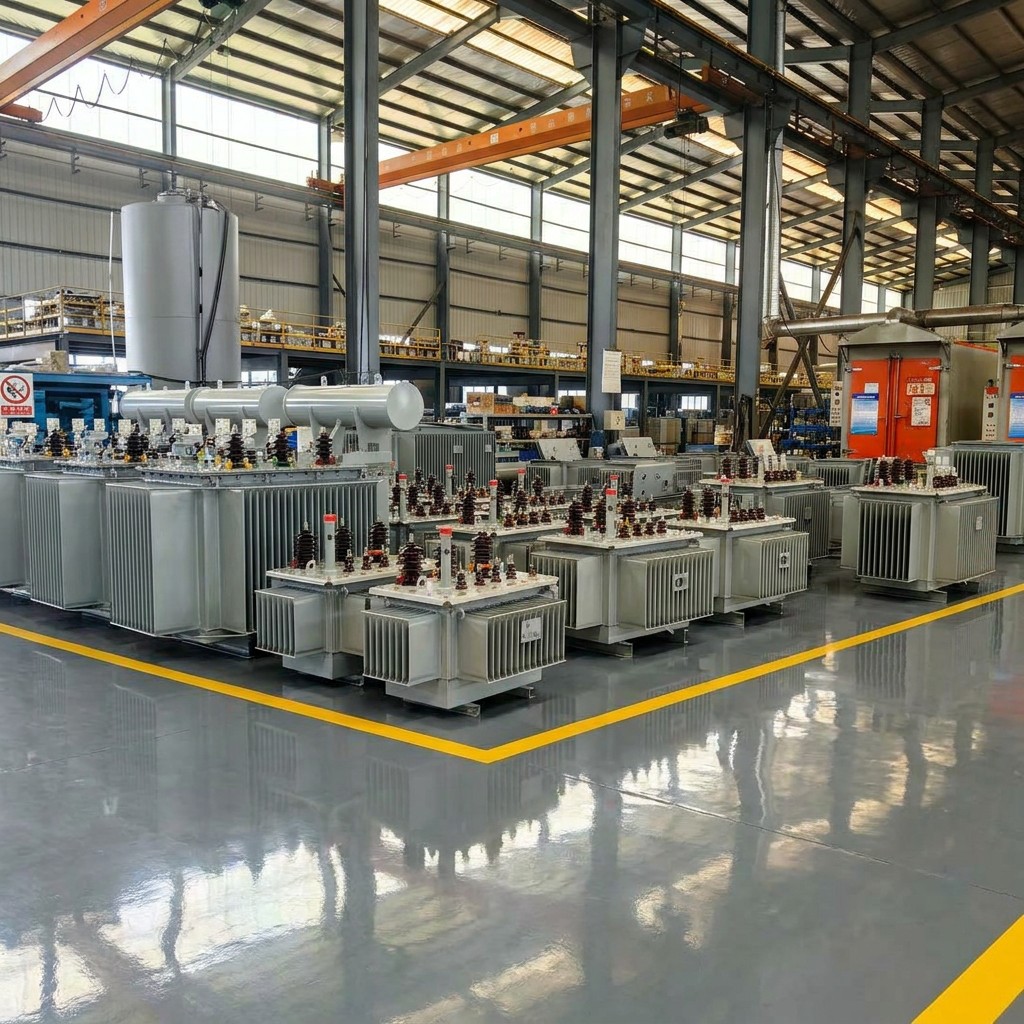
Planning spare parts for electrical switchgear is one of the most critical yet often overlooked aspects of industrial facility management. When switchgear fails unexpectedly, production downtime can cost thousands of dollars per hour, making proactive spare parts planning essential to operational continuity. Understanding which components to stock, how many units to maintain, and when to replenish inventory directly impacts your maintenance planning effectiveness and overall asset management strategy.
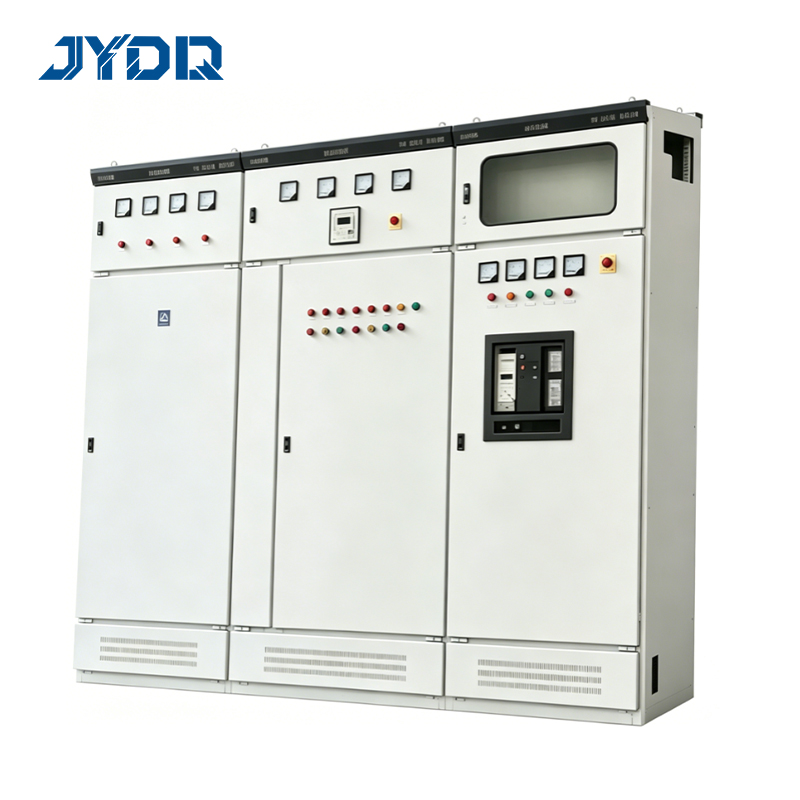
Electrical switchgear represents one of your facility's most valuable and complex assets. These systems control, protect, and isolate electrical circuits across your entire operation. The consequences of inadequate spare parts planning extend far beyond simple equipment replacement—they influence safety, regulatory compliance, and your company's competitive position. This guide walks you through a structured approach to spare parts management that aligns with best practices in asset management and maintenance planning.
Understanding Your Switchgear Components and Failure Modes
Identifying Critical Components
Electrical switchgear consists of multiple subsystems, each with distinct failure patterns and replacement needs. Circuit breakers, disconnect switches, surge protection devices, and control transformers all require separate spare parts strategies. Start by documenting every component within your electrical switchgear installations, including manufacturer specifications, part numbers, and supplier lead times. This inventory foundation becomes your baseline for effective maintenance planning and asset management decisions.
Critical components are those whose failure directly stops production or creates safety hazards. In most facilities, circuit breakers and voltage regulators fall into this category. Less critical components, such as indicator lights or mechanical latches, have longer acceptable downtime windows. This distinction shapes your spare parts stocking levels and procurement timelines. Classify each component by criticality to prioritize your spare parts budget and storage capacity.
Analyzing Failure Patterns and Lead Times
Historical failure data provides the foundation for rational spare parts planning. Review maintenance records to identify which components fail most frequently and which ones experience the longest supplier lead times. Electrical switchgear components from standard manufacturers typically require two to eight weeks for delivery, while custom or specialized parts may take three to six months. Long lead times justify higher spare parts inventory levels for critical items, even if their failure frequency is moderate.
Environmental factors significantly influence switchgear component lifespan. High humidity, temperature fluctuations, and industrial dust accelerate wear on contacts, insulation, and mechanical actuators. If your facility operates in harsh environmental conditions, increase your spare parts reserves for wear-prone components. Document failure root causes—whether they stem from manufacturing defects, environmental stress, or design limitations—to refine your asset management strategy and anticipate future needs.
Developing a Data-Driven Spare Parts Inventory Strategy
Calculating Optimal Stock Levels
Effective maintenance planning requires balancing inventory costs against the risk of stockouts. The economic order quantity model, combined with your facility's specific switchgear usage patterns, guides spare parts decisions. For critical components with long lead times, calculate minimum stock levels by multiplying the supplier lead time in days by the average daily failure rate, then add a safety buffer. For example, if a circuit breaker fails once every two years and the replacement lead time is six weeks, maintaining two units in spare parts inventory minimizes downtime risk.
Non-critical components with short lead times require smaller spare parts reserves. Establish maximum inventory levels to prevent capital waste and storage space inefficiency. Implement a two-bin system for routine spare parts: when the first bin empties, trigger a reorder. This straightforward maintenance planning method works well for components you use regularly and suppliers deliver quickly. Your asset management system should track minimum, maximum, and reorder quantities for every spare parts category in your electrical switchgear management program.
Categorizing Spare Parts by Priority and Cost
Segment your spare parts portfolio using an ABC classification system. Category A includes high-cost, critical-function components like switchgear breakers and control modules. Category B covers moderate-cost items with moderate impact, such as relay coils and terminal blocks. Category C contains low-cost, readily available consumables like fuses and indicator elements. This tiered approach focuses your maintenance planning resources on the items that deliver the greatest asset management value. Allocate approximately 80 percent of your spare parts budget to Category A items, which typically represent only 20 percent of total part numbers but drive 80 percent of operational risk.
Cost analysis within each category prevents over-investment in low-impact spare parts while ensuring adequate reserves for critical items. Some components justify higher inventory levels simply because they cost very little—storing extra fuses or contact blocks requires minimal capital and storage space. Conversely, expensive components like switchgear power modules may justify just-in-time ordering strategies backed by priority supplier agreements. Let cost data inform your maintenance planning decisions at the component level.
Implementing Effective Spare Parts Management Systems
Digital Asset Management and Tracking
Modern asset management platforms streamline spare parts planning by automatically tracking inventory levels, supplier lead times, and historical usage patterns. Integrate your maintenance planning software with your spare parts database to generate automated reorder alerts when stock falls below calculated minimums. These systems create a historical record that reveals seasonal usage trends, component reliability improvements, and maintenance planning effectiveness over time. Digital tracking eliminates the guesswork from electrical switchgear spare parts decisions.
Bar code systems and RFID technology further enhance spare parts management accuracy. Each stored component receives a unique identifier linked to its part number, manufacturer data, and purchase date. When technicians withdraw spare parts for installation, the system updates inventory quantities in real time. This visibility prevents duplicate orders and stock obsolescence. Your asset management team can immediately identify which spare parts are aging and may require rotation or preventive testing before use.
Supplier Relationships and Procurement Strategy
Establishing preferred supplier relationships directly impacts your maintenance planning success. Negotiate priority allocation agreements with key manufacturers of your electrical switchgear components, ensuring faster delivery during emergencies. Request expedited shipping options at standard rates for specific critical spare parts. Some suppliers offer consignment arrangements where they maintain inventory at your facility and bill you only when parts are actually used—this approach transfers storage costs and obsolescence risk to the supplier while guaranteeing spare parts availability.
Diversify your supplier base for truly critical components to mitigate supply chain disruptions. If a single manufacturer represents your sole source for critical switchgear breakers, consider qualifying alternative suppliers even if their components cost slightly more. This redundancy protects your asset management strategy against supplier bankruptcies, quality issues, or production interruptions. Include spare parts availability and delivery reliability in your supplier scoring when selecting vendors for your electrical switchgear maintenance planning program.
FAQ
How often should we conduct spare parts reviews for our electrical switchgear?
Conduct formal spare parts reviews at least annually as part of your maintenance planning and asset management cycle. However, monitor inventory levels continuously through your digital tracking system and adjust reorder quantities based on actual usage trends. If your facility experiences significant production changes, equipment upgrades, or supply chain disruptions, schedule ad hoc reviews to adjust spare parts quantities accordingly. Switchgear systems that undergo recent maintenance or component replacements may require temporary inventory adjustments until consumption patterns stabilize.
What spare parts should always be kept in stock for electrical switchgear systems?
Non-negotiable spare parts for any electrical switchgear installation include circuit breakers matching your critical circuits, replacement coils for electromagnetic devices, and contact assemblies for your most-used switching elements. Additionally, maintain universal items like fuses, terminal blocks, surge protection cartridges, and mechanical actuator components. Your maintenance planning should also include spare parts for control systems—indicating lamps, selector switches, and pushbuttons. Review your specific switchgear configuration and maintenance history to identify the ten to fifteen most critical spare parts that justify permanent inventory slots in your asset management program.
How can we reduce spare parts costs without compromising electrical switchgear reliability?
Reducing spare parts costs requires sophistication in your maintenance planning approach. Eliminate duplicate part numbers by standardizing on common component designs across your facility's electrical switchgear installations. Implement preventive maintenance programs that extend component lifespan and reduce failure rates, thus lowering overall spare parts demand. Negotiate volume discounts on regularly consumed items and establish supplier partnerships that prioritize delivery speed, allowing you to carry smaller spare parts safety stocks. Consider refurbishment programs where failed components are returned to manufacturers for restoration, supporting your asset management sustainability while reducing new spare parts purchases over time.

 EN