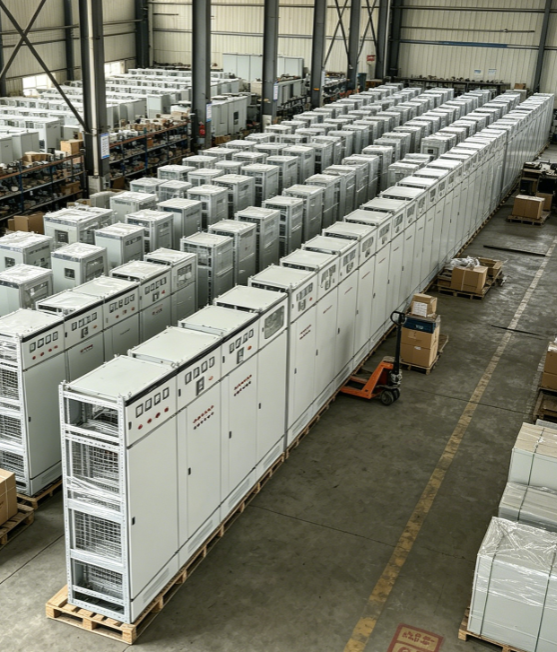
Solar energy projects demand reliable infrastructure to convert and distribute power efficiently from generation to end-users. One of the most critical decisions for solar project buyers is selecting the right substation equipment. A prefabricated box-type transformer serves as the backbone of this infrastructure, integrating multiple components into a single compact unit that simplifies installation, reduces costs, and ensures performance consistency across your solar project deployment.
Understanding the technical specifications, environmental suitability, and operational requirements of a prefabricated substation is essential before making a purchase commitment. The solar industry has evolved significantly, and modern power distribution solutions now prioritize modularity, scalability, and durability in ways that directly impact project timelines and long-term maintenance costs. Your selection process should balance technical performance with practical installation considerations and total cost of ownership.
Understanding Prefabricated Substations for Solar Power Distribution
Core Functions of a Prefabricated Box-Type Transformer Unit
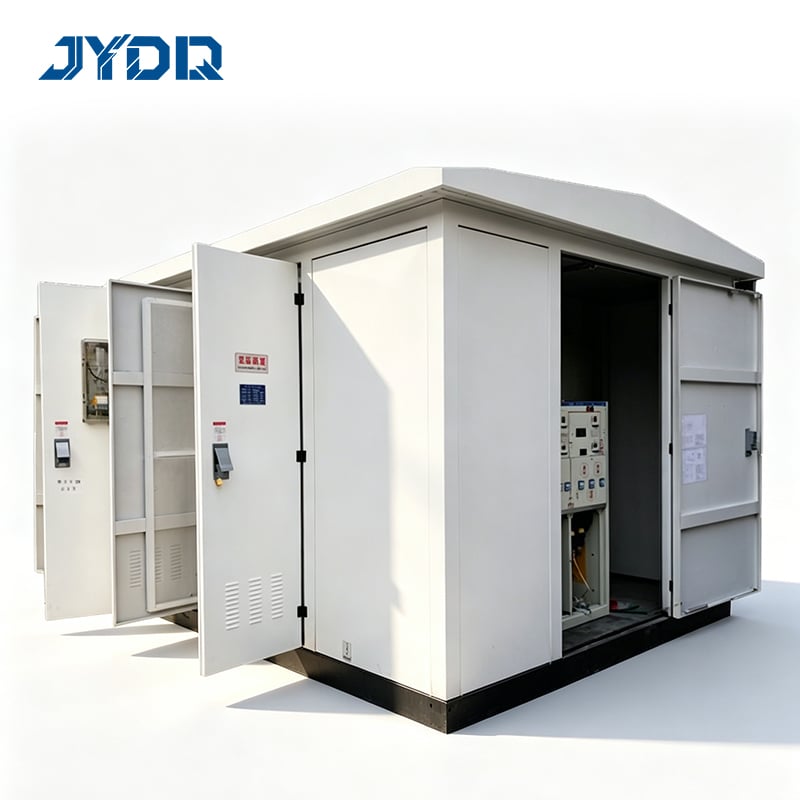
A prefabricated box-type transformer integrates voltage transformation, protection, metering, and disconnection capabilities into one sealed enclosure. Unlike traditional field-assembled substations, this prefabricated design combines the high-voltage transformer, switchgear, and monitoring systems within a weatherproof cabinet manufactured under controlled factory conditions. This integration eliminates on-site assembly errors and reduces commissioning time for your solar project significantly.
The substation receives high-voltage output from your solar generation array or collection point and steps it down to medium voltage for local grid integration. Inside the sealed unit, oil-immersed or dry-type transformers handle the voltage conversion, while integrated disconnects protect against faults and enable safe maintenance. Metering devices within the unit track energy flow, providing real-time data essential for monitoring solar project performance and billing accuracy in grid-connected scenarios.
Design Standards and Manufacturing Quality
Quality manufacturing standards directly affect the reliability and lifespan of your solar project infrastructure. Reputable prefabricated substation manufacturers design their units to meet international standards such as IEC and ANSI specifications, ensuring compatibility with grid codes and regulatory requirements across different regions. Factory testing confirms that all internal components function correctly before shipment, reducing field installation risks and accelerating your project timeline.
The sealed design of a prefabricated box-type transformer provides superior environmental protection compared to open substation designs. Moisture, dust, and temperature fluctuations are controlled within the enclosure, extending component lifespan and reducing maintenance interventions. When selecting a substation, verify that the manufacturer conducts factory acceptance testing and provides comprehensive documentation of all quality checks performed during production.
Critical Technical Factors for Solar Project Site Selection
Power Rating and Capacity Requirements
Determining the correct power rating for your solar project substation begins with accurately calculating peak generation capacity and expected load demand. A prefabricated box-type transformer must have sufficient capacity to handle your solar array output at maximum generation while maintaining acceptable efficiency. Undersizing creates bottlenecks that reduce power export capability, while oversizing increases upfront capital expense without delivering proportional benefits.
For solar projects, consider not only current generation capacity but also planned expansion phases. Selecting a substation rated for future capacity growth allows your power distribution infrastructure to scale with the solar project without complete replacement. Most manufacturers offer standardized ratings in increments such as 500 kVA, 1000 kVA, and 1500 kVA, making it practical to right-size equipment within your budget constraints.
Voltage Configuration and Grid Integration
The input and output voltage levels of your prefabricated substation must match both your solar generation equipment and the local utility grid specifications. Primary voltage ratings commonly range from 6 kV to 35 kV, while secondary voltages often step down to 480 V or similar levels for local distribution. Grid interconnection standards in your region define acceptable voltage tolerances and harmonic distortion limits, and your substation selection must comply with these parameters.
Utility-scale solar projects typically require medium-voltage substations that connect to the regional transmission network. Smaller distributed solar installations may use lower voltage configurations suited to commercial or industrial feeders. Engage with your local utility early in the planning phase to confirm voltage specifications and protective relay settings required for your solar project approval, as these technical details directly influence substation procurement.
Installation, Maintenance, and Operational Considerations
Site Preparation and Physical Installation
Although prefabricated substations arrive ready to install, your solar project site must still meet specific preparation requirements. A concrete foundation pad sized appropriately for the substation footprint prevents settling and ensures proper drainage around the unit. Access roads must accommodate transport vehicles, and clearance distances around the substation must comply with electrical safety codes for maintenance personnel safety.
The sealed design of a prefabricated box-type transformer simplifies installation compared to traditional field-built substations. Delivery, foundation work, electrical connections, and commissioning typically occur over two to four weeks depending on site readiness and utility approval processes. This compressed timeline accelerates your solar project revenue generation compared to conventional substation construction methods that require months of on-site assembly.
Cooling Systems and Environmental Performance
Transformer cooling directly impacts efficiency and lifespan in your solar project substation. Oil-immersed designs use natural or forced-air cooling, while dry-type transformers eliminate fire risk and environmental concerns. For solar installations in hot climates, forced-air cooled oil-immersed transformers maintain optimal operating temperatures even during peak generation periods. Dry-type units prove superior in confined spaces or environmentally sensitive solar project locations where oil containment presents regulatory challenges.
Your prefabricated box-type transformer must dissipate heat generated by core and copper losses during power distribution. Manufacturers design cooling systems to maintain winding temperatures within safe operating ranges throughout the expected lifespan of the unit. Verify cooling capacity specifications match your site's peak ambient temperature and altitude, as these factors significantly affect thermal performance in your solar project environment.
Maintenance Access and Service Requirements
Long-term reliability of your solar project depends on scheduled maintenance and rapid fault response capabilities. A well-designed prefabricated substation provides accessible connection points for voltage testing, oil sampling, and component replacement without dismantling the entire unit. Request detailed maintenance manuals and spare parts availability from manufacturers before finalizing your procurement, ensuring that future service calls do not create extended downtime for your solar power distribution.
Most prefabricated box-type transformers require minimal maintenance beyond annual inspections and oil analysis. Budget for routine maintenance personnel training and calibration of protective relay systems to maintain compliance with grid codes throughout your solar project operational life. Establishing maintenance contracts with qualified service providers during initial procurement ensures continuous support as your installation ages.
FAQ
What capacity prefabricated substation should I select for my solar project?
Your solar project substation capacity should match or slightly exceed peak generation output from your array, typically with 10-15% overhead for future expansion. Calculate total kilowatt capacity of all solar panels, account for inverter ratings, and consult utility requirements for your region. A qualified electrical engineer can analyze your specific site conditions and grid interconnection rules to recommend the optimal prefabricated box-type transformer size for reliable power distribution.
How long does installation of a prefabricated substation take at a solar project site?
A prefabricated box-type transformer typically requires two to four weeks from site arrival to operational commissioning, significantly faster than field-built substations requiring months of assembly. This accelerated timeline includes foundation preparation, electrical connections, protective relay configuration, and utility testing. Your solar project schedule benefits substantially from this rapid deployment compared to traditional substation construction methods.
What maintenance is required for a prefabricated substation during a solar project lifetime?
Annual oil analysis, visual inspections, and protective relay calibration comprise standard maintenance for most prefabricated substations serving solar projects. Oil-immersed transformers need periodic oil sampling to detect moisture and gas accumulation indicating potential internal problems. Dry-type units require less frequent intervention but still benefit from thermal imaging and connection tightness verification as part of your power distribution preventive maintenance program.

 EN