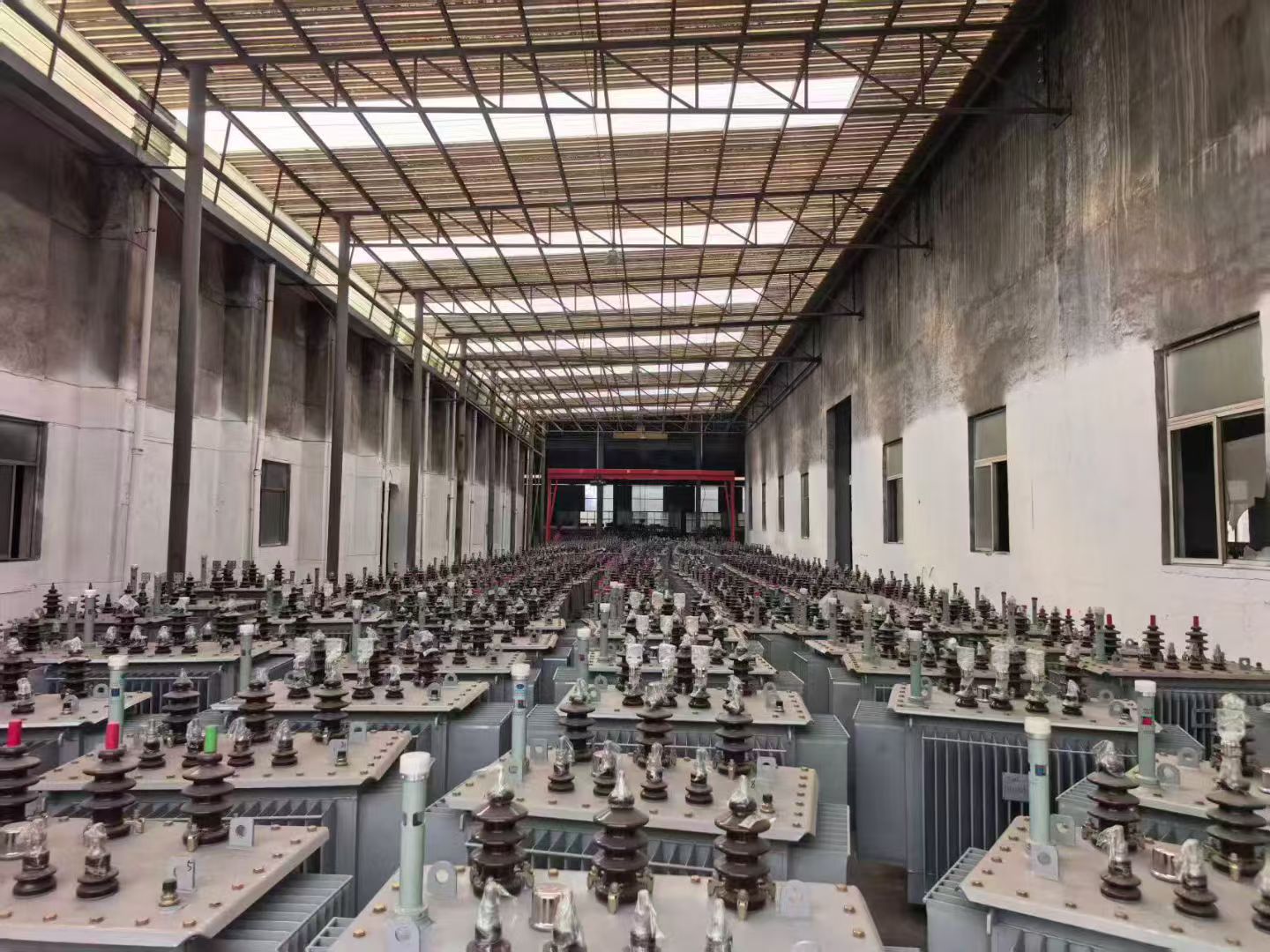
Maintenance access represents one of the most overlooked yet critically important design considerations in electrical infrastructure. When engineers and facility managers plan their electrical rooms and install high and low voltage switchgear, they often prioritize immediate operational needs over long-term accessibility. However, this short-sighted approach creates serious complications during equipment inspections, repairs, and replacements that can threaten both worker safety and system reliability.
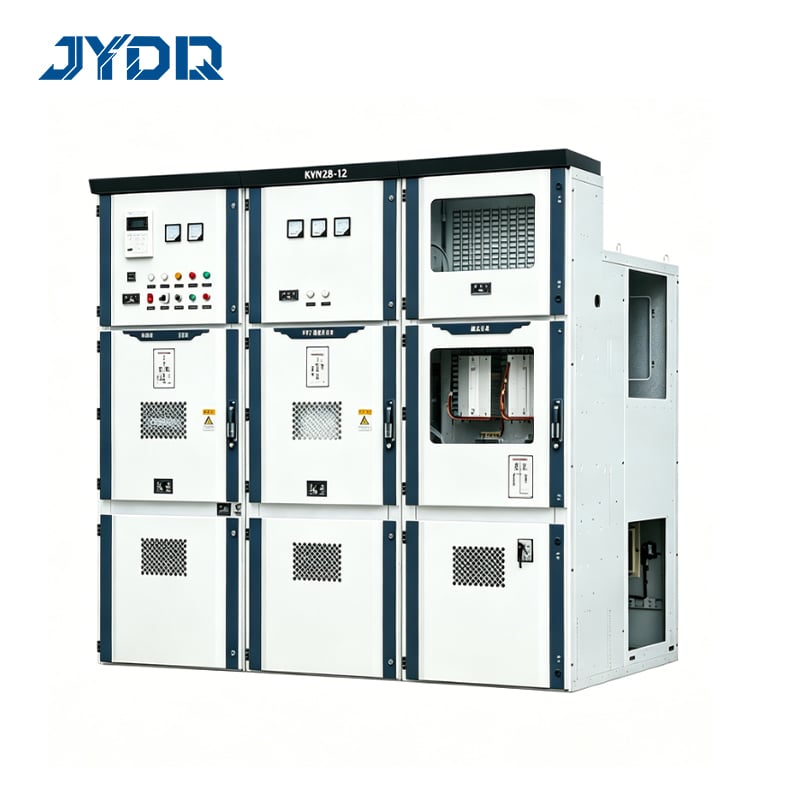
The fundamental truth behind switchgear layout design is straightforward: equipment that cannot be accessed safely cannot be maintained effectively. Whether you operate a data center, manufacturing plant, hospital, or commercial building, your electrical infrastructure depends entirely on planned maintenance schedules that require technicians to work directly with switchgear components. Poor maintenance access in your switchgear layout forces workers into hazardous positions, extends downtime, increases injury risk, and ultimately compromises the entire electrical room's functionality.
Understanding Maintenance Access in Switchgear Design
The Core Purpose of Accessibility in Electrical Rooms
Maintenance access serves several interconnected purposes within any electrical room. First, it enables routine inspections where technicians examine contacts, lubrication points, mechanical linkages, and thermal conditions. Second, it facilitates preventive maintenance activities such as cleaning, tightening connections, and replacing wear items before failures occur. Third, it supports emergency repairs when faults develop unexpectedly. Without adequate maintenance access in your switchgear layout, technicians must work in cramped positions, remove adjacent equipment, or worse, bypass safety procedures entirely.
The electrical room environment compounds these challenges because space is typically limited and equipment is densely packed. When high and low voltage switchgear units are positioned too close together, with insufficient clearance around them, maintenance tasks that should take minutes stretch into hours. Workers cannot position themselves properly to see what they are doing, cannot use standard tools effectively, and cannot follow proper safety protocols. This creates liability exposure for facilities and significantly increases incident probability.
Industry Standards and Legal Requirements
Electrical codes and standards across jurisdictions explicitly mandate maintenance access requirements for switchgear installations. The National Electrical Code (NEC), International Electrical Code (IEC), and IEEE standards all specify minimum working distances and clearance requirements. These standards exist not as suggestions but as legally enforceable requirements that protect workers and ensure operational compliance. When your switchgear layout violates these standards, your facility becomes non-compliant, creating legal liability and potentially voiding insurance coverage.
Failure to provide adequate maintenance access constitutes a violation that regulatory inspectors will identify during routine audits. Beyond compliance, these standards reflect real-world experience with electrical hazards and worker safety. They represent lessons learned from incidents, injuries, and failures. Therefore, treating maintenance access as a design priority rather than an afterthought aligns both legal requirements and practical safety wisdom into a unified approach for your electrical room.
Practical Impact on Operations and Safety
Reducing Downtime Through Accessible Design
When maintenance access is inadequate in your switchgear layout, response times to any electrical problem extend dramatically. A technician attempting to diagnose a fault in tightly packed high and low voltage switchgear must first remove blocking equipment, set up temporary access routes, and position themselves in uncomfortable angles. What should require thirty minutes now requires three hours. During this extended timeline, your electrical system is either offline or operating under manual bypass conditions, both scenarios carrying risk.
Proper switchgear layout design with intentional maintenance access pathways allows technicians to reach critical components quickly. This translates directly into reduced downtime, lower emergency response costs, and fewer workarounds that compromise safety. For facilities where electrical system availability directly impacts revenue generation or critical services like hospitals, the economic value of faster maintenance responses easily justifies the upfront investment in proper electrical room design and spacing.
Preventing Safety Incidents Through Proper Positioning
Electrical work inherently involves hazards including arc flash, electrocution, burns, and mechanical injuries. Proper maintenance access ensures workers can maintain safe distances from energized components and can use personal protective equipment effectively. When your switchgear layout forces technicians into compromised positions, they cannot maintain proper stance, cannot position their bodies to minimize arc flash exposure, and cannot see what they are working on clearly.
A technician working on high and low voltage switchgear while crouching in a tight space or reaching overhead cannot defend themselves effectively if an incident occurs. Their emergency response options are limited, rescue by colleagues becomes more difficult, and exposure time to hazards increases. By contrast, adequate maintenance access allows workers to stand comfortably, maintain proper body positioning, use tools effectively, and maintain situational awareness throughout the maintenance activity.
Strategic Planning for Effective Switchgear Layout
Key Design Considerations for Electrical Rooms
Creating an effective switchgear layout requires understanding that electrical room is not simply a space to fill with equipment. It is a workspace where trained technicians must perform critical tasks safely and efficiently. This perspective shift transforms how engineers approach the design. Instead of arranging high and low voltage switchgear based purely on available space or connection proximity, designers should prioritize maintenance access as a primary design criterion.
Effective switchgear layout design incorporates front access space where technicians can work on the primary controls and displays, side clearances for cable connections and ventilation access, rear clearance for thermal management and emergency shutdown procedures, and clearly marked service routes within the electrical room. The layout should also consider the service frequency for each equipment type, positioning components that require frequent maintenance in the most accessible locations.
Future-Proofing Your Electrical Infrastructure
An electrical room designed today must serve effectively for fifteen to twenty-five years or more. During that lifespan, maintenance requirements will evolve, equipment may be replaced, and new systems may be added. A switchgear layout that provides generous maintenance access accommodates these future needs more gracefully than a tightly constrained design. When you plan for maintenance access generously during initial design, you create flexibility that protects your investment and reduces costly retrofitting later.
Additionally, adequate maintenance access supports the entire lifecycle of your high and low voltage switchgear equipment. Modern switchgear is designed for preventive maintenance schedules that extend equipment life and prevent unexpected failures. These maintenance activities can only be performed effectively when maintenance access is not compromised. By investing in proper switchgear layout design upfront, you enable the maintenance practices that maximize equipment lifespan and reliability.
FAQ
What specific clearance distances does electrical code require for maintenance access?
Electrical codes typically specify minimum working distances that vary based on voltage level and equipment type. For high and low voltage switchgear, the National Electrical Code generally requires at least three feet of clearance in front of electrical equipment for operation and maintenance. However, specific requirements depend on your local jurisdiction, voltage classification, and arc flash hazard assessment. Always consult the applicable electrical code for your region and work with a qualified electrical engineer during switchgear layout planning to ensure compliance.
How does poor maintenance access impact emergency response procedures?
When maintenance access is inadequate in your electrical room, emergency response becomes compromised. If an electrical fault, fire, or other emergency occurs, technicians may struggle to locate and operate emergency disconnects quickly. Similarly, if immediate equipment replacement is necessary, poor switchgear layout prevents rapid access to the failed components. Adequate maintenance access ensures that emergency procedures can be executed quickly and safely, which is essential for protecting both personnel and facility assets during critical incidents.
Can maintenance access requirements be compromised in small electrical rooms?
Space constraints are real in many facilities, but maintenance access requirements should never be compromised for space savings. Instead, small electrical rooms require more strategic high and low voltage switchgear layout planning, such as vertical stacking of equipment, modular switchgear design, or creative use of access corridors. The electrical code requirements exist regardless of room size, and violations in small spaces create even greater safety risks because workers have fewer options for positioning themselves safely while performing maintenance tasks.

 EN