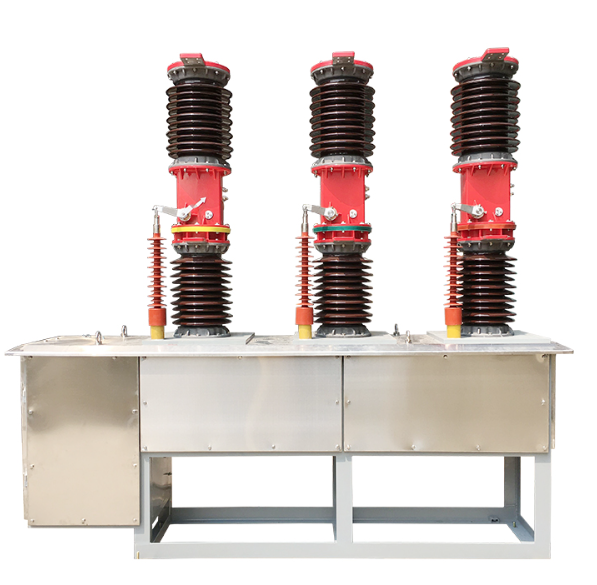
Selecting the right oil immersed transformer for a substation is a critical decision that directly impacts power distribution reliability, operational efficiency, and long-term cost performance. Substations serve as essential infrastructure points where voltage levels are transformed to match network requirements, and the choice of transformer technology determines how well these facilities meet demand, handle fault conditions, and maintain service continuity.
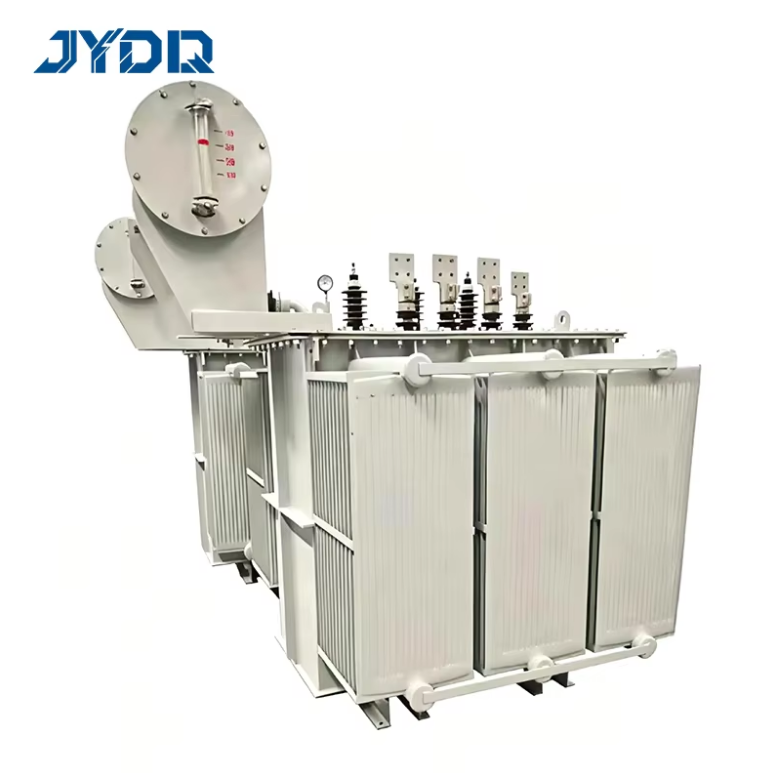
An oil immersed transformer represents the most widely deployed power transformer type in industrial and utility-scale substation applications worldwide. These units use mineral oil as both a cooling and insulating medium, enabling them to handle large power capacities while maintaining thermal stability under sustained load conditions. Understanding the technical and operational factors that guide transformer selection helps engineers and facility managers make informed decisions aligned with substation objectives, regulatory compliance, and budget constraints.
Understanding Power Transformer Fundamentals
Core Technology and Operating Principles
An oil immersed transformer functions by immersing its core and windings in mineral oil that circulates through cooling pathways. This design enables the transformer to dissipate heat efficiently while providing robust electrical insulation between high-voltage and low-voltage components. The oil serves dual purposes: it prevents oxidation of internal components and maintains dielectric strength, which is essential for withstanding voltage stress during normal operation and fault events. Power transformer designs for substations are engineered to operate continuously at rated capacity, supporting the broader electrical grid's stability and resilience.
Substation Integration Considerations
Substation applications demand power transformers that can interface seamlessly with protection systems, monitoring equipment, and existing infrastructure. An oil immersed transformer must accommodate incoming primary voltages and deliver appropriate secondary voltages matched to downstream distribution networks. The physical footprint, weight, and foundation requirements of the transformer influence site selection and civil works planning. Substations also require transformers equipped with load tap changers and comprehensive instrumentation to support voltage regulation, overcurrent protection, and real-time fault detection across the electrical network.
Key Selection Criteria for Substation Applications
Power Capacity and Load Requirements
Determining the appropriate power transformer capacity is fundamental to substation design. Engineers must analyze peak demand forecasts, seasonal load variations, and future growth projections to establish transformer rating requirements. An oversized oil immersed transformer increases capital cost and operational losses, while an undersized unit risks overloading during peak demand periods and shortens equipment lifespan. Selection guidelines recommend choosing a power transformer rated at 75 to 85 percent of predicted peak load under normal conditions, ensuring adequate thermal headroom while maintaining efficiency margins. This approach balances cost-effectiveness with reliability across the substation's operational lifetime.
Voltage Class and Impedance Characteristics
Substation transformers operate across defined voltage classes ranging from distribution levels below 35 kV to extra-high-voltage applications above 230 kV. The selection of voltage class depends on the substation's role within the transmission and distribution hierarchy. Impedance characteristics of the power transformer influence fault current levels and system stability during transient events. An oil immersed transformer's impedance must align with utility protection coordination practices and network fault calculations. Higher impedance reduces fault current magnitude but may increase voltage drop during heavy loading, requiring careful assessment during the selection process to balance protection sensitivity and voltage regulation objectives.
Cooling Method and Environmental Conditions
Oil immersed transformers employ various cooling strategies including natural oil circulation, forced oil circulation, and combinations with forced air cooling. Selection depends on the substation location, ambient temperature range, and available maintenance infrastructure. In harsh climates or areas with limited water availability, forced air cooling systems offer flexibility without requiring water resources. Substation designers must evaluate cooling capacity against the transformer's full nameplate rating and consider seasonal performance variations. Environmental factors such as altitude, pollution levels, and temperature extremes all influence cooling method selection and overall transformer reliability in field conditions.
Technical Specifications and Compliance Requirements
Standards and Regulatory Alignment
Power transformer selection must comply with international standards including IEC 60076 series and regional regulatory frameworks that govern substation equipment. These standards specify construction requirements, performance testing protocols, and safety margins for oil immersed transformer designs. An oil immersed transformer destined for substation service undergoes factory acceptance testing to verify insulation integrity, impedance accuracy, and thermal performance before shipment. Compliance verification ensures the transformer meets load tap changer specifications, protection coordination requirements, and grid interconnection standards mandated by system operators. Selecting transformers from manufacturers with established quality management and third-party certification reduces commissioning delays and ensures long-term operational consistency.
Protection and Monitoring Systems
Modern substations require transformers equipped with comprehensive protection instrumentation including temperature sensors, pressure relief devices, and dissolved gas monitoring systems. These integrated features enable predictive maintenance strategies by detecting incipient faults before they escalate into catastrophic failures. An oil immersed transformer's protection architecture must interface with substation automation platforms and supervisory control systems. Selection criteria should include the availability of remote monitoring capabilities, historical data logging, and integration with utility SCADA systems. Advanced protection features increase initial cost but deliver substantial value through reduced outage duration, improved asset lifespan prediction, and optimized maintenance scheduling.
Practical Implementation Strategies for Substation Projects
Site Assessment and Infrastructure Planning
Before finalizing power transformer selection, detailed site surveys establish foundation load capacity, ventilation requirements, and spatial constraints that influence equipment specifications. An oil immersed transformer's weight and dimensions must accommodate existing infrastructure or require civil modifications. Site assessment protocols evaluate access routes for equipment delivery, installation space for cooling systems, and clearance for regular maintenance activities. Environmental factors including drainage requirements for transformer oil containment and proximity to sensitive installations affect site suitability. Comprehensive planning during the selection phase minimizes construction delays and ensures the chosen transformer fits the physical and operational context of the substation.
Lifecycle Cost Analysis and Performance Evaluation
Effective substation transformer selection balances initial procurement cost against operational expenses spanning the equipment's 30 to 40 year service life. An oil immersed transformer with higher efficiency ratings reduces annual energy losses and delivers lower total cost of ownership despite higher upfront investment. Performance evaluation considers maintenance frequency, oil sampling intervals, and replacement part availability. Power transformer manufacturers provide loss guarantee warranties and efficiency documentation that enable direct comparison across candidate models. Lifecycle analysis frameworks help substation planners select transformers that maximize value through optimized thermal performance, extended maintenance intervals, and superior reliability metrics aligned with grid operational requirements.
FAQ
What factors determine whether an oil immersed transformer is suitable for a particular substation?
An oil immersed transformer's suitability depends on several interconnected factors including the substation's voltage class, required power capacity, ambient environmental conditions, and available cooling infrastructure. The transformer's impedance characteristics must align with utility protection coordination standards, and its physical dimensions must fit the designated installation site. Regulatory compliance, maintenance capability, and compatibility with existing automation systems also influence the selection decision. Comprehensive technical evaluation against these criteria ensures the chosen oil immersed transformer delivers reliable performance throughout its operational lifespan.
How does substation size influence transformer selection criteria?
Substation size directly influences power transformer rating requirements, cooling method selection, and protection system complexity. Large transmission substations typically require higher voltage classes and greater power capacity, necessitating sophisticated load tap changers and extensive monitoring systems. Smaller distribution substations may employ simpler transformer designs with basic protection features suited to lower fault levels and reduced operational complexity. Site constraints in urban substations often require compact oil immersed transformer designs with vertical oil coolers, while suburban installations may accommodate larger conventional arrangements. Size-appropriate selection optimizes capital investment and operational efficiency across diverse substation applications.
What role does transformer efficiency play in long-term substation economics?
Transformer efficiency represents a critical economic driver over the equipment's service lifespan, as even modest loss reductions translate into substantial energy savings across decades of continuous operation. An oil immersed transformer with superior core design and conductor optimization reduces heat generation, lower cooling costs, and minimizes annual electricity waste. Utilities implementing energy efficiency mandates prioritize power transformer selections offering demonstrable loss reductions against baseline designs. Lifecycle cost analysis quantifies efficiency benefits, often justifying higher initial purchase prices through cumulative operational savings. Long-term substation economics increasingly favor transformers engineered for maximum efficiency, particularly in regions where energy costs continue rising.

 EN