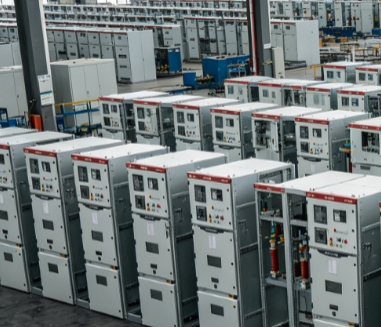
A low voltage distribution panel is the nerve center of electrical infrastructure in industrial and commercial facilities. Planning for future expansion within this critical component requires careful consideration of current load requirements, anticipated growth, and spatial constraints. Organizations that fail to account for expansion space during initial design often face costly retrofitting, downtime, and operational inefficiencies. Understanding how to strategically reserve capacity and optimize your panel layout from the outset ensures your facility can accommodate new circuits, equipment, and demand growth without complete system overhauls.
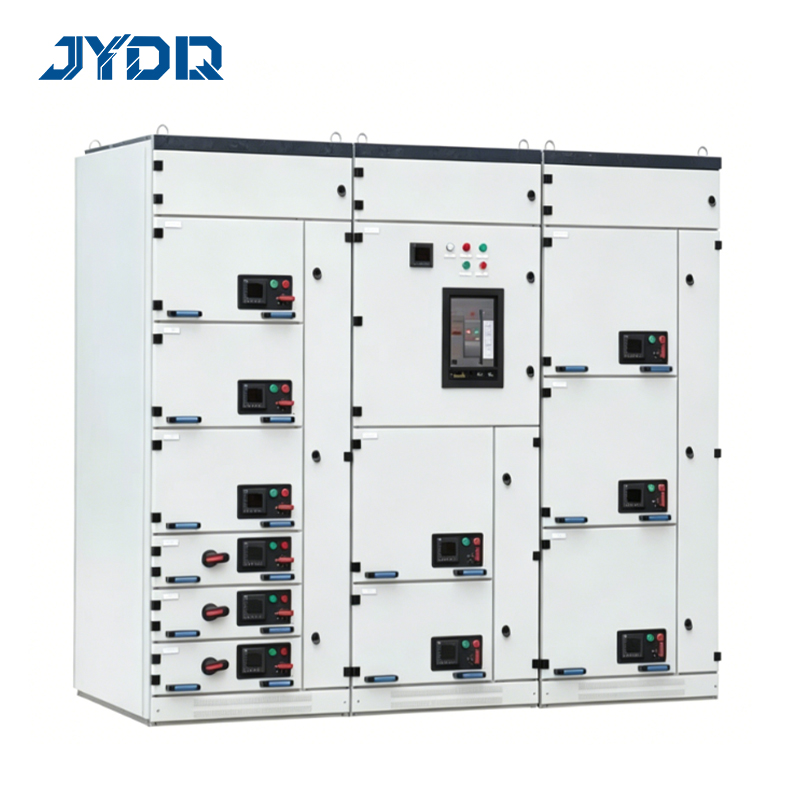
Effective panel layout design directly determines whether your electrical infrastructure can support business expansion without major capital investment or service interruptions. By proactively incorporating future expansion space into your panel design, you create flexibility that protects operational continuity and reduces long-term costs. This article explores proven strategies for planning expansion within your low voltage distribution panel, ensuring your facility remains responsive to changing business demands.
Understanding Your Current Capacity and Load Requirements
Assessing Existing Electrical Demands
Before planning expansion space in your low voltage distribution panel, you must first understand your current electrical load profile. This involves documenting every connected device, circuit, and system drawing power from the panel. Calculate both the steady-state demand and peak demand scenarios to establish realistic baselines. Include transformers, motor drives, lighting systems, HVAC equipment, data center infrastructure, and any specialized industrial machinery. This comprehensive audit reveals how much available capacity remains in your current panel and identifies which breaker slots, terminal blocks, and bus bars are actively used versus available.
Determining Growth Projections and Future Demand
Growth projections must inform your panel layout decisions and future expansion planning. Consider your facility's expansion timeline: are you planning for growth over the next three years, five years, or longer? Consult with operations, maintenance, and planning teams to understand anticipated equipment additions, process changes, and production increases. Factor in regulatory changes that might require new safety systems, energy monitoring equipment, or backup power infrastructure. Many organizations apply a standard 30 to 50 percent capacity buffer to their projected five-year demand growth. This conservative approach ensures your panel layout can accommodate unexpected demands without forcing emergency modifications that compromise reliability or safety.
Strategic Panel Layout for Future Expansion
Organizing Circuits by Function and Priority
A well-organized panel layout is fundamental to effective future expansion. Group circuits by functional area such as production, lighting, HVAC, safety systems, and backup power. This organization strategy allows you to reserve contiguous sections of your panel for each functional area. When future expansion needs emerge, you can modify or add circuits within their designated zones without disrupting unrelated systems. Prioritize critical circuits toward the top and more stable loads toward the bottom. This hierarchical approach simplifies troubleshooting, reduces downtime during modifications, and makes capacity planning more intuitive. Your electrical team can quickly identify available slots for new circuits without extensive analysis.
Reserving Slots and Bus Bar Capacity
One of the most practical approaches to ensuring future expansion space involves deliberately leaving breaker slots empty during initial installation. Industry best practice recommends reserving 20 to 40 percent of available breaker positions for future use, depending on your growth projections and facility type. These reserved slots should be distributed throughout your panel layout rather than concentrated in one area. Additionally, verify that your panel bus bars have sufficient amperage capacity to support future expansion without upgrading the entire panel. Consult your panel specifications to understand whether your bus bars can handle projected load increases. Selecting a panel with higher amperage-rated bus bars than your current needs often costs less than future panel replacement and provides the flexibility necessary for long-term capacity planning.
Implementing Expansion-Ready Design Practices
Choosing Modular and Scalable Panel Solutions
Modern low voltage distribution panel designs increasingly emphasize modularity, which directly supports future expansion strategies. Modular systems allow you to add circuit modules, power distribution blocks, or monitoring equipment without replacing the entire panel. When selecting a panel or planning upgrades, prioritize systems that support add-on modules and expandable configurations. Some advanced panels feature plug-and-play circuit blocks that can be installed in minutes, minimizing installation time and operational disruption. Scalable panel solutions also often include provisions for monitoring systems, harmonic filters, or surge protection devices that can be retrofitted as needs evolve. This forward-thinking approach to panel layout ensures your infrastructure investments remain relevant as your facility grows.
Documentation and Future-Proofing Strategies
Comprehensive documentation is essential for executing successful future expansion within your low voltage distribution panel. Create detailed as-built drawings showing each circuit's purpose, amperage rating, and connected load. Maintain a live inventory of available breaker slots, reserved capacity, and future expansion zones within your panel layout. Label all circuits clearly and legibly so future technicians can quickly understand the panel configuration. Document your capacity planning assumptions, growth projections, and design margins so future decisions can build on the original logic. Proper documentation reduces errors during expansion work and accelerates approval and installation timelines. Forward-thinking organizations also photograph their panels regularly and maintain digital records accessible to authorized personnel, enabling rapid assessment of available expansion space during capacity planning discussions.
FAQ
What percentage of panel capacity should I reserve for future expansion?
Industry standards recommend reserving 20 to 40 percent of available breaker slots for future expansion, though the exact percentage depends on your facility's growth trajectory and business plans. Organizations expecting rapid expansion within three to five years typically reserve closer to 40 percent, while stable facilities might reserve 20 percent. Additionally, ensure your panel bus bars have capacity headroom beyond your current amperage needs. A conservative approach protects against costly panel replacement and operational disruptions when new circuits must be added.
How does panel layout affect future expansion costs?
Well-planned panel layout dramatically reduces future expansion costs by eliminating the need for complete panel replacement or emergency modifications. Strategic organization by functional area and deliberate reservation of capacity slots allow new circuits to be added quickly and affordably. Poor initial panel layout, by contrast, often forces costly retrofitting, extended downtime, and potential safety compromises when expansion becomes necessary. Investing in thoughtful panel layout and capacity planning during initial installation typically costs 15 to 30 percent less than addressing expansion needs reactively.
Should I upgrade my entire low voltage distribution panel to support future growth?
Upgrading your entire panel is rarely necessary if you planned expansion space effectively during initial installation. Most facilities can accommodate five to seven years of moderate growth by utilizing reserved breaker slots and ensuring adequate bus bar capacity. However, if your projected demand growth significantly exceeds your panel's bus bar rating or if you have minimal available slot capacity, a phased upgrade strategy may be more cost-effective than incremental modifications. Consult with your electrical engineer to compare costs: adding circuits to existing reserved capacity versus upgrading to a larger panel with greater future expansion capability.

 EN