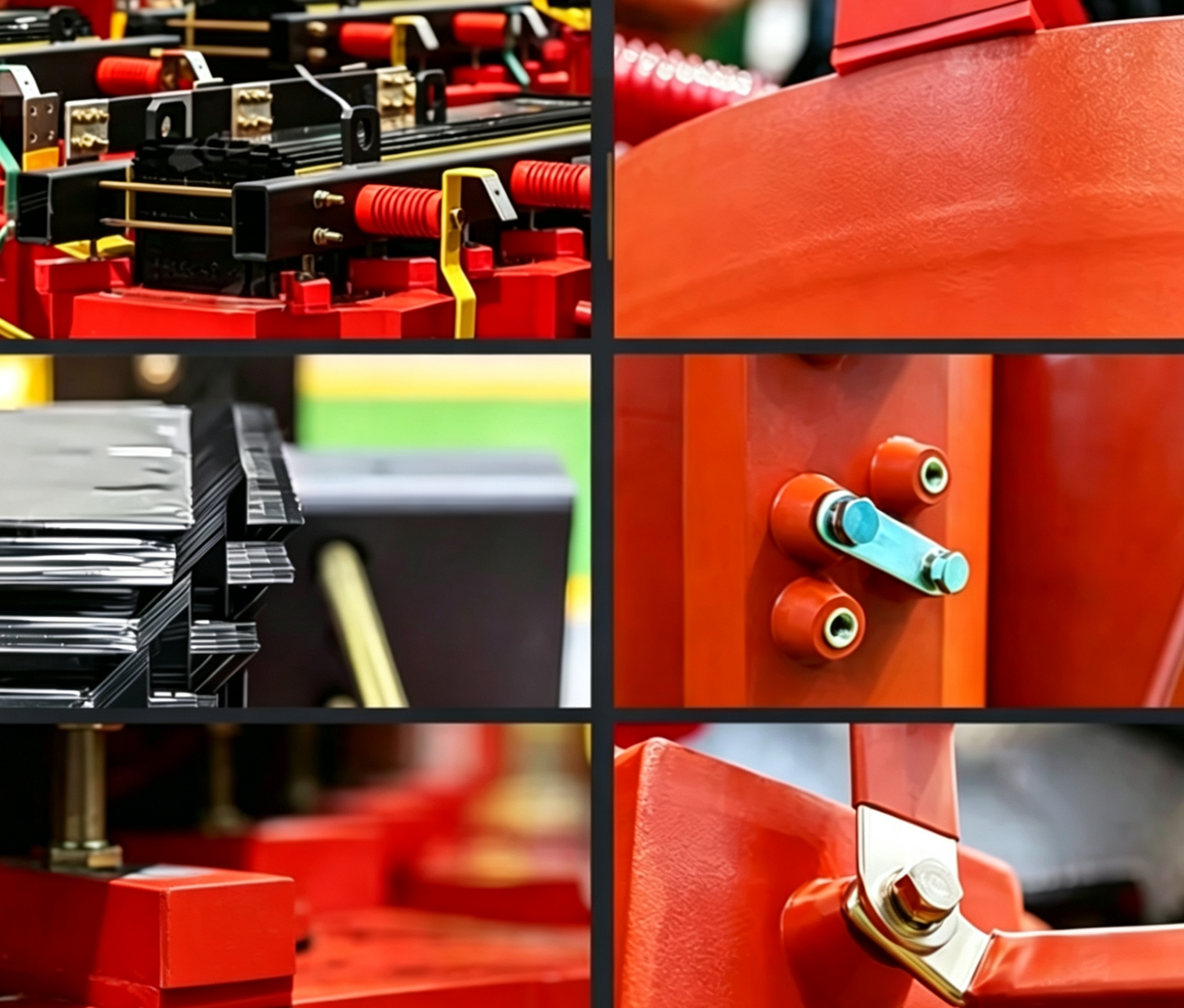
When purchasing a Dry-Type Transformer, understanding the factory tests and quality control procedures that validate equipment performance is critical for making an informed investment decision. Industrial buyers often focus on price and delivery timelines, but overlooking factory test protocols can lead to operational failures, safety risks, and unexpected maintenance costs. The factory tests conducted during manufacturing and before shipment form the foundation of equipment reliability and long-term performance in demanding industrial environments.
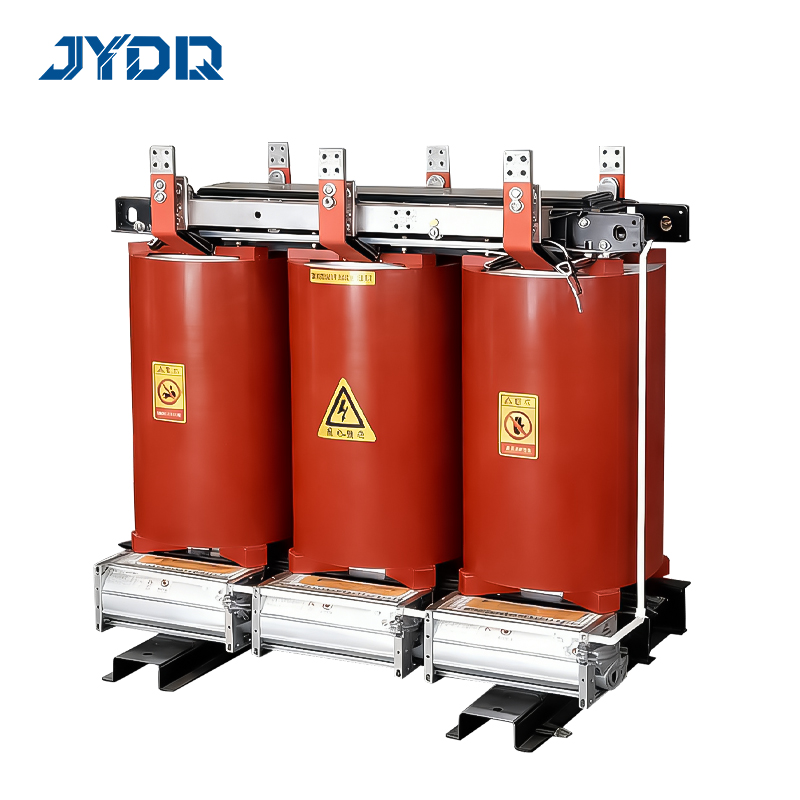
Reviewing transformer testing documentation before purchase protects your facility from defective equipment and ensures that the unit meets applicable industry standards and your operational specifications. A comprehensive test report demonstrates that the manufacturer has conducted rigorous quality control assessments and validated critical performance parameters. This article guides buyers through the essential factory tests, quality control measures, and test report elements that should be evaluated during the purchasing process.
Understanding Core Transformer Testing Requirements
Purpose of Factory Tests in Quality Assurance
Factory tests serve as the primary verification mechanism for transformer testing and quality control procedures implemented by manufacturers. These tests validate that the equipment meets design specifications, regulatory requirements, and the buyer's technical expectations before leaving the production facility. A robust quality control program ensures that each unit undergoes standardized testing protocols, with results documented in a comprehensive test report that provides full transparency into equipment performance metrics.
The transformer testing process typically includes both routine tests and type tests. Routine tests are performed on every unit manufactured, while type tests are conducted on representative samples to verify design compliance and performance under extreme conditions. Quality control teams use these test protocols to identify manufacturing defects, material inconsistencies, and design vulnerabilities before units ship to end-users, significantly reducing the risk of field failures and unplanned downtime.
Industry Standards Governing Dry-Type Transformer Testing
Dry-Type Transformer manufacturers must adhere to international standards such as IEC 61558 and IEEE C57.12.01, which specify mandatory transformer testing procedures and acceptance criteria. These standards define test voltage levels, temperature rise limits, insulation resistance thresholds, and other critical parameters that the test report must document. Understanding which standards apply to your specific application helps you evaluate whether the manufacturer's test protocols align with your facility's requirements and regulatory environment.
National and regional standards may impose additional quality control requirements beyond international guidelines. For example, some industrial sectors require enhanced environmental testing or specialized performance verification under fault conditions. Buyers should review the test report and verify that testing procedures comply with all applicable standards relevant to your installation location and industry sector.
Essential Factory Tests That Buyers Must Evaluate
Electrical Performance and Safety Tests
The test report should document comprehensive electrical testing that validates transformer testing outcomes across the full operating range. Insulation resistance testing measures the integrity of insulation materials and identifies potential breakdown risks before equipment installation. High-voltage withstand tests simulate fault conditions and confirm that insulation systems maintain structural integrity under stress, ensuring safety and preventing catastrophic failures in the field.
Winding resistance measurement and turn-ratio testing verify that coil construction meets design specifications and that no manufacturing defects compromised winding integrity. These transformer testing procedures detect issues such as shorted turns, incorrect winding configurations, or connection errors that would compromise performance and efficiency. The quality control test report should include actual measured values compared against acceptable ranges, allowing you to verify that your specific unit meets all electrical performance criteria.
Thermal and Temperature Rise Testing
Temperature rise tests measure how effectively the Dry-Type Transformer cooling system dissipates heat during operation at rated load. This critical quality control assessment verifies that the unit operates within safe thermal limits and matches the manufacturer's published cooling ratings. The test report documents temperature measurements at multiple points including winding hot-spots, providing evidence that the transformer testing procedure validated thermal performance under realistic loading conditions.
Thermal performance directly impacts transformer longevity and reliability. Excessive temperature rise accelerates insulation aging and reduces equipment lifespan, while inadequate cooling can trigger protective shutdowns and operational disruptions. Buyers should review temperature rise data in the test report to confirm that the Dry-Type Transformer cooling design is suitable for your facility's ambient temperature conditions and intended load profile.
Noise Level and Mechanical Integrity Verification
Noise level measurements verify that vibration control and core construction meet acoustic specifications, particularly important for installations in noise-sensitive environments. The transformer testing procedure includes mechanical stress tests and vibration analysis that confirm structural integrity and proper assembly of core and coil components. A comprehensive test report documents these mechanical quality control measurements alongside electrical and thermal data, providing complete evidence of manufacturing excellence.
Mechanical inspection during factory testing identifies potential issues with core lamination, coil winding tension, and fastener security that could develop into problems during shipment or installation. Quality control teams perform visual inspections, pressure tests on enclosures, and verification of mounting pad integrity to ensure the Dry-Type Transformer arrives at your facility in perfect condition and ready for immediate commissioning.
Reviewing and Interpreting Test Reports for Purchasing Decisions
Key Elements in a Complete Test Report
A complete test report from the manufacturer documents transformer testing results, quality control procedures applied, and certification against applicable standards. The report should include a detailed equipment description with serial number, rating plate information, and manufacturing date, allowing traceability and correlation with your purchase order. Test results must include actual measured values, not just pass/fail statements, enabling you to assess performance margins and verify that the Dry-Type Transformer exceeds minimum requirements rather than merely meeting them.
The test report should clearly reference all transformer testing procedures performed, the standards under which testing occurred, and the acceptance criteria used for evaluation. Test data should include measurement dates, ambient conditions during testing, and identification of the quality control personnel or testing laboratory conducting the assessment. This level of documentation transparency demonstrates the manufacturer's commitment to rigorous quality control and provides confidence that the unit is suitable for your application.
Interpreting Performance Data and Acceptance Criteria
Understanding measurement uncertainty and test tolerances helps you properly interpret transformer testing data in the test report. Standard deviations in measurement and acceptable variance ranges are typically documented alongside measured values. Quality control acceptance criteria define minimum and maximum acceptable ranges for each test parameter, and your test report should clearly indicate whether results fall within these ranges with specific numerical data rather than vague compliance statements.
Compare the test report results against your facility's specific requirements and any contractual performance specifications included in your purchase agreement. If your application requires enhanced performance margins or specialized testing beyond standard quality control procedures, verify that these requirements are explicitly addressed in the test report documentation. Requesting clarification from the manufacturer regarding any ambiguous or missing test data is a prudent purchasing practice that prevents future disputes and ensures equipment suitability.
FAQ
What transformer testing standards should a manufacturer comply with for Dry-Type Transformer production?
Reputable manufacturers conduct transformer testing according to IEC 61558, IEEE C57.12.01, and additional regional standards applicable to your installation location. The test report should explicitly reference which standards guided the quality control procedures and testing protocols. Your facility's engineering team and regulatory authorities can clarify which specific standards apply to your industry sector and operating environment, ensuring that the manufacturer's testing procedures align with your requirements.
How should I verify that the test report reflects actual factory testing rather than generic documentation?
A legitimate test report includes specific measured values, dates, ambient conditions, and equipment serial numbers rather than generic templates or rounded figures. Quality control documentation should reference the specific testing equipment used, calibration status, and personnel conducting assessments. Request original test reports rather than copies, and verify that data correlates with your equipment's serial number and manufacturing batch to ensure the documentation applies to your specific unit.
What recourse do I have if field testing reveals that the equipment failed to meet specifications documented in the test report?
Most purchase agreements include warranties covering transformer testing compliance and equipment performance. Documented discrepancies between test report specifications and actual field performance constitute warranty violations entitling you to repair, replacement, or refund depending on your contract terms and applicable consumer protection regulations. Establishing a clear chain of evidence through commissioning tests and service records strengthens your position and supports warranty claims against the manufacturer.

 EN