Sulfur hexafluoride circuit breakers represent a critical technology in high-voltage electrical systems, and understanding the distinction between live tank and dead tank configurations is essential for engineers and facility managers. Both designs use SF6 gas as the insulating and arc-quenching medium, yet they differ fundamentally in how voltage potential is distributed within their structures. Selecting between a live tank and dead tank sulfur hexafluoride circuit breaker depends on application requirements, installation space, maintenance accessibility, and operational safety protocols. This guide explores the key differences and helps you make an informed decision for your infrastructure needs.
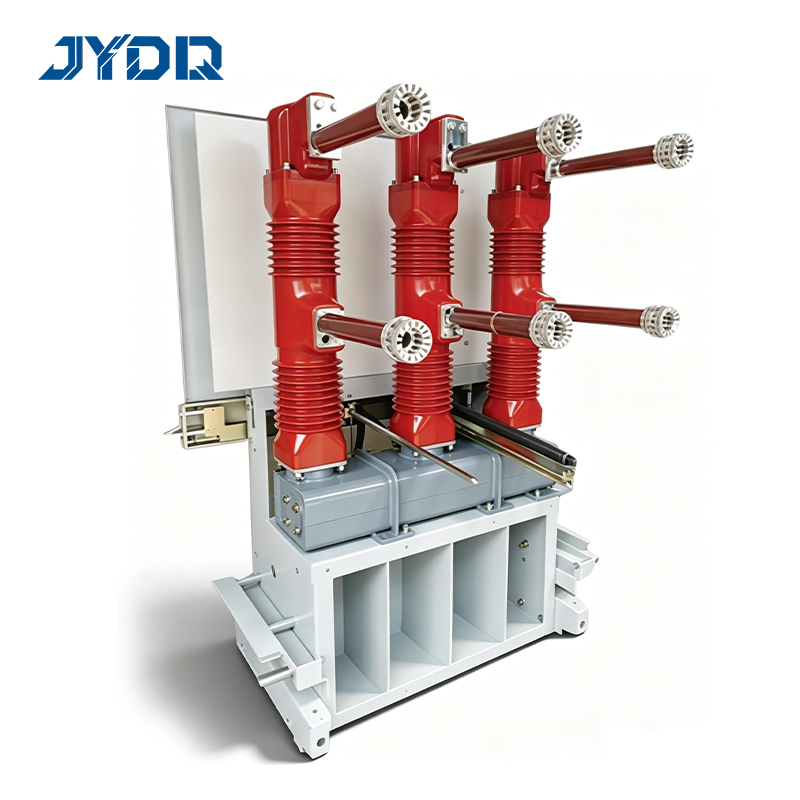
The primary distinction between live tank and dead tank designs lies in which components are energized during normal operation. In a live tank configuration, the operating mechanisms and control structures are positioned at high voltage potential, while in a dead tank setup, the tank itself remains at ground potential and only the internal contacts and arcing chamber carry voltage. This fundamental architectural difference influences maintenance procedures, grounding requirements, personnel safety considerations, and overall system design. Understanding these differences ensures proper installation, reliable operation, and compliance with industry safety standards.
Live Tank Design: Structure and Operation
Mechanical Configuration and Voltage Characteristics
A live tank SF6 breaker positions the entire tank structure at high voltage potential during operation. The operating mechanism, insulators, and support structure all sit at the circuit voltage level, requiring external grounding through porcelain or composite insulation. The live tank design typically features a single porcelain or composite insulator that supports the entire mechanism above ground level. This arrangement means that only the external grounding connections and the tank base establish the return path to system ground. The internal SF6 chamber functions as the primary insulating medium, allowing compact design and reduced physical footprint in substations with limited horizontal space.
Maintenance and Safety Considerations
Live tank sulfur hexafluoride circuit breakers require enhanced safety protocols during maintenance. Technicians must ensure complete de-energization and proper grounding before any work begins, as the entire assembly sits at high potential when the circuit is energized. Maintenance access to the top-mounted operating mechanism requires adequate approach space and safety equipment. The single-support-point design can simplify structural installation but demands careful consideration of mechanical loads and wind forces on tall assemblies. Personnel working near a live tank must maintain strict electrical safety distance and use appropriate personal protective equipment rated for the circuit voltage level.
Dead Tank Design: Structure and Operation
Mechanical Configuration and Grounding Advantages
A dead tank SF6 breaker maintains the outer tank structure at ground potential throughout normal operation. The high-voltage contacts, arcing chamber, and internal mechanisms are suspended inside the grounded metallic tank using porcelain or composite insulators. This design inherently provides a Faraday cage effect, offering superior electromagnetic shielding and grounding stability. The dead tank configuration allows technicians to work safely around the exterior of the unit without maintaining hazardous approach distances when the system is de-energized. The grounded tank provides a natural safety advantage, as workers can physically touch the external structure without electrical hazard once the circuit is isolated and properly verified as de-energized.
Installation, Maintenance, and Operational Benefits
Dead tank sulfur hexafluoride circuit breakers offer significant advantages in maintenance accessibility and operational safety. Because the tank remains at ground potential, inspection and routine maintenance procedures can proceed with reduced electrical hazard. The grounded external structure simplifies personnel safety protocols and reduces the complexity of approach distance calculations. Dead tank designs typically feature lower profiles and horizontal footprints, making them advantageous in applications with vertical space constraints. The internal suspension system allows for modular internal component replacement without requiring external structural modifications. SF6 gas monitoring and maintenance are often simplified in dead tank configurations because technicians can approach the unit safely from all sides without electrical safety restrictions.
Comparative Analysis: Selection Criteria and Application Context
Space Requirements and Installation Scenarios
Live tank breakers excel in applications where vertical clearance is available but horizontal space is constrained. The narrow physical footprint of a live tank configuration makes it ideal for compact urban substations or facilities with limited land area. Conversely, dead tank breakers provide lower heights and wider horizontal arrangements, suiting applications where vertical space is restricted but ground-level area permits expanded dimensions. When planning a new substation or replacing aging equipment, the available physical space often dictates whether a live tank or dead tank SF6 breaker better fits the layout. Environmental factors such as wind exposure, seismic zones, and foundation capacity also influence the structural suitability of each design.
Operational and Economic Considerations
Dead tank designs typically command lower initial procurement costs for equivalent voltage ratings compared to live tank configurations because of simpler manufacturing processes and grounding architecture. However, live tank breakers may offer faster installation timelines in space-limited settings and lower structural foundation costs due to reduced footprint. Maintenance expense and downtime considerations often favor dead tank designs because personnel can perform routine inspections and component servicing with fewer electrical safety protocols and reduced outage requirements. Lifecycle cost analysis should encompass procurement, installation, maintenance labor, expected service life, and eventual decommissioning and recycling. The choice between live tank and dead tank sulfur hexafluoride circuit breaker configurations should align with both short-term budget constraints and long-term operational efficiency objectives.
Environmental and Regulatory Factors
Modern environmental regulations increasingly restrict SF6 gas emissions due to its high global warming potential. Both live tank and dead tank designs must comply with leak detection, maintenance, and gas recovery protocols. Dead tank configurations generally offer superior gas containment because the grounded external structure provides an inherent secondary barrier. Live tank breakers require more rigorous external monitoring and containment measures to prevent gas releases during maintenance. Regulatory compliance timelines and environmental standards in your region may favor one design over the other. Consulting with regulatory agencies and environmental specialists ensures your selected sulfur hexafluoride circuit breaker design meets present and anticipated future requirements.
FAQ
What is the primary voltage safety difference between live tank and dead tank SF6 breaker designs?
The core difference lies in which components sit at high voltage potential. In a live tank configuration, the entire external structure and operating mechanism remain energized at circuit voltage, requiring strict approach distance protocols. In a dead tank design, the external tank is grounded while only internal contacts carry voltage, providing inherent personnel safety advantages when de-energized. This fundamental distinction shapes maintenance procedures, grounding requirements, and electrical safety protocols throughout the equipment lifecycle.
Can a live tank or dead tank SF6 breaker be retrofitted into an existing substation designed for the alternative design?
Retrofitting between designs is possible but requires significant structural and foundation modifications. A substation originally built for a dead tank unit would need substantial rework to accommodate a live tank breaker because of different footprint, height, and mechanical load distributions. Conversely, converting from a live tank to a dead tank installation demands new support structures and reconfigured electrical connections. Cost and engineering complexity often make equipment replacement or comprehensive substation redesign more practical than retrofitting between fundamentally different architectural approaches. Early consultation with engineering teams and manufacturers ensures retrofit feasibility before committing resources.
Which design—live tank or dead tank—requires more frequent SF6 gas maintenance?
Both sulfur hexafluoride circuit breaker designs require regular gas quality monitoring, purity testing, and occasional gas recovery during maintenance. Dead tank configurations generally simplify gas maintenance because personnel can safely access monitoring ports and service points with fewer electrical hazard restrictions. Live tank breakers often require more complex external monitoring apparatus and may limit technician mobility around the unit, potentially extending maintenance duration. Environmental regulations increasingly mandate SF6 recovery systems for both designs, with dead tank units offering marginally simpler implementation. Actual maintenance frequency depends more on equipment condition, operational stress cycles, and specific design specifications than on whether the breaker is a live tank or dead tank configuration.

 EN












