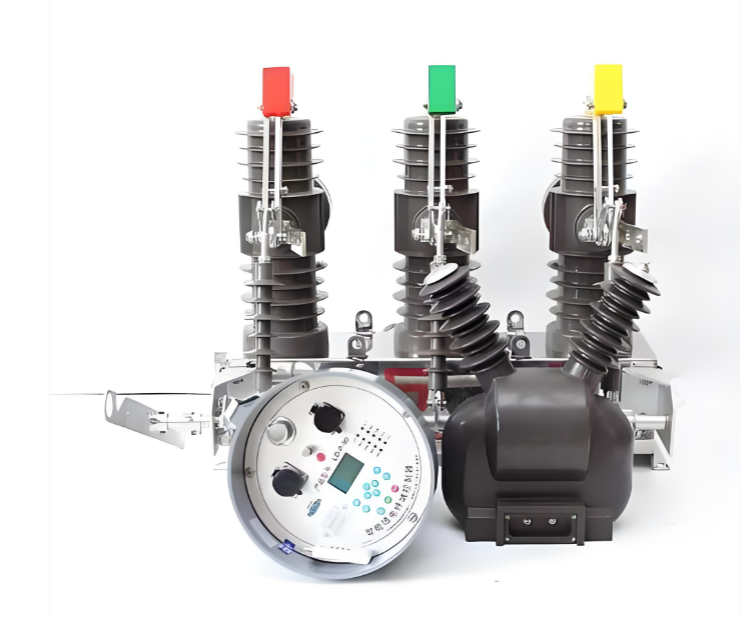
Vacuum circuit breakers have become the industry standard for applications requiring frequent operational cycles and exceptional reliability. Their ability to handle repeated switching duties without performance degradation makes them an essential component in modern electrical infrastructure. Unlike traditional air or oil circuit breakers, vacuum circuit breakers operate within an evacuated chamber, eliminating the wear associated with arc erosion and oxidation. This fundamental design difference creates a technical advantage that directly translates to extended service life and reduced maintenance requirements in high-cycle switching environments.
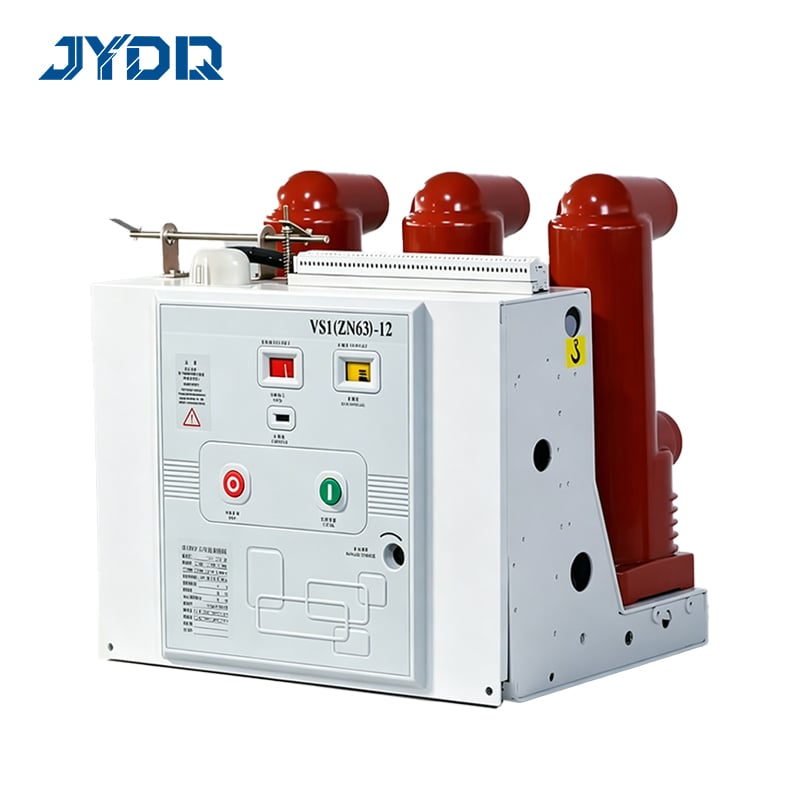
The mechanical endurance of VCB technology represents a significant advancement in electrical distribution systems. These devices can complete thousands of operational cycles while maintaining consistent electrical performance and structural integrity. Industrial facilities that depend on frequent load switching, power distribution management, or emergency response systems benefit substantially from the long-term reliability and predictable behavior that vacuum circuit breakers provide throughout their operational lifetime.
Superior Arc Suppression and Mechanical Endurance
How Vacuum Technology Reduces Arc Damage
The vacuum environment inside a VCB fundamentally changes how electrical arcs behave compared to conventional breakers. When contacts separate, an arc forms briefly before the vacuum space naturally extinguishes the electrical discharge. This rapid arc extinction prevents the prolonged contact erosion that degrades performance in air-gap or oil-immersed designs. The absence of oxygen eliminates oxidation processes that accelerate material degradation, allowing contact surfaces to maintain their dimensional accuracy and electrical properties through thousands of switching duty cycles. This mechanism directly supports the mechanical endurance required for repeated high-cycle operations.
Contact Material Innovation and Service Life
Modern vacuum circuit breakers employ advanced contact materials engineered specifically to resist erosion under repeated switching duty conditions. Copper-chromium and copper-tungsten alloys provide superior arc resistance while maintaining excellent electrical conductivity. These materials withstand millions of switching cycles with minimal contact wear, extending the intervals between maintenance procedures and reducing total cost of ownership. The predictable wear characteristics enable operators to plan maintenance schedules based on cycle counts rather than time intervals, optimizing resource allocation and minimizing unexpected downtime.
Mechanical Endurance Under Demanding Operating Conditions
Structural Design and Operating Mechanism Reliability
Vacuum circuit breakers feature robust mechanical frameworks specifically designed to sustain continuous operational cycling without structural fatigue or binding. The operating mechanism incorporates precisely engineered components that maintain accurate contact timing and force application across thousands of switching duty events. Each mechanical cycle subjects the VCB to specific stress patterns that the design inherently accommodates through material selection and structural geometry. Advanced damping systems absorb shock loads, protecting mechanical linkages and ensuring consistent performance from the first switching operation to the millionth. This mechanical endurance capability distinguishes vacuum circuit breakers from alternative switching technologies in high-cycle applications.
Minimizing Maintenance Requirements Through Design Durability
The sealed vacuum chamber design eliminates exposure to moisture, dust, and atmospheric contaminants that compromise mechanical and electrical performance in traditional breakers. Without degradation from environmental factors, vacuum circuit breakers maintain original specifications across extended operational periods. Mechanical seals integrate advanced elastomer materials that preserve vacuum integrity while accommodating normal operating stresses and temperature variations. Operators benefit from extended service intervals and reduced spare parts inventory requirements, directly lowering operational expenses while improving system reliability. The mechanical endurance built into VCB design fundamentally reduces the total cost of ownership compared to conventional switching equipment.
Industrial Application Scenarios and Performance Validation
High-Frequency Load Switching and Distribution Network Applications
Power distribution networks require switching equipment capable of handling frequent load adjustments, reconfiguration operations, and dynamic response to demand fluctuations. Vacuum circuit breakers excel in these switching duty environments because their mechanical endurance supports thousands of annual operations without performance degradation. Utility operators and industrial facility managers deploy VCBs throughout distribution systems to manage routine switching tasks and emergency response protocols. The reliability demonstrated by vacuum circuit breakers across decades of field service establishes them as the preferred technology for applications where operational continuity depends on predictable, repeatable switching performance. This proven track record justifies the initial investment in higher-quality switching equipment.
Specialized Industrial and Renewable Energy Integration
Renewable energy installations, particularly wind and solar facilities with distributed inverters and battery storage systems, generate switching duty cycles substantially higher than traditional fossil-fuel power plants. Vacuum circuit breakers provide the mechanical endurance and electrical reliability necessary to manage rapid fluctuations in power flow and frequent load transitions characteristic of renewable energy systems. VCB technology enables integration of energy storage, microgrids, and demand response systems that would overwhelm conventional circuit breaker designs. The superior performance of vacuum circuit breakers in these modern applications directly supports the grid modernization and decarbonization objectives driving infrastructure investment across developed nations. Operators selecting switching equipment for renewable energy projects increasingly recognize VCBs as the technically superior solution for demanding switching duty requirements.
FAQ
Why do vacuum circuit breakers offer superior mechanical endurance compared to oil or air circuit breakers?
Vacuum circuit breakers operate in an oxygen-free environment that prevents oxidation and arc erosion that degrades conventional breaker contacts. The rapid arc extinction within the vacuum chamber eliminates prolonged electrical stress on mechanical components. This combination of reduced arc damage and absence of corrosive atmospheric effects allows vacuum circuit breakers to complete millions of switching duty cycles with minimal wear, directly extending service life and reducing maintenance frequency compared to alternative technologies.
How does repeated switching duty impact the total cost of ownership for VCB installations?
Although vacuum circuit breakers typically cost more initially than conventional breakers, their superior mechanical endurance and reliability substantially reduce lifetime expenses. Extended maintenance intervals, reduced spare parts requirements, and minimized downtime lower operational costs significantly. Applications requiring frequent switching duty benefit most from this cost advantage because the higher cycle count justifies the initial capital investment through cumulative savings over the equipment lifecycle. Industrial operators analyzing total cost of ownership consistently find VCBs economically favorable for high-switching-duty applications.
Can vacuum circuit breakers handle emergency switching operations and routine load management simultaneously?
Yes, vacuum circuit breakers seamlessly manage both routine switching duty operations and emergency response scenarios without compromising performance. The mechanical endurance designed into VCB technology accommodates the stress patterns created by emergency fault interruptions alongside regular load switching. This dual-capability functionality makes vacuum circuit breakers ideal for power distribution systems that require reliable performance across the full spectrum of normal and emergency operating conditions throughout their service life.

 EN