Understanding oil immersed transformer cooling systems is essential for anyone responsible for selecting, installing, or maintaining electrical distribution equipment. The cooling mechanism in these transformers directly impacts operational efficiency, equipment lifespan, and overall system reliability. Buyers often focus on voltage ratings and capacity specifications while overlooking the critical role that cooling performance plays in real-world deployment scenarios.
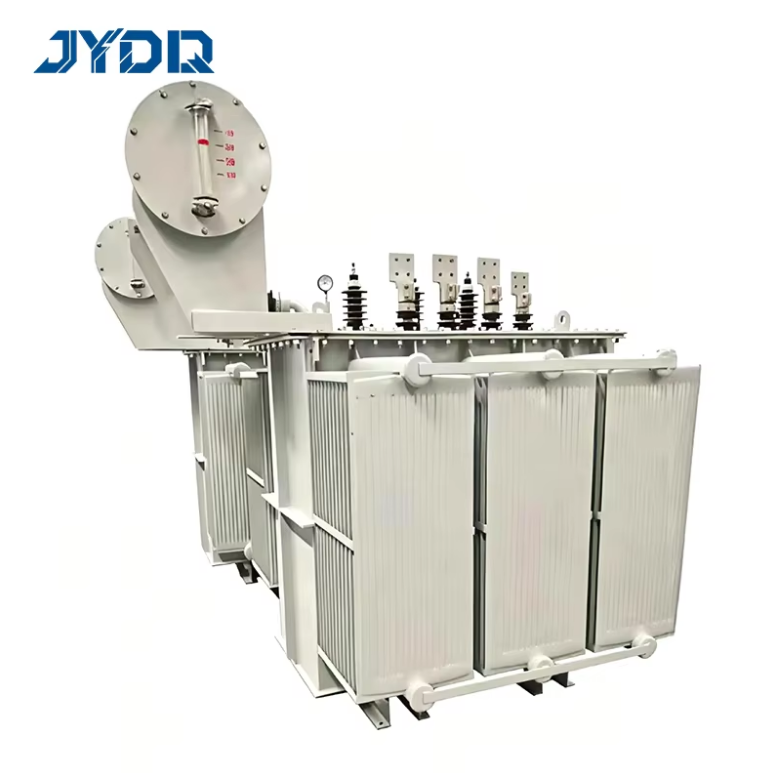
When electrical current flows through transformer windings, resistive losses generate substantial heat. Without effective transformer cooling and management of thermal performance, this heat accumulates and degrades insulation materials, potentially causing equipment failure. The insulating oil serves a dual purpose: it dissipates heat away from the core and windings while simultaneously providing electrical insulation between live components. This integration of thermal and electrical functions makes oil-based cooling systems particularly valuable in industrial and utility-scale applications.
How Transformer Cooling Systems Function
The Role of Insulating Oil in Heat Transfer
Insulating oil acts as the primary heat transfer medium in oil immersed transformer designs. When windings heat up during operation, the oil surrounding them absorbs thermal energy and circulates away from hot zones. Natural convection drives this movement—heated oil rises while cooler oil sinks, creating continuous circulation without mechanical pumps in passive cooling arrangements. This self-sustaining process keeps winding temperatures within safe operating ranges and directly supports the transformer cooling effectiveness.
The thermal conductivity of quality insulating oil allows rapid energy transfer from the transformer core to the tank walls and coolers. Industrial-grade oils maintain consistent thermal properties across normal operating temperatures, ensuring reliable thermal performance year-round. Buyers should verify that the oil specified meets relevant standards such as IEC 61346 or ASTM D3487 to guarantee adequate heat dissipation capability. Regular oil condition monitoring helps maintain these thermal properties throughout the equipment's service life.
Active versus Passive Cooling Approaches
Passive cooling relies entirely on natural convection and radiation through the tank surface. This approach works well for transformers operating at moderate loads in temperate climates. Active cooling systems employ fans and pumps to accelerate oil circulation, enabling higher load ratings and improved thermal performance in demanding environments. Buyers deploying equipment in hot climates, in confined spaces, or under sustained heavy loading should prioritize active cooling configurations to maintain transformer cooling efficiency.
The choice between passive and active cooling affects both initial cost and long-term reliability. Passive systems require lower maintenance and eliminate pump and fan failure risks, making them attractive for remote or unattended installations. Active systems, while more complex, allow higher power ratings in the same physical footprint and respond dynamically to changing thermal loads. Understanding your specific operational environment helps determine which cooling approach optimizes thermal performance and lifecycle economics.
Thermal Performance Considerations for Equipment Selection
Temperature Ratings and Design Margins
Every oil immersed transformer has a rated ambient temperature and a maximum winding temperature specification, typically 55°C or 65°C design margin above ambient. This thermal performance standard ensures the insulation maintains its dielectric strength throughout the equipment's expected 30 to 40 year service life. Buyers must align ambient temperature assumptions in technical specifications with actual site conditions to avoid undersizing cooling capacity. Exceeding design temperatures by even 5-10°C can reduce insulation life by half, creating hidden operational risk.
Load cycling and seasonal temperature variation further complicate thermal management. Equipment specified for continuous full-load operation may experience inadequate transformer cooling during peak summer conditions combined with high electrical loading. Buyers should request thermal modeling or performance simulations that account for worst-case combined scenarios. This analysis prevents surprises during commissioning and protects against premature equipment aging.
Installation Environment and Heat Dissipation
Site location dramatically influences actual transformer cooling effectiveness. Indoor installations in poorly ventilated spaces or outdoor locations in direct sunlight reduce the temperature differential between the oil and surrounding air, limiting passive heat rejection. Equipment installed near other heat sources or in confined substations experiences further thermal stress. Buyers should work with installation engineers to optimize air circulation around cooling surfaces and ensure the equipment location supports the specified thermal performance.
Vegetation or obstructions blocking radiator surfaces or fan intakes severely compromise transformer cooling. Regular maintenance planning should include cleaning schedules and vegetation management. For equipment deployed in dusty industrial areas or near coastal salt spray environments, cooler designs with sealed or upgraded filtration protect thermal performance over time. These site-specific factors often make the difference between adequately cooled transformers and thermal runaway scenarios.
Maintenance and Insulating Oil Management
Oil Condition Monitoring as a Cooling Indicator
Insulating oil condition directly reflects overall thermal performance and equipment health. Moisture contamination degrades thermal conductivity and electrical insulation strength, reducing both cooling efficiency and safety margins. Oxidation and acid formation indicate aging processes that accumulate from thermal stress, signaling whether the transformer cooling system maintains adequate thermal performance. Buyers should establish baseline oil analysis reports at commissioning and conduct periodic testing to track trends.
Dissolved gas analysis (DGA) reveals overheating events even when external temperature readings remain normal. Elevated concentrations of methane, ethylene, or other fault gases indicate localized hotspots within the transformer core or windings. Early detection through oil testing allows corrective action before equipment failure. This predictive maintenance approach protects against sudden loss of service and expensive emergency replacements.
Oil Quality Standards and Replacement Cycles
Fresh insulating oil meeting appropriate purity and viscosity standards supports optimal transformer cooling and thermal performance. Over time, contamination from moisture, particle ingress, and thermal degradation reduces oil effectiveness. Buyers should understand their equipment's oil replacement intervals, typically 20-40 years depending on operating conditions and maintenance practices. Strategic oil regeneration or replacement extends equipment life and maintains thermal efficiency throughout the service period.
Quality specifications for insulating oil include breakdown voltage, moisture content, and viscosity measurements. Regular oil sampling establishes baseline conditions and tracks degradation rates. Prompt action when test results indicate moisture levels above 50 ppm or acid numbers rising above specification limits prevents cascading failures. Proactive oil management represents one of the highest-return maintenance investments for oil immersed transformer owners.
FAQ
What happens if oil immersed transformer cooling fails?
Equipment overheating occurs rapidly when cooling systems malfunction. Winding insulation degrades quickly at elevated temperatures, leading to shorts and catastrophic failure within hours or days. Loss of power supply cascades through connected distribution networks, affecting industrial operations and potentially causing significant financial losses. Preventive monitoring and maintenance ensure cooling systems function reliably throughout the transformer's service life.
How often should transformer cooling systems be inspected?
Routine visual inspections should occur quarterly or biannually to verify fans operate, coolers remain clear of debris, and no oil leaks compromise insulating oil levels. Oil analysis testing typically follows annual or biennial schedules for critical equipment. Thermal imaging surveys during peak loading seasons reveal any hotspot formation or cooler blockage. This layered inspection approach catches problems before they impact thermal performance or equipment reliability.
Can insulating oil be recycled or regenerated to restore thermal performance?
Yes, specialized oil regeneration processes remove contaminants, reduce moisture, and restore electrical and thermal properties to near-new conditions. Regeneration costs significantly less than purchasing entirely new oil and disposal of aged material. Most industrial facilities employ oil regeneration every 10-15 years as part of comprehensive transformer maintenance strategies. Regenerated oil maintains thermal performance comparable to virgin oil while supporting circular economy principles and environmental sustainability goals.

 EN