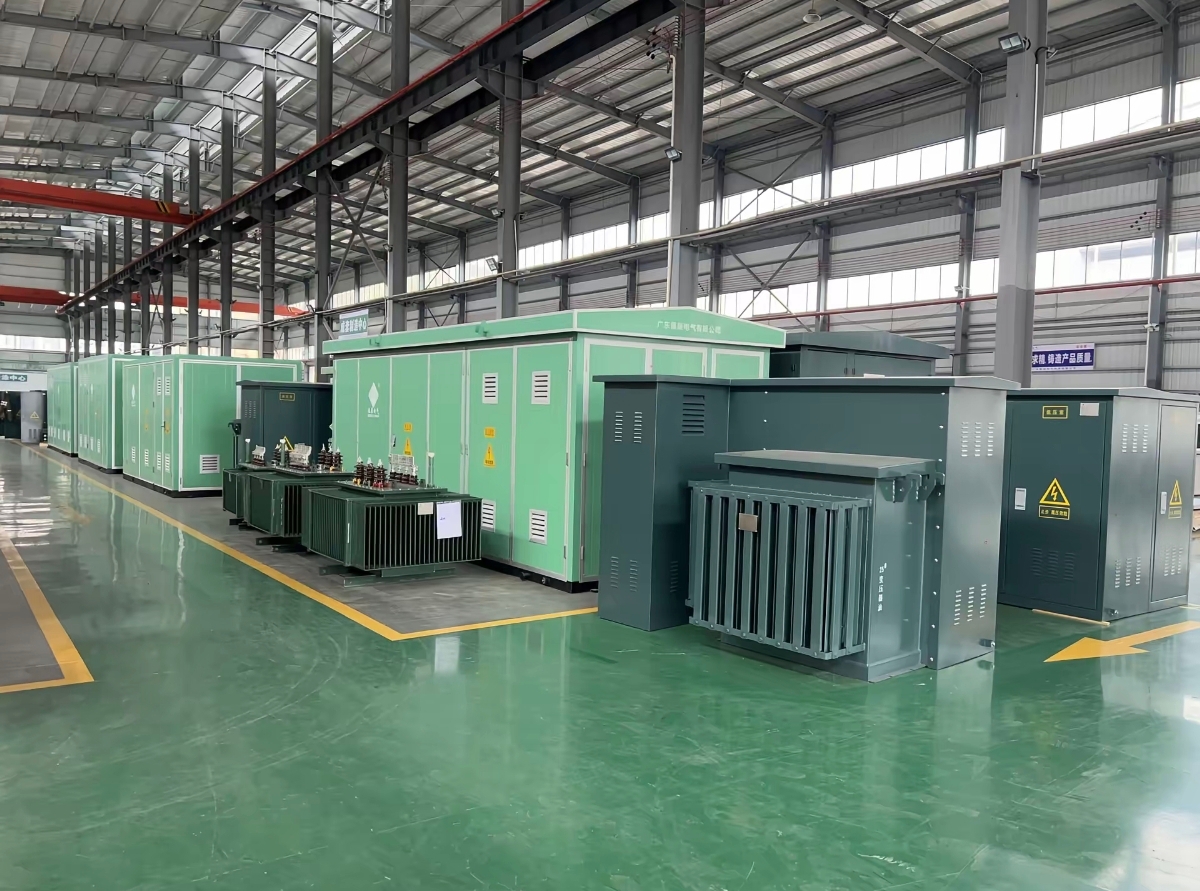
Determining the right time to implement parallel transformer operation is a critical strategic decision for facility managers and power system designers. When your facility's electrical demand grows or system reliability becomes a priority, running multiple transformers in parallel—rather than replacing a single unit—can offer significant advantages in flexibility, efficiency, and operational control. Understanding when this approach makes sense, and what conditions must be in place for success, is essential to avoiding costly mistakes and ensuring long-term system performance.
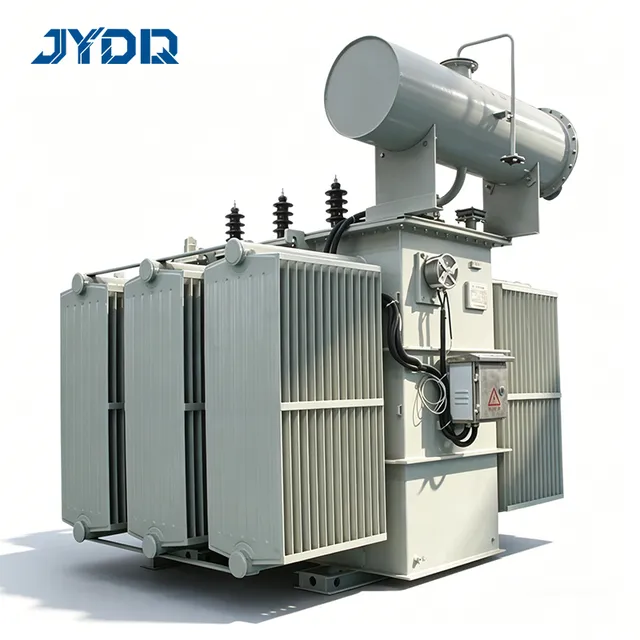
Parallel transformer operation has evolved from a niche practice into a mainstream strategy for facilities seeking both scalability and resilience. This approach allows two or more transformers to share electrical load simultaneously, creating opportunities for better resource utilization, improved system redundancy, and easier capacity expansion without full infrastructure replacement.
Recognizing Growth Signals That Demand Capacity Decisions
The first indicator that parallel operation might be worth considering is sustained, predictable load growth. If your facility's electrical consumption has been increasing consistently over the past two to three years, and projections suggest this trend will continue, you face a capacity challenge. Rather than immediately installing an oversized replacement transformer, analyzing whether your site can support parallel operation provides an attractive middle ground. A transformer added in parallel can meet incremental demand while preserving your existing equipment investment.
Load sharing through parallel operation is particularly valuable when your growth is modular—adding new production lines, expanding facilities, or bringing new tenants online in phases. Instead of one large capital expenditure, you distribute the investment across multiple smaller transformer additions. This staged approach aligns capital spending with actual revenue growth and reduces the risk of over-provisioning.
Evaluating Current System Utilization
Before committing to parallel operation, audit your existing transformer's actual load versus its nameplate capacity. Many facilities operate near 70–80 percent of their transformer's rating during peak demand but average only 40–50 percent during normal hours. If your transformer is consistently loaded above 85 percent during peak periods, parallel operation becomes genuinely necessary.
Understanding your load profile also reveals whether parallel operation aligns with your operational philosophy. If your facility values continuous operation and zero unplanned downtime, having multiple transformers in parallel provides inherent redundancy. When one unit requires maintenance or unexpectedly fails, the remaining transformer can continue serving the facility at reduced capacity.
Assessing Infrastructure and Technical Readiness
Parallel operation is technically feasible only when several infrastructure prerequisites are met. Your electrical distribution system must have adequate space, cooling capacity, and switchgear to accommodate additional transformers. The power distribution network feeding these units must be designed to support multiple parallel sources without creating voltage imbalance, circulating currents, or protection coordination problems. Load sharing requires that transformers be sized appropriately and have compatible voltage ratings, impedance values, and phasing to ensure current distributes proportionally.
System expansion through parallel operation also demands competent electrical management. Your facility must have personnel trained in parallel transformer operation, or you must engage external expertise to oversee the transition. Protection schemes become more complex when multiple transformers operate simultaneously, and your overcurrent relays, grounding systems, and metering infrastructure need careful review.
Examining Transformer Impedance and Matching
One critical technical factor is impedance matching between units operating in parallel. Transformers with significantly different impedance values will not share load equally; the lower-impedance unit will carry disproportionately more current, potentially causing overheating and premature failure. When considering parallel operation, you must either select new transformers with impedance values closely matching your existing unit, or plan for retrofitting compatible equipment.
The configuration of your secondary distribution—whether you use bus bars, cables, or point-to-point connections—also affects how well multiple transformers share load. Symmetrical secondary wiring, balanced conductor lengths, and consistent cable impedance are essential for achieving proportional load sharing.
Weighing Economic and Operational Trade-Offs
The financial case for parallel operation depends on comparing multiple scenarios: upgrading to a single larger transformer, implementing parallel operation now, or deferring capacity decisions. The parallel approach often costs more upfront because you're purchasing additional equipment, switchgear, protection systems, and engineering services. However, if you can defer the purchase of the second unit until demand genuinely warrants it, you spread costs across multiple budget cycles. This staged investment approach can be attractive in uncertain economic environments or when future facility growth is possible but not guaranteed.
Operational considerations also factor into the decision. Parallel transformers require more sophisticated monitoring, control logic for load sharing, and preventive maintenance procedures. Your operations team must understand how to balance load between units, recognize failure modes unique to parallel configurations, and respond appropriately.
Calculating Life-Cycle and Reliability Benefits
Beyond initial cost, examine the life-cycle value of system expansion through parallel operation. A facility operating two modestly-loaded transformers typically experiences longer equipment lifespan than a single unit operating at high utilization. Lower average loading reduces insulation stress, extends oil life, and decreases the likelihood of catastrophic failure. For critical applications, the reliability premium of redundancy—the ability to continue operations when one unit fails—often justifies the investment. Calculate the cost of a single transformer failure against your facility's revenue loss during the replacement period, and parallel operation's value becomes clearer.
Environmental and energy efficiency considerations also support parallel operation in some contexts. Running multiple smaller transformers at part load can be more efficient than a single large transformer at high utilization, depending on load profile and transformer design. If your facility operates with variable demand patterns, activating transformers only when needed reduces no-load losses and aligns energy consumption with actual requirements.
Identifying the Optimal Timing and Trigger Points
The best time to decide on parallel operation is during facility planning or well before your existing transformer reaches maximum capacity. If you wait until your current unit is operating at 95 percent utilization with urgent demand still growing, you lose the flexibility to plan thoughtfully. Making the decision during moderate utilization—around 65–75 percent—gives you time to engineer the parallel configuration properly, procure compatible equipment, and plan the switchover with minimal disruption.
Specific trigger points should prompt a formal parallel operation review. These include persistent peak loads exceeding 85 percent of your transformer's rating, facility expansion plans that will add significant new loads, reliability requirements that demand redundancy, or regular transformer maintenance windows where adding a parallel unit becomes convenient.
Planning the Transition and Phased Implementation
Once you've decided that parallel operation aligns with your facility's trajectory, develop a detailed transition plan. Begin by having a qualified electrical engineer assess your existing distribution system, confirm compatibility with parallel operation, and design the necessary switchgear, protection schemes, and control logic. Specify the new transformer to match impedance, voltage, and phasing of your existing unit. Coordinate with your utility to ensure they understand the parallel configuration and any implications for their supply or protection coordination.
Implement parallel operation in phases when possible. Start with the new transformer offline and existing equipment supplying all load as usual. Install the parallel connections, switchgear, and controls while carefully testing protection coordination and metering. Only after thorough validation should you energize both units and commence parallel operation.
FAQ
When exactly should I stop considering upgrades and commit to parallel transformer operation?
Commit to parallel operation when your facility's peak load consistently exceeds 80–85 percent of your existing transformer's capacity, your facility's electrical demand is projected to grow further, and your infrastructure has sufficient space and cooling for additional equipment. If your load is declining or has stabilized, or if a single larger transformer is simpler and more cost-effective given your specific constraints, then parallel operation may not be justified. The decision ultimately reflects your growth outlook, reliability requirements, and available capital budget rather than a fixed threshold.
What is the minimum load sharing requirement for parallel transformers to operate safely?
There is no absolute minimum, but for proportional and safe load sharing, transformers operating in parallel should have impedance values within approximately 5–10 percent of each other, matching voltage ratings, and identical phasing. The secondary wiring must be symmetrical to ensure balanced current distribution. If transformers deviate significantly from these criteria, the lower-impedance unit will carry disproportionately more current, risking overheating and potential failure. Mismatched units can operate in parallel but require detailed engineering analysis and may necessitate series resistors or other corrective measures to protect the weaker transformer.
How does system expansion through parallel operation compare to simply replacing my transformer with a larger unit?
A single larger transformer is simpler, requires less maintenance and training, and involves no load sharing complexity. Parallel operation costs more upfront but offers flexibility to add capacity incrementally as demand grows, preserves your existing equipment investment, provides inherent redundancy, and can reduce energy costs if load profiles are variable. Choose the larger single unit if your load growth is sudden and predictable; choose parallel operation if growth is gradual, if reliability is critical, or if you want to avoid over-provisioning when future facility demand is uncertain.

 EN