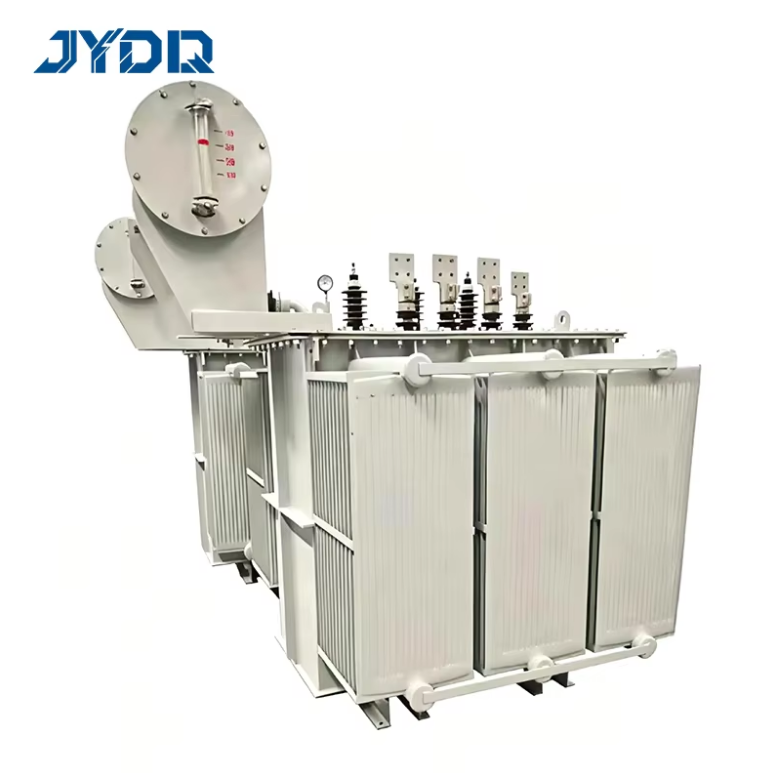
The quality of transformer oil is one of the most overlooked yet critical factors determining the performance and lifespan of an oil immersed transformer. Many facility managers and engineers focus on electrical specifications and cooling efficiency, but fail to recognize that the oil itself serves as both a coolant and an insulation medium. When oil quality deteriorates, the entire transformer becomes vulnerable to failures that can disrupt operations and lead to costly repairs or replacement. Understanding why oil quality matters is essential for anyone responsible for transformer maintenance and operational reliability.
Transformer oil degradation occurs gradually through oxidation, moisture absorption, and thermal stress. Poor oil quality compromises both cooling capacity and electrical insulation strength, creating a cascading effect that accelerates component wear. This article explores the multifaceted reasons why maintaining superior oil quality is non-negotiable for transformer longevity, operational safety, and cost-effectiveness across industrial and utility applications.
The Dual Role of Transformer Oil in System Performance
Cooling and Heat Dissipation
Transformer oil circulates through the winding and core to absorb heat generated by electrical resistance and core losses. High-quality transformer oil maintains consistent thermal conductivity, enabling efficient heat transfer from hot zones to the radiator or cooler system. When oil degrades, its viscosity changes and thermal properties decline, reducing cooling efficiency. This means the transformer runs hotter, and internal temperatures rise beyond design specifications. Elevated temperatures accelerate aging of paper insulation and further degrade the oil itself, creating a destructive feedback loop. Maintaining excellent transformer oil properties ensures reliable heat dissipation and prevents thermal runaway conditions.
Electrical Insulation Integrity
The insulation function of transformer oil protects conductors and components from electrical breakdown and short circuits. Oil provides dielectric strength that prevents sparking between energized parts. High-quality transformer oil exhibits stable dielectric breakdown voltage, typically measured in kilovolts per millimeter. When oil absorbs moisture or accumulates polar contaminants, its dielectric strength drops significantly, increasing the risk of internal arcing and catastrophic failure. The insulation role is equally critical as cooling, yet it often receives less attention during maintenance routines. Poor oil quality directly undermines electrical safety and operational reliability.
How Contamination Degrades Oil Performance and Transformer Function
Water Content and Moisture Effects
Water is the primary enemy of transformer oil and insulation systems. Moisture enters oil through seal leaks, breathing vents, and maintenance procedures. Even small water concentrations reduce dielectric breakdown voltage and accelerate paper insulation degradation. Water combines with oil oxidation byproducts to form sludge, which settles on cooler surfaces and blocks heat transfer. High water content lowers the thermal conductivity of transformer oil, directly compromising cooling performance. Maintenance protocols must include regular oil moisture testing, and any reading above industry thresholds demands immediate action. Water removal through dehydration preserves both oil quality and transformer reliability.
Oxidation and Acid Formation
Transformer oil undergoes oxidation when exposed to oxygen at elevated temperatures. Oxidation produces organic acids that corrode copper windings and paper insulation. Acid number is a key metric for assessing oil condition, and elevated acid content signals advanced degradation. These acids also reduce oil's ability to function as an insulating medium, lowering dielectric strength. Oxidized transformer oil becomes darker and more viscous, impairing heat transfer. Modern maintenance programs use acid number testing to predict remaining oil life and schedule regeneration or replacement. Controlling oxidation through proper ventilation, temperature management, and antioxidant additives is essential for maintaining oil quality.
Impact of Oil Quality on Maintenance Costs and Asset Lifespan
Preventive Maintenance Through Oil Analysis
Regular oil analysis is a cornerstone of predictive maintenance for transformer equipment. Tests measure water content, acid number, viscosity, dielectric breakdown, and dissolved gas concentrations. These metrics provide early warning of oil degradation before catastrophic failure occurs. By monitoring transformer oil condition, maintenance teams can schedule oil regeneration or replacement during planned outages rather than responding to emergency failures. Proactive oil maintenance extends transformer lifespan by ten to fifteen years compared to reactive approaches. The cost of periodic oil testing and conditioning is far less than emergency repairs or unplanned downtime. Oil quality directly affects the return on investment for the entire asset.
Extending Component Lifespan
High-quality transformer oil protects paper insulation, copper windings, and magnetic cores from premature aging. When oil is clean and dry, these components degrade at normal rates designed into the transformer. Poor oil quality accelerates degradation, shortening the effective lifespan of all internal components. Paper insulation life is exponentially dependent on temperature, and deteriorated oil fails to dissipate heat effectively, raising internal temperatures and accelerating paper breakdown. Windings exposed to acidic oil oxidize and develop mechanical weakness. Magnetic cores suffer increased losses in the presence of sludge buildup. Maintaining superior transformer oil quality is the single most effective way to preserve all transformer components and maximize asset value over decades of operation.
FAQ
What are the key indicators of poor transformer oil quality?
Poor oil quality shows up in several measurable ways: high water content above 50 ppm, acid number above 0.3 mg KOH/g, low dielectric breakdown voltage below 25 kV, dark color, and elevated dissolved gas concentrations. Any combination of these signals warrants immediate oil testing and often regeneration or replacement. Visual inspection—such as darkening color or sludge accumulation at the bottom of the tank—also indicates maintenance is overdue.
How often should transformer oil be tested and maintained?
Industry standards recommend oil analysis every one to three years for most transformers, with more frequent testing for critical equipment or units operating in harsh conditions. After any maintenance work, oil should be tested before the transformer returns to service. Transformers with a history of oil degradation or those approaching end-of-life may benefit from annual testing. Condition-based maintenance using oil analysis data is more effective than fixed intervals.
Can degraded transformer oil be restored or must it be replaced?
Moderately degraded transformer oil can often be restored through regeneration processes that remove water, acids, and oxidation products while preserving the remaining useful oil. Regeneration extends oil life and reduces costs compared to complete replacement. However, severely degraded oil with very high acid numbers or extremely low dielectric strength requires full replacement. A qualified oil analysis report guides the decision between regeneration and replacement.

 EN