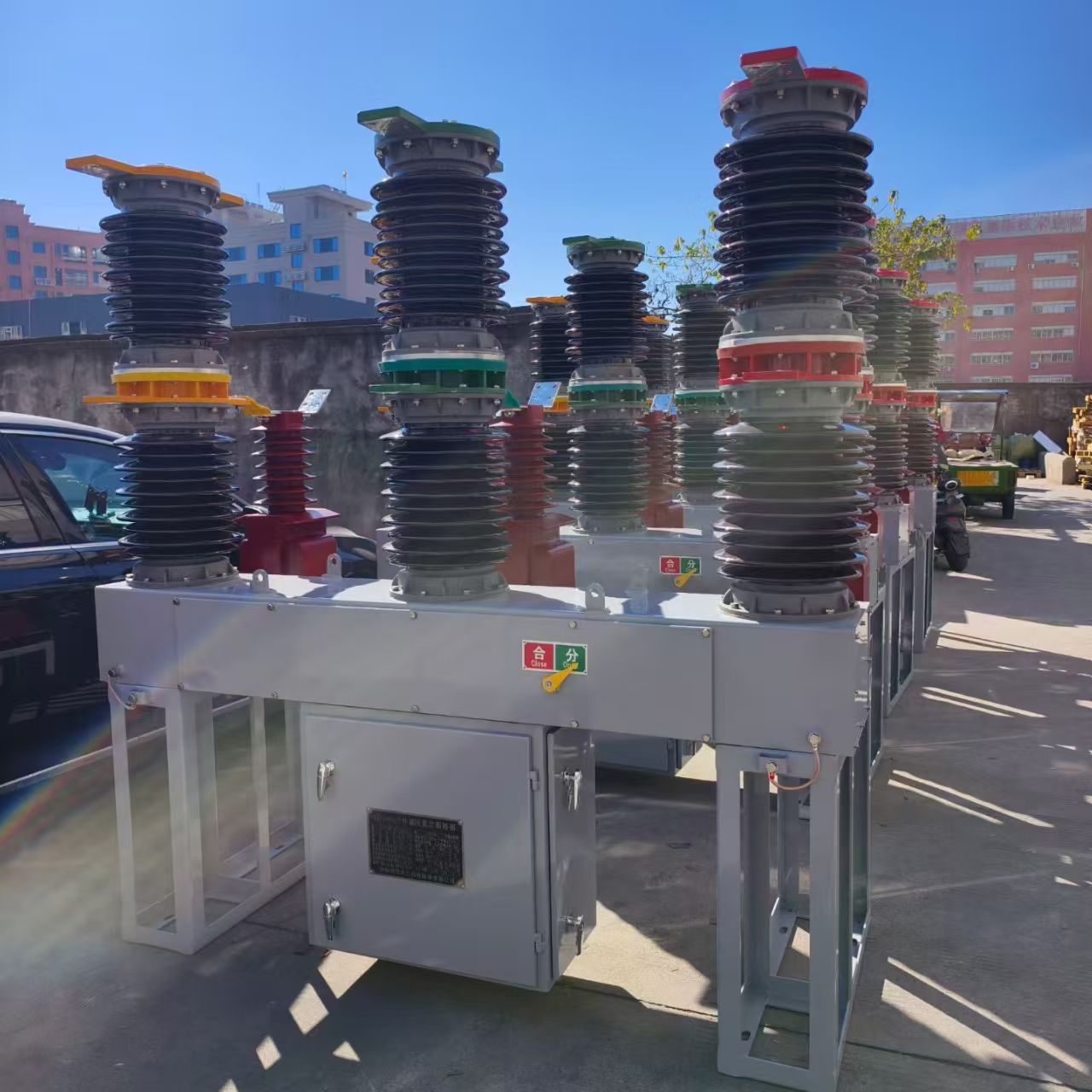
Understanding the differences between an sf6 ckt breaker and a vacuum circuit breaker is essential for electrical engineers and facility managers selecting protection equipment for high-voltage systems. Both technologies represent advanced arc extinguishing methods, yet each offers distinct advantages and operational characteristics that affect system performance, maintenance requirements, and long-term cost considerations. The choice between these two solutions depends on specific application demands, environmental factors, and reliability expectations.
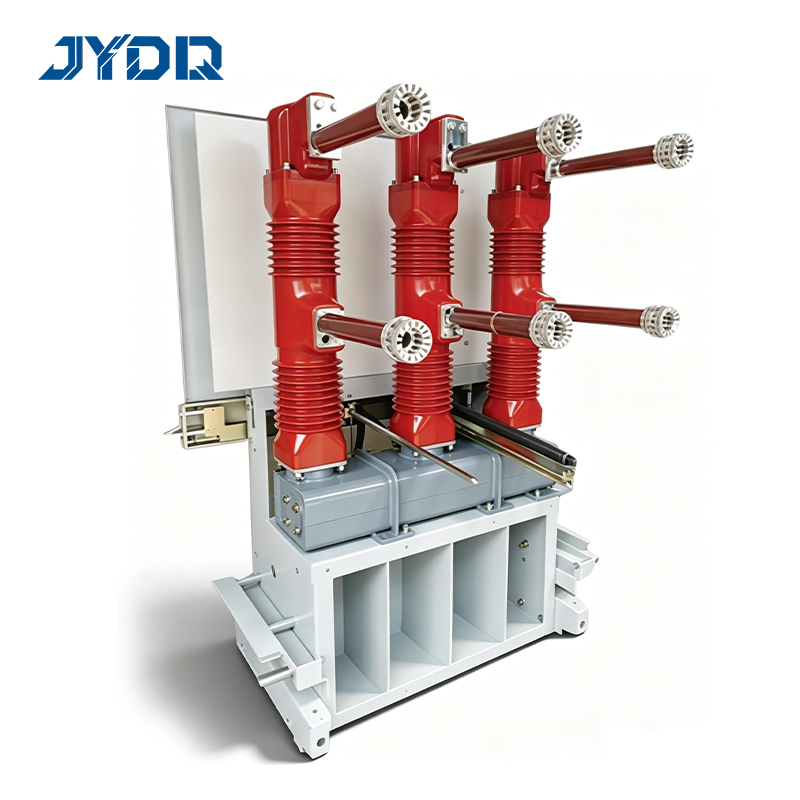
When evaluating a breaker comparison, it is critical to examine how each technology handles arc quenching, rated duty performance, environmental impact, and maintenance accessibility. A VCB uses vacuum as the arc-extinguishing medium, while an SF6 breaker employs sulfur hexafluoride gas. Both represent mature, proven technologies deployed globally in power transmission and distribution networks, substations, and industrial installations where reliable fault protection is non-negotiable.
Arc Extinguishing Performance and Technical Capabilities
How SF6 Breakers Achieve Superior Arc Suppression
The SF6 ckt breaker operates using sulfur hexafluoride gas, a potent insulating and arc-quenching medium that exhibits exceptional dielectric strength. When a fault occurs, the contacts separate and create an arc within the SF6-filled chamber. The gas rapidly absorbs the arc energy and cools the ionized particles, extinguishing the arc in milliseconds. This rapid extinction capability enables the SF6 breaker to interrupt extremely high fault currents with minimal contact erosion, making it ideal for applications requiring frequent switching operations or in systems with substantial short-circuit ratings.
SF6 technology delivers consistent performance across a wide range of fault conditions and operating temperatures. The gas does not degrade significantly during normal operation, and the dielectric recovery after arc extinction is virtually instantaneous, allowing rapid reclosure operations if needed. Modern SF6 breakers incorporate puffer mechanisms or rotary assemblies that effectively control gas pressure and flow during arc extinction, optimizing the breaker comparison metrics for reliability and switching speed.
VCB Operating Principles and Interruption Mechanics
A vacuum circuit breaker, commonly referenced as VCB, utilizes the inherent properties of vacuum as an insulating medium and arc-quenching environment. When contacts separate in a vacuum chamber, an arc forms briefly but cannot sustain itself because no gas molecules exist to ionize and conduct current. The arc naturally extinguishes as the current approaches zero at the AC cycle crossing point. This self-extinguishing property makes the VCB fundamentally different from gas-based technologies and eliminates the need for complex gas flow mechanisms.
VCB technology requires no gas replacement or gas quality monitoring, which simplifies maintenance routines significantly. The vacuum chamber maintains its dielectric properties indefinitely if the seal remains intact, offering exceptional long-term reliability. However, the breaker comparison reveals that VCB interruption depends on the AC current zero crossing, meaning interruption times are longer than those achieved by SF6 breakers in some fault scenarios. Contact erosion in VCB systems produces metallic particles that can accumulate in the vacuum chamber, requiring periodic inspection to ensure continued performance integrity.
Maintenance Requirements and Environmental Considerations
Gas Management and Environmental Impact of SF6 Systems
The SF6 ckt breaker requires active management throughout its operational lifecycle. The gas must be monitored periodically to ensure purity and pressure levels remain within acceptable ranges. Over time, SF6 gas may experience slight decomposition or moisture ingress, necessitating regular quality assessments and potential gas restoration. Environmental regulations increasingly scrutinize SF6 emissions because the gas is a potent greenhouse compound with significant global warming potential. Proper handling, leak detection systems, and gas recovery during maintenance activities have become industry standards to minimize environmental footprint.
Utilities and industrial operators must invest in SF6 gas handling equipment, qualified technician training, and documentation systems to comply with environmental regulations. The economic impact of gas management, combined with regulatory compliance costs, represents a significant operational consideration in the breaker comparison analysis. Despite these requirements, many facilities continue deploying SF6 technology because the technical advantages in high-voltage, high-interrupting-capacity applications often justify the additional oversight and expense.
Vacuum Breaker Maintenance Simplicity and Durability
The VCB offers a compelling maintenance advantage because it requires virtually no consumable gas management. Once the vacuum chamber is sealed and installed, it requires no ongoing gas quality monitoring, pressure verification, or environmental compliance documentation for gas handling. Maintenance focus remains primarily on mechanical components, electrical connections, and drive mechanisms rather than complex gas systems. This operational simplicity translates directly into lower lifecycle costs and reduced technical expertise requirements for facility staff.
However, the breaker comparison must acknowledge that vacuum chambers do require periodic internal inspections to verify seal integrity and assess contact erosion. Extended operational life eventually necessitates contact replacement to maintain specified switching capacity and fault interruption ratings. The modular design of modern VCB units simplifies replacement procedures, allowing maintenance teams to conduct overhauls without requiring specialized gas handling expertise or complex environmental compliance protocols. This accessibility makes VCB technology particularly attractive for distributed installations or facilities with limited specialized technical resources.
Application Suitability and Performance in Specific Operating Scenarios
Optimal Use Cases for SF6 Circuit Breaker Systems
The SF6 ckt breaker excels in transmission-level applications where extremely high fault currents exist and rapid switching responses are critical. Utilities deploying SF6 breakers in bulk oil circuit breaker replacement programs consistently report improved interruption reliability, reduced contact erosion rates, and extended maintenance intervals compared to legacy technologies. The breaker comparison confirms that SF6 equipment performs exceptionally well in systems requiring frequent automatic reclosure operations, such as transmission lines experiencing transient faults.
Industrial applications involving high-frequency switching, such as rail-mounted bridge units or distributed switching stations, benefit significantly from SF6 technology's rapid interruption capability and minimal contact wear. Facilities in environmentally controlled settings with professional maintenance staff can justify SF6 deployment costs through improved operational reliability and reduced downtime. The technology particularly suits applications where the dielectric environment surrounding the breaker remains pressurized and sealed, minimizing gas loss potential and environmental exposure.
VCB Application Strengths and Performance Advantages
The vacuum circuit breaker demonstrates outstanding suitability for distribution-level protection, where fault currents remain moderate and maintenance accessibility is valued highly. VCB technology dominates the medium-voltage sector, particularly in applications ranging from 6 kV to 35 kV where operational simplicity and low lifecycle costs drive purchasing decisions. The breaker comparison reveals that VCB systems consistently deliver superior performance in applications requiring minimal specialized maintenance intervention and where environmental compliance concerns weigh heavily on operational strategy.
Rural utility networks, mining operations, and industrial facilities with distributed protection schemes frequently standardize on VCB technology to reduce inventory complexity and training requirements. The technology's inherent reliability in interrupting current zero makes it exceptionally effective in networks with moderate fault duty levels. Facilities planning long-term operational expansion often select VCB solutions to minimize future gas management infrastructure investments and environmental compliance obligations. VCB deployment in commercial buildings and smaller industrial installations reflects the technology's advantages in accessibility, ease of maintenance, and regulatory alignment.
FAQ
What is the primary difference between SF6 and VCB interruption mechanisms?
The primary difference lies in how each technology extinguishes the arc. An SF6 ckt breaker uses sulfur hexafluoride gas to actively cool and suppress the arc, enabling rapid interruption regardless of current magnitude or cycle timing. A VCB relies on vacuum's inherent property of preventing arc sustainability, with current interruption occurring naturally at the AC zero crossing. This fundamental distinction affects interruption speed, maintenance requirements, and environmental considerations in any breaker comparison evaluation.
Why does VCB technology require less maintenance than SF6 breakers?
VCB systems require minimal maintenance because they use no consumable gas that requires monitoring, replenishment, or environmental compliance oversight. Once the vacuum chamber seal is established, no gas quality checks or pressure verifications become necessary during routine operation. An SF6 ckt breaker demands periodic gas analysis, moisture testing, and potential gas recovery procedures, substantially increasing maintenance workload and technical requirements. The breaker comparison clearly demonstrates that VCB simplicity translates to lower operational burden and reduced training needs for facility staff.
Which breaker technology is more environmentally responsible?
The VCB represents the environmentally responsible choice because it generates no greenhouse gas emissions and requires no environmental compliance documentation for gas handling or disposal. SF6 gas carries high global warming potential, making SF6 ckt breaker operations subject to increasingly stringent environmental regulations and emission reporting requirements. However, the environmental impact must be weighed against the superior reliability and reduced downtime that SF6 technology provides in demanding applications. The breaker comparison between these technologies reflects a tradeoff between environmental stewardship and operational performance reliability that organizations must evaluate within their specific regulatory context.

 EN