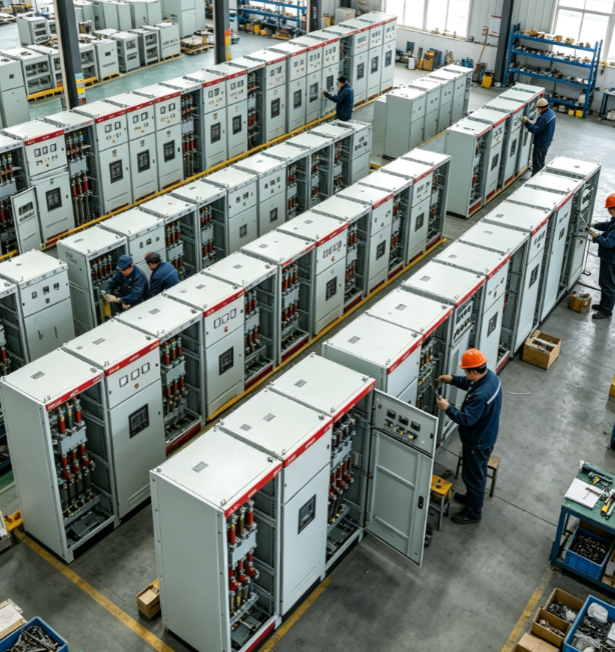
Installing a Dry-Type Transformer indoors requires careful planning and thorough preparation to ensure safety, compliance, and optimal performance. Unlike oil-immersed transformers, dry-type models are designed for internal placement within buildings, but this convenience does not eliminate the need for rigorous pre-installation verification. Understanding what to check before installation protects your investment, ensures regulatory compliance, and prevents costly operational failures or safety hazards.
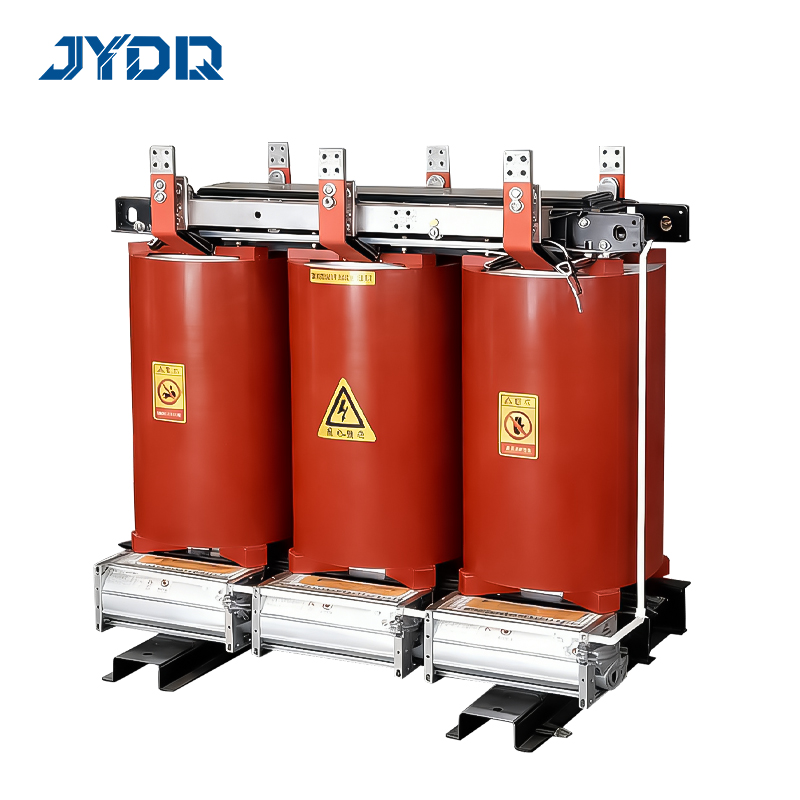
This comprehensive installation checklist guides facility managers, electricians, and procurement teams through the critical assessment phases before deploying an indoor transformer. From electrical room specifications to structural integrity and cooling requirements, each element directly impacts whether your installation will meet code requirements and deliver reliable service for decades. The following sections break down the essential checks into logical categories that align with industry standards and practical commissioning protocols.
Electrical Room and Space Requirements
Adequate Physical Space and Clearance
The electrical room must provide sufficient clearance around the transformer for safe operation and maintenance access. Building codes typically mandate minimum clearances of three feet on the front for panel access, and adequate space on sides and rear for air circulation and future component removal. Before installation, measure the actual room dimensions and confirm the transformer footprint, height, and weight distribution do not create access barriers or violate local electrical codes. Check whether ceiling height accommodates the transformer and any overhead conduit routing without obstruction.
Ventilation and Cooling Capacity
An indoor transformer generates heat during normal operation, making adequate ventilation critical for the electrical room. Verify that existing HVAC systems can maintain room temperature within the manufacturer's specifications, typically between 10°C and 40°C for continuous operation. Calculate the transformer's heat dissipation in kilowatts and confirm the room's cooling capacity exceeds this demand. Poor ventilation forces the transformer to operate above rated temperature, reducing lifespan, increasing losses, and potentially triggering thermal protection devices during peak demand periods.
Structural and Foundation Assessment
Floor Load Capacity and Foundation Integrity
Dry-type transformers weigh hundreds to thousands of kilograms depending on capacity. Verify the electrical room floor can safely support the transformer's weight and the reinforced pad or mounting structure if required. Conduct a structural survey to identify load-bearing walls, concrete strength, and existing crack patterns that could indicate settlement or weakness. If the floor cannot support the load, engineering consultation may be necessary to specify reinforced mounting or relocation to a more suitable area. Improper support leads to vibration, misalignment, and accelerated wear on electrical connections.
Vibration Isolation and Damping
Transformer operation generates low-frequency vibration that can transmit through building structures, creating noise and potential fatigue damage to adjacent systems. Install vibration-dampening pads or isolation mounts beneath the transformer to minimize transmission. Confirm that isolation materials are rated for the transformer's weight and the electrical room's environmental conditions. Additionally, ensure the electrical room is physically isolated from occupied spaces or sensitive equipment like data centers, where vibration and noise could cause issues or operational interference.
Electrical Connection and Safety Infrastructure
Power Supply Quality and Grounding
Verify the incoming electrical service matches the transformer's primary voltage rating and phase configuration, whether single-phase or three-phase. Measure voltage at the proposed connection points to confirm it falls within acceptable ranges, typically ±10% of rated voltage. Poor voltage quality damages transformer windings and reduces efficiency. Establish a robust grounding system with properly sized conductors connecting the transformer frame to the building's main ground. Test grounding resistance to confirm it meets local electrical code requirements, usually below 5 ohms for industrial installations.
Secondary Circuit and Load Preparation
Before the transformer energizes, confirm all secondary circuits, overcurrent protection, and distribution panels are correctly sized and tested. Verify that circuit breakers and fuses match the transformer's secondary amperage rating and the actual connected load. Ensure wiring in the electrical room meets code and is sized appropriately for the amperage. Test all circuits for continuity and insulation resistance to identify any faults or incomplete connections that could cause short circuits or ground faults during commissioning. A properly installed installation checklist prevents these failures from occurring after the transformer is energized.
Environmental and Compliance Verification
Environmental Conditions and Atmospheric Hazards
The electrical room must remain free from dust, moisture, corrosive chemicals, and explosive vapors that could compromise the transformer's insulation or create safety hazards. Inspect for sources of moisture such as leaking pipes, condensation, or proximity to water-cooled systems, and address them before installation. If the facility handles chemicals or combustible materials, ensure the electrical room is separated by fire-rated barriers and complies with hazardous location classifications. Dry-type transformers used in classified areas may require additional arc protection or enclosure ratings specified by local regulations.
Code Compliance and Documentation
Verify that the proposed installation meets applicable electrical codes including the National Electrical Code (NEC), IEC standards, and any regional or municipal requirements. Confirm the transformer has proper nameplate markings, efficiency ratings, and certification from recognized testing laboratories. Obtain the manufacturer's installation manual and technical specifications for reference during commissioning. Prepare documentation including one-line diagrams, grounding layouts, and load calculations to support code inspections and future maintenance activities. Proper documentation ensures the indoor transformer installation remains compliant and maintainable throughout its operational life.
FAQ
What is the minimum electrical room temperature for a dry-type transformer installation?
Most dry-type transformers are rated for continuous operation between 10°C and 40°C ambient temperature. Operating below 10°C may cause condensation on windings, while exceeding 40°C accelerates insulation aging and reduces efficiency. Your specific electrical room cooling system must maintain temperature within this range during peak load conditions. Consult the transformer manufacturer's nameplate for exact temperature limits, as some specialized units may have different ratings.
How do I verify grounding adequacy for an indoor transformer installation?
Test the grounding resistance using a calibrated earth resistance meter, measuring from the transformer frame ground to the main building ground. Resistance should typically be below 5 ohms for industrial installations, though local codes may specify different thresholds. Verify the grounding conductor is properly sized according to the transformer's amperage and connected to a dedicated ground rod or the building's main ground bus. Documentation of grounding test results should be retained for code inspection and future reference.
Can a dry-type transformer be installed in a shared electrical room with other equipment?
Yes, but only if adequate space, cooling, and isolation are maintained. The transformer must have unobstructed clearance from switchgear, cables, and other equipment per electrical code requirements. Ensure the electrical room's total cooling capacity can handle heat from all equipment combined. Additionally, keep the transformer away from moisture sources, chemical storage, or vibration-sensitive instruments. Consult electrical code and the transformer manufacturer's installation checklist to confirm the shared space arrangement complies with all requirements.

 EN