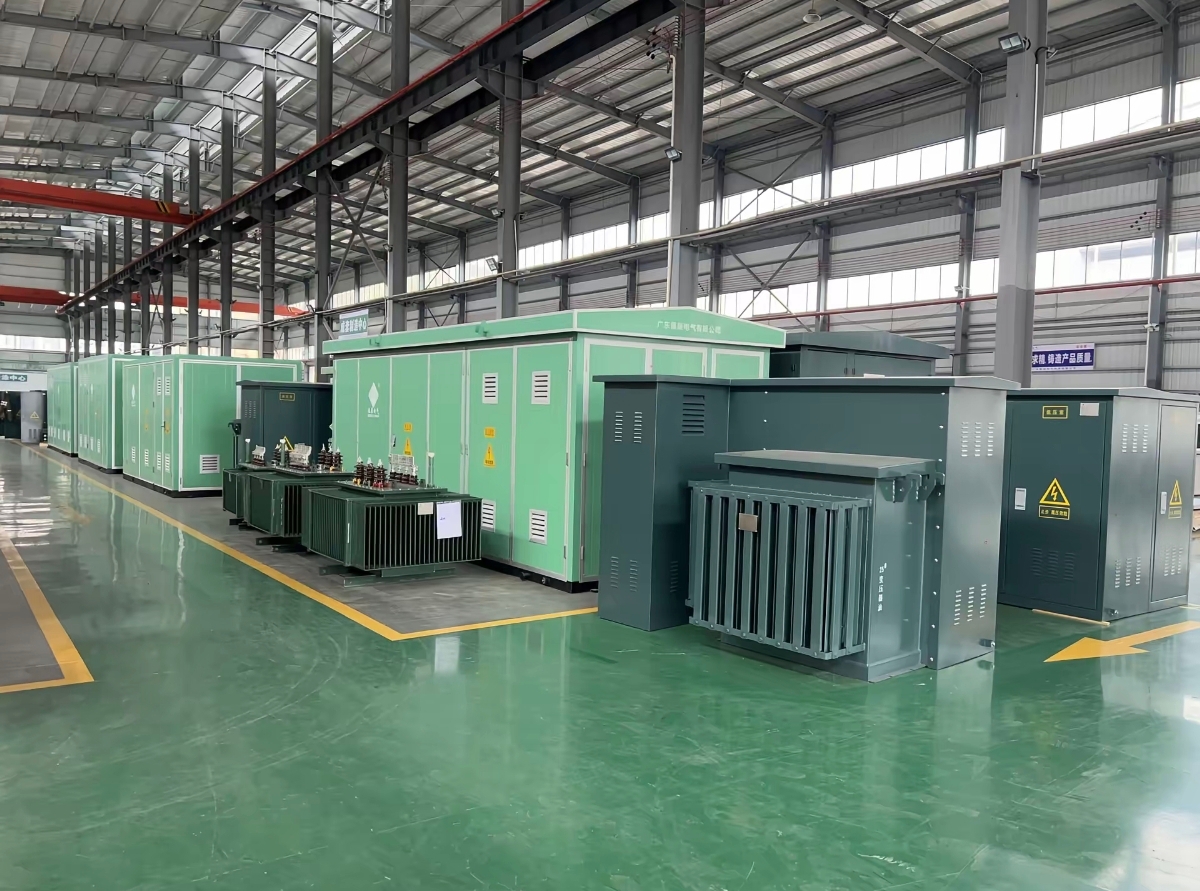
Deciding whether to invest in a custom transformer versus accepting standard off-the-shelf solutions represents a critical engineering decision that impacts project timeline, cost, and long-term operational performance. Many facility managers and electrical engineers face this question when planning infrastructure upgrades or new installations, yet the answer depends on specific technical constraints, regulatory requirements, and operational demands that standard units cannot address. Understanding when a custom transformer specification becomes necessary requires examining the fundamental differences between generic OEM offerings and tailored solutions designed for unique environmental, electrical, and functional conditions.
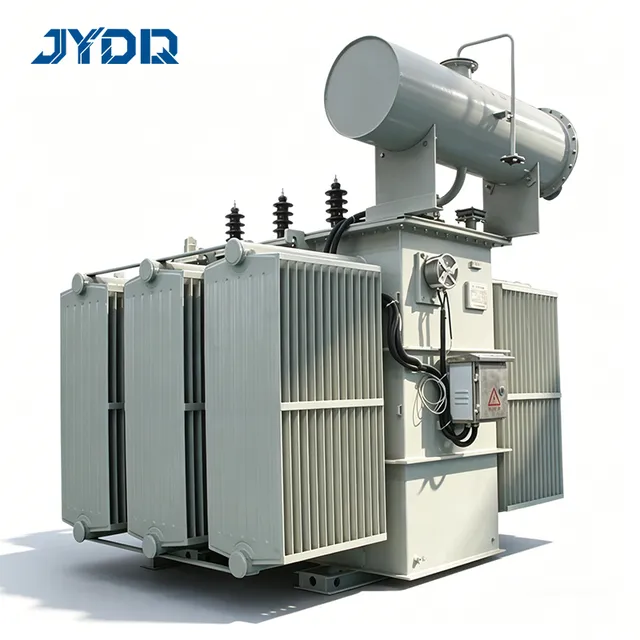
The decision to pursue a custom transformer specification arises from genuine project requirement constraints that prevent standard OEM products from functioning reliably. Industrial facilities operating in extreme climates, demanding voltage configurations, or specialized power distribution scenarios often discover that conventional transformer designs create performance bottlenecks, safety risks, or efficiency losses. This article explores the critical conditions that signal the need for custom transformer engineering, helping facility planners make informed decisions about when standard solutions suffice and when specialized design becomes mandatory.
Environmental and Site-Specific Constraints
Extreme Temperature and Climate Conditions
Facilities located in arctic environments, desert regions, or marine settings frequently encounter thermal stress that standard OEM transformers cannot withstand without performance degradation. When ambient temperatures routinely exceed the design range of conventional units, a custom transformer specification becomes necessary to ensure reliable operation and extended equipment life. Standard cooling systems, insulation materials, and housing designs assume moderate climatic conditions; extreme variations demand specialized cooling arrangements, enhanced thermal pathways, and modified construction methods that only custom engineering can provide.
Coastal installations requiring corrosion resistance beyond OEM standard specifications represent another critical application for custom transformer design. Salt spray, humid air, and aggressive environmental pollutants accelerate degradation of conventional paint finishes, gaskets, and metal components. A custom transformer built with marine-grade materials, enhanced coating systems, and sealed construction protects the critical project requirement of extended operational life in hostile environments where standard OEM offerings would fail prematurely.
Space and Installation Constraints
Retrofit projects in existing industrial facilities often face spatial limitations that eliminate standard OEM transformer options entirely. When available floor space proves inadequate for conventional unit dimensions, or when mounting requirements demand unusual orientations, a custom transformer specification allows engineers to optimize physical design without compromising electrical performance. Specialized footprints, vertical configurations, and compact geometries cannot be sourced from typical OEM catalogs; they require dedicated custom transformer engineering aligned precisely with each unique project requirement and installation scenario.
Electrical and Operational Performance Demands
Non-Standard Voltage and Current Requirements
Industrial facilities operating with unusual voltage combinations, three-phase configurations, or specialized frequency requirements frequently discover that standard OEM transformer offerings lack compatible designs. When a facility requires a transformer with specific voltage ratios, unusual tap ranges, or harmonic mitigation capabilities beyond conventional specifications, the custom transformer approach becomes the only viable solution. OEM products are manufactured to popular standardized specifications; when your project requirement demands departure from these conventional configurations, custom engineering provides the necessary flexibility to match your electrical infrastructure precisely.
High-current applications in mining operations, steel mills, and chemical processing plants often require custom transformer designs optimized for elevated amperage flows that would overwhelm standard cooling and insulation systems in OEM units. These facilities need transformers engineered specifically to handle continuous heavy loads while maintaining temperature stability and minimizing copper losses. The custom transformer approach allows design engineers to upsize conductors, enhance cooling capacity, and reinforce structural elements according to the precise project requirement rather than forcing operations into the constraints of standard OEM designs.
Specialized Efficiency and Loss Management
When operating cost reduction depends on minimizing transformer losses, particularly in facilities running continuous operations, a custom transformer specification enables optimization that standard OEM products cannot match. Low-loss transformer designs incorporating premium silicon steel cores, oversized conductors, and enhanced cooling systems reduce operating expenses significantly over the equipment lifetime. Calculating the energy savings from custom design versus the engineering investment reveals that specialized transformers often prove economically justified through reduced electricity consumption, making this custom transformer approach attractive for large industrial operations where efficiency directly impacts profitability.
Regulatory Compliance and Standards Alignment
Regional and Industry-Specific Standards
Different geographic regions and industrial sectors enforce unique regulatory frameworks that may not align with standard OEM transformer designs. A custom transformer specification ensures compliance with local electrical codes, environmental regulations, safety standards, and industry-specific certifications required for operation in particular markets. Whether addressing stringent European environmental directives, North American safety standards, or specialized certifications for hazardous locations, custom engineering creates equipment that meets all applicable regulatory requirements without compromise or operational restrictions.
Future Capacity and Expandability Planning
Facilities anticipating future expansion or enhanced production capacity often benefit from custom transformer design that accommodates growth scenarios. Rather than installing standard OEM equipment and facing replacement costs when capacity requirements increase, forward-thinking engineers specify custom transformers with oversized thermal capacity and design margins that support anticipated future loads. This project requirement for scalability transforms the transformer from a fixed-capacity component into a flexible asset supporting operational evolution, ultimately reducing total cost of ownership and minimizing disruptive equipment changes during facility growth phases.
FAQ
What is the primary difference between custom transformer and standard OEM offerings?
Custom transformer design provides tailored engineering aligned with specific project requirement constraints, while OEM products follow standardized configurations serving general applications. Custom engineering allows optimization of every parameter including voltage ratios, cooling methods, physical dimensions, materials, and efficiency characteristics to match exact facility needs, whereas standard OEM transformers represent compromise designs intended for broad market appeal rather than specialized performance.
How does a custom transformer address unique project requirement challenges?
When standard OEM options prove insufficient for environmental extremes, unusual electrical configurations, spatial constraints, or regulatory compliance needs, a custom transformer specification provides engineering solutions tailored to those specific challenges. Design engineers modify materials, construction methods, cooling systems, and electrical characteristics to overcome obstacles that would prevent standard equipment from functioning reliably, ensuring the transformer performs optimally within your facility's unique operational context.
Is the cost of a custom transformer specification justified compared to OEM alternatives?
Custom transformer investment becomes justified when standard OEM equipment either cannot function reliably in your facility or would require costly modifications, workarounds, or operational compromises. Calculating total cost of ownership including installation, energy consumption, maintenance, and potential replacement needs frequently reveals that custom design delivers superior long-term value, particularly for facilities where equipment reliability directly impacts production revenue or where operational inefficiencies create substantial ongoing expenses.

 EN