Excessive heating in a dry type transformer represents one of the most common operational challenges faced by industrial facilities and electrical professionals. When a dry type transformer experiences abnormal temperature rise, it signals potential problems that demand immediate attention and systematic investigation. Understanding the underlying causes of overheating is essential for preventing equipment failure, extending asset lifespan, and maintaining operational reliability across electrical systems.
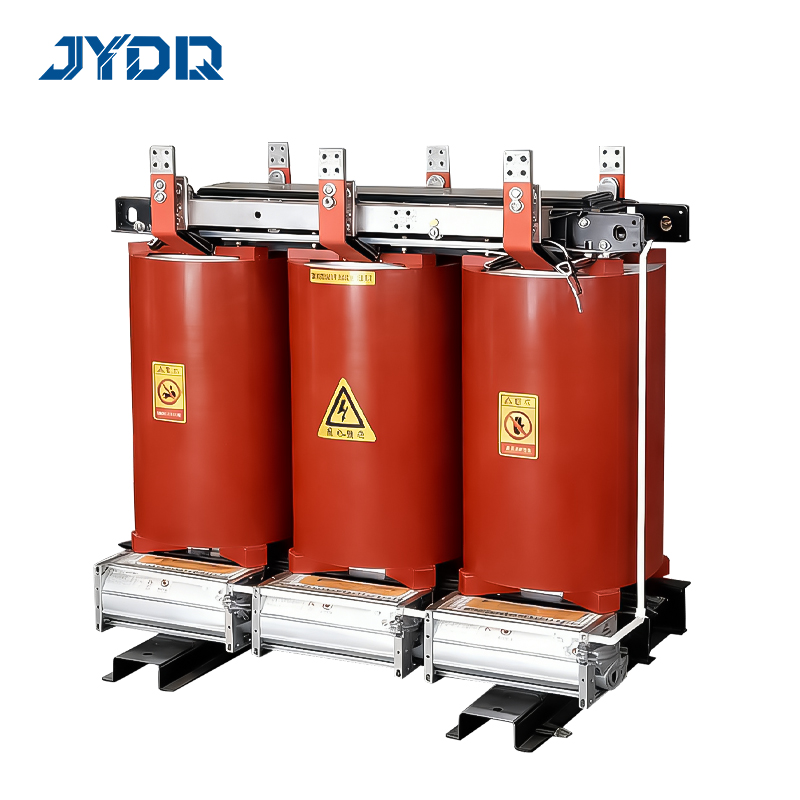
A dry type transformer relies on natural convection and forced air cooling to dissipate heat generated during operation. Unlike oil-immersed units, dry transformers use solid insulation materials such as epoxy resin or cast resin, making them ideal for indoor installations and environmentally sensitive applications. However, this design also makes them more susceptible to thermal management challenges when cooling pathways become compromised or when operating conditions exceed design specifications.
Core Causes of Overheating in Dry Type Transformers
Inadequate Cooling and Ventilation Issues
The primary driver of overheating in a dry type transformer is insufficient airflow around the unit. Dust accumulation on cooling fins, blocked ventilation ducts, or poor installation practices can severely restrict natural convection. When ambient air cannot circulate freely through the transformer's cooling surfaces, heat builds up rapidly within the windings and core. Industrial environments with high particulate content, such as manufacturing plants or cement facilities, face accelerated dust and debris buildup that degrades thermal management efficiency.
Forced-air cooling systems, when installed, require regular inspection to ensure fan operation and duct integrity. A faulty cooling fan or blocked air inlet will cause immediate overheating. Additionally, placing the transformer in confined spaces without adequate clearance from walls or other equipment restricts the critical airflow path. Proper ventilation design during installation directly determines whether thermal management will remain effective throughout the equipment's operational life.
Overload and Excessive Current Draw
Operating a dry type transformer beyond its rated capacity generates excessive copper losses in the windings, which translates directly into heat production. When facility loads exceed transformer capacity, current flow increases, and I²R losses (resistive heating) grow exponentially. This overloading condition is one of the most severe causes of overheating and can accelerate insulation degradation significantly. Many facilities experience unexpected load growth over time, leading to transformer overload without realizing the thermal consequences until failure occurs.
Load monitoring and capacity planning are critical components of effective thermal management strategy. Facilities must measure actual loads compared to transformer ratings and implement load balancing across multiple units when necessary. Temporary overloads during peak demand periods can also trigger overheating, making demand-side management an important preventive practice alongside proper equipment sizing.
Environmental and Installation Factors
Ambient Temperature and Operating Environment
Elevated ambient temperatures directly reduce a dry type transformer's cooling capacity, as the temperature differential between the transformer and surrounding air decreases. Transformers installed in outdoor environments exposed to direct sunlight, or in indoor spaces with high ambient temperatures such as boiler rooms, experience reduced thermal dissipation capability. High ambient conditions combined with marginal cooling design create a perfect scenario for overheating to develop.
Environmental factors also include humidity and chemical exposure. Moisture ingress into the transformer housing can degrade insulation quality and reduce electrical resistance, increasing core losses and heat generation. Corrosive industrial atmospheres or salt spray in coastal areas can damage cooling surfaces and degrade paint protection, further compromising heat dissipation. Proper site assessment and environmental controls are essential components of comprehensive thermal management planning.
Poor Installation and Maintenance Practices
Incorrect installation practices frequently lead to overheating problems that could have been prevented. Improper grounding, inadequate phase balancing, or incorrect winding connections increase core losses and current distribution imbalances. Transformers installed without proper vibration isolation or support structures may experience mechanical stress that elevates operating temperatures. During maintenance, failure to properly reseal the transformer after inspection allows moisture ingress, degrading insulation and increasing losses.
Regular maintenance procedures directly impact thermal management effectiveness. Cleaning cooling surfaces, inspecting fans and ventilation pathways, and checking connection tightness are essential maintenance tasks. Loose electrical connections generate localized heating through increased resistance, often creating hotspots that damage nearby insulation. Systematic maintenance programs that include thermal imaging and temperature monitoring identify developing problems before they cause catastrophic failure.
Electrical and Design-Related Issues
Core and Winding Losses
Every dry type transformer generates heat during normal operation through two fundamental loss mechanisms: core losses and copper losses. Core losses result from magnetic flux cycling in the transformer steel, while copper losses arise from current flowing through winding resistance. Transformers with older or lower-grade core steel materials exhibit higher core losses, contributing to baseline overheating. Similarly, transformers designed with undersized conductors or higher winding resistance generate excessive copper losses under rated load conditions.
Design specifications determine the transformer's thermal capacity and operating margin. Units specified for higher loss tolerance have reduced thermal margin and overheat more readily when conditions worsen. Facilities should verify that transformer ratings include adequate thermal margin above their expected peak loads and ambient temperatures. This practice ensures that temporary overloads or environmental variations do not trigger dangerous overheating conditions.
Harmonic Distortion and Waveform Quality
Modern industrial facilities often introduce harmonic distortion through nonlinear loads such as variable frequency drives, switching power supplies, and rectifier circuits. Harmonic currents increase skin effect losses in transformer windings and raise core losses significantly. A dry type transformer operating on a distorted electrical waveform will experience substantially higher heat generation than the same unit on clean sinusoidal power. In facilities with high harmonic content, overheating may occur even at moderate load levels.
Power quality assessment and harmonic mitigation strategies form essential components of overheating prevention. Facilities should conduct harmonic audits and implement filtering or isolation techniques to maintain waveform quality. For transformers already experiencing harmonic-related overheating, derating the unit or upgrading to a higher-capacity model becomes necessary to restore safe operating margins.
Thermal Management Solutions and Prevention Strategies
Design and Specification Best Practices
Selecting a dry type transformer with adequate thermal capacity and margin above expected loads prevents most overheating scenarios. Specifications should include ambient temperature ratings appropriate to the installation location, and thermal capacity should accommodate both steady-state loads and anticipated transient peaks. Transformers should be specified with advanced cooling technologies such as forced-air cooling fans with thermostatic controls for applications prone to temperature fluctuations.
Thermal management begins during the design phase through proper site assessment and capacity planning. Facilities should document expected peak loads, ambient conditions, harmonic distortion levels, and environmental factors. This comprehensive approach ensures the selected transformer has sufficient thermal margin to operate safely throughout its intended service life without unexpected overheating events.
Operational Maintenance and Monitoring
Ongoing maintenance directly preserves dry type transformer cooling performance and prevents overheating deterioration. Regular cleaning of cooling fins, ductwork inspection, and fan testing maintain thermal management effectiveness. Temperature monitoring using infrared thermography or embedded sensors provides early warning of developing problems before they cause failure. Maintenance records should track operating temperatures and identify trends that signal progressive thermal degradation.
Load monitoring and demand management complement maintenance efforts by keeping operating conditions within design specifications. Facilities should establish load limits based on transformer ratings and ambient conditions, and implement load balancing to prevent any single unit from excessive duty. Periodic power quality assessments identify harmonic distortion or waveform problems that could trigger unexpected overheating, allowing corrective action before thermal damage occurs.
FAQ
What is the normal operating temperature range for a dry type transformer?
Most dry type transformers are rated for a maximum hotspot winding temperature of 150°C to 180°C depending on insulation class. Normal operating temperatures typically range from 60°C to 100°C above ambient, depending on load level and cooling design. If a dry type transformer consistently exceeds its rated temperature limits or experiences rapid temperature rises, immediate investigation and corrective action are required to prevent insulation failure.
How does thermal management differ between dry type transformers and oil-cooled units?
Dry type transformers rely entirely on air circulation through cooling surfaces and do not use dielectric cooling fluid. This design eliminates fire risk and environmental contamination concerns but requires more sophisticated ventilation design and maintenance. Oil-cooled transformers dissipate heat more efficiently through the fluid medium but require containment systems and periodic oil testing. Thermal management practices differ significantly between technologies, with dry units demanding superior airflow and environmental control.
Can overheating in a dry type transformer be repaired or must the unit be replaced?
The answer depends on the root cause and extent of damage. Overheating caused by installation or maintenance issues—such as dust blockage, fan failure, or loose connections—can often be resolved through corrective maintenance without replacement. However, if overheating has caused insulation degradation, winding deformation, or core lamination separation, the transformer may require replacement because repair would be uneconomical and reliability would remain compromised. Early detection through thermal monitoring allows intervention before irreversible damage occurs.

 EN