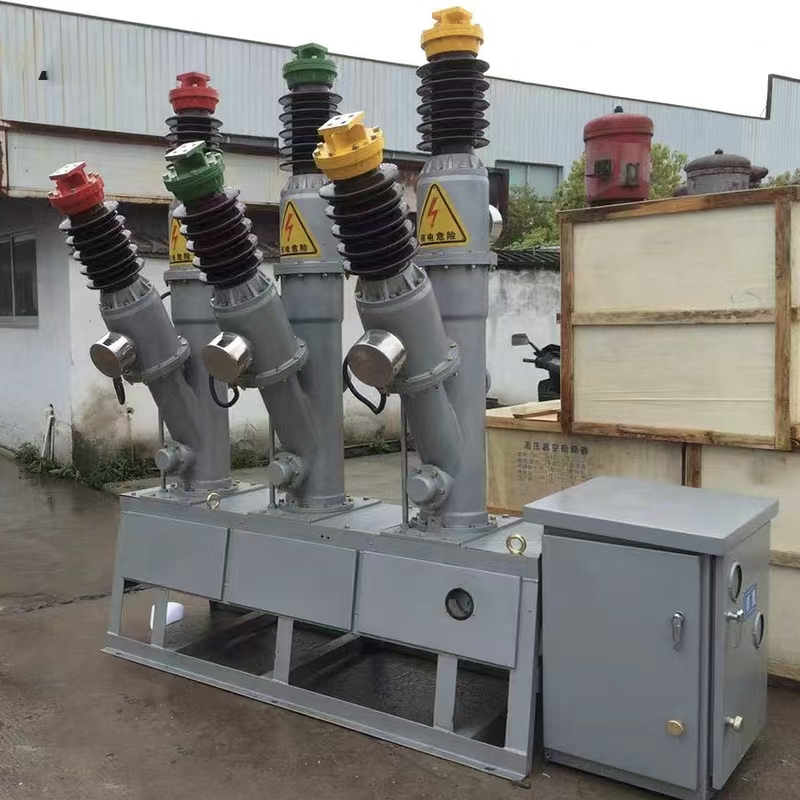
A dry type transformer requires a carefully coordinated system of protection devices to operate reliably and safely within industrial and commercial electrical networks. These protection mechanisms work together to detect faults, isolate problems, and prevent cascading failures that could damage equipment or create safety hazards. Understanding which devices are commonly coordinated with this equipment is essential for plant engineers, facility managers, and electrical professionals who design or maintain power distribution systems.
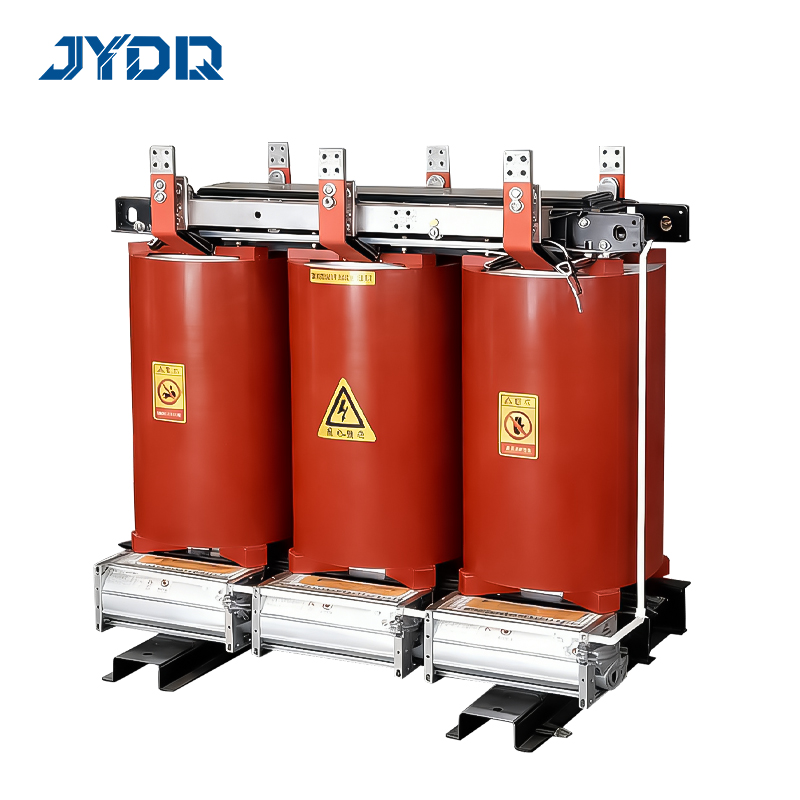
Transformer protection is not a single device function but rather a coordinated strategy involving multiple layers of detection and response. The primary challenge is balancing sensitivity to genuine faults against tolerance for normal inrush currents and temporary load surges. Effective transformer protection requires that each device operate within specific time and current parameters, ensuring that the closest protective element isolates a fault before upstream devices respond. This coordination principle is fundamental to breaker coordination in modern electrical systems.
Understanding Transformer Protection Principles
Core Function of Protection Devices
Protection devices safeguard a dry type transformer by monitoring electrical conditions and responding to abnormal situations before permanent damage occurs. Each device serves a distinct role: some detect overcurrent conditions, others respond to temperature rises, and still others handle short-circuit events. For transformer protection to be effective, these devices must communicate through their operating characteristics, creating a selective isolation strategy where only the faulted circuit is removed from service.
The coordination process begins with understanding the transformer's nameplate rating, including kilovolt-ampere capacity, voltage levels, and impedance. Engineers then calculate fault currents at various points in the system and set protective relay and breaker coordination parameters accordingly. This ensures that transformer protection responds proportionally to the severity of the fault without unnecessary nuisance trips during normal operation.
Why Coordination Matters
Without proper breaker coordination, multiple protective devices might operate simultaneously during a fault, or worse, upstream devices might open while downstream protection fails to clear the problem. This creates network instability and increases risk of equipment damage. Coordinated transformer protection ensures that the device closest to the fault operates first, limiting damage and maintaining system continuity for unaffected portions of the network.
Primary Protection Devices for Dry Type Transformers
Protective Relays and Their Coordination
Protective relays are the intelligent foundation of transformer protection schemes. A relay monitors current, voltage, and sometimes temperature signals, then initiates a tripping signal to circuit breakers when fault conditions are detected. The most common relay type used for transformer protection is the overcurrent relay, which measures load current and responds when it exceeds a preset threshold. These relays must be coordinated with downstream devices to ensure selective operation during faults.
Differential relays represent an advanced form of relay technology specifically designed for transformer protection. They compare current entering the transformer against current leaving it; any significant difference indicates an internal fault. Differential protection is highly selective because it responds only to faults within the protected zone, not to external faults elsewhere in the system. When a relay detects a fault condition, it sends a signal that trips the associated breaker, interrupting power flow to isolate the faulted circuit.
Circuit Breakers and Selective Isolation
Circuit breakers serve as the final mechanical link in transformer protection, physically interrupting current flow when signaled by protective relays or when their built-in overload sensors respond directly. The breaker coordination strategy requires that breakers be sized and calibrated to the transformer and system conditions. Downstream breakers must open faster than upstream breakers for the same fault current, creating a time-selective coordination curve.
Modern circuit breakers include instantaneous trip elements and time-delay trip elements, allowing engineers to establish precise coordination windows. The breaker must carry the transformer's full load current plus normal inrush surge during energization, yet respond decisively to actual fault conditions. Coordinating multiple breakers requires detailed study of system impedance, fault calculations, and careful setting of trip curves to ensure the nearest breaker operates first.
Additional Coordination Elements and Integration
Temperature Monitoring and Thermal Protection
Dry type transformers include integral temperature sensors that coordinate with protection systems to prevent thermal damage. Winding temperature monitors trigger alarm signals at lower thresholds and can initiate breaker trips at high-temperature setpoints. This thermal protection complements electrical protection by addressing overload conditions that may not generate large overcurrents but could gradually degrade transformer insulation and shorten equipment life.
Temperature-based transformer protection is particularly important in industrial applications where load profiles are unpredictable or where transformers operate near rated capacity. Coordinating thermal relays with electrical protection ensures that overheated conditions are addressed through load shedding or breaker operation before catastrophic failure occurs. The time-delay characteristic of thermal protection creates natural coordination with faster-acting electrical relay elements.
Surge Protection and Voltage Coordination
Transformer protection extends beyond current monitoring to include voltage surge protection through arresters and coordinated insulation levels. Surge arresters divert transient overvoltages to ground, protecting the transformer's insulation from lightning strikes and switching transients. While arresters are not breaker coordination elements, they work alongside electrical protection to create a comprehensive transformer protection framework. The overall strategy coordinates all protection layers to address every failure mode a dry type transformer might encounter.
Effective breaker coordination in modern electrical systems requires that engineers understand how each protection device contributes to overall system reliability. For a dry type transformer, this coordination extends from high-voltage source protection down through each distribution level, with each layer's protective relay and breaker settings configured to ensure selective, sequential operation during faults. This multi-layer approach minimizes downtime and prevents widespread equipment damage.
FAQ
What is the most important protection device for a dry type transformer?
Differential protection, when available, provides the most selective and sensitive protection because it responds only to faults within the transformer itself. However, overcurrent relay protection coordinated with appropriately sized circuit breakers serves as the standard protective approach for most dry type transformer installations. The specific protection scheme depends on the transformer's role in the system, its electrical rating, and applicable industry standards.
How does relay coordination prevent nuisance trips?
Protective relay coordination uses time-delay characteristics and current threshold settings to distinguish normal transient conditions from genuine faults. During transformer energization, inrush current is typically large but brief; coordinated relays use inverse time characteristics that tolerate this surge. Time-delay elements allow transient events to settle while ensuring that sustained fault currents trigger immediate protection. Proper relay tuning prevents unnecessary breaker operations that could disrupt production or cascade into larger system problems.
Why is breaker coordination essential in transformer protection?
Breaker coordination ensures that when a fault occurs, only the protective device closest to that fault opens, isolating the problem without affecting other parts of the electrical system. If upstream breakers open first or if multiple breakers operate simultaneously, the fault may not be properly cleared and other loads lose power unnecessarily. Coordinated breaker settings create a selective protection strategy where each device knows its role and timing, maintaining system stability and reliability during fault events.

 EN