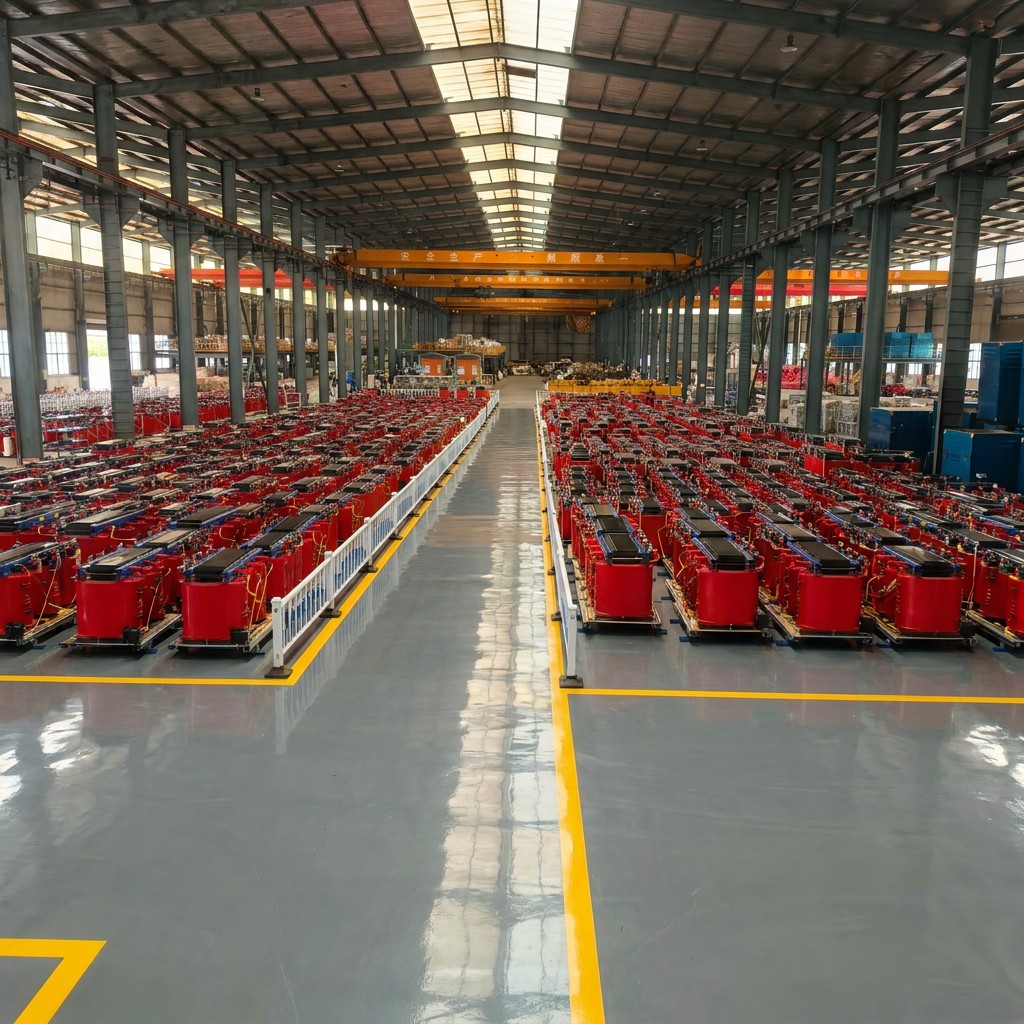
Selecting the appropriate enclosure for a dry-type transformer installation is a critical decision that directly impacts safety, performance, and operational longevity. The enclosure serves as the primary defense mechanism against environmental contaminants, mechanical damage, and unauthorized access, making the selection process far more than a simple purchasing exercise. A well-chosen transformer enclosure protects your equipment investment while ensuring compliance with electrical codes and industry standards, ultimately reducing maintenance costs and downtime across your facility.
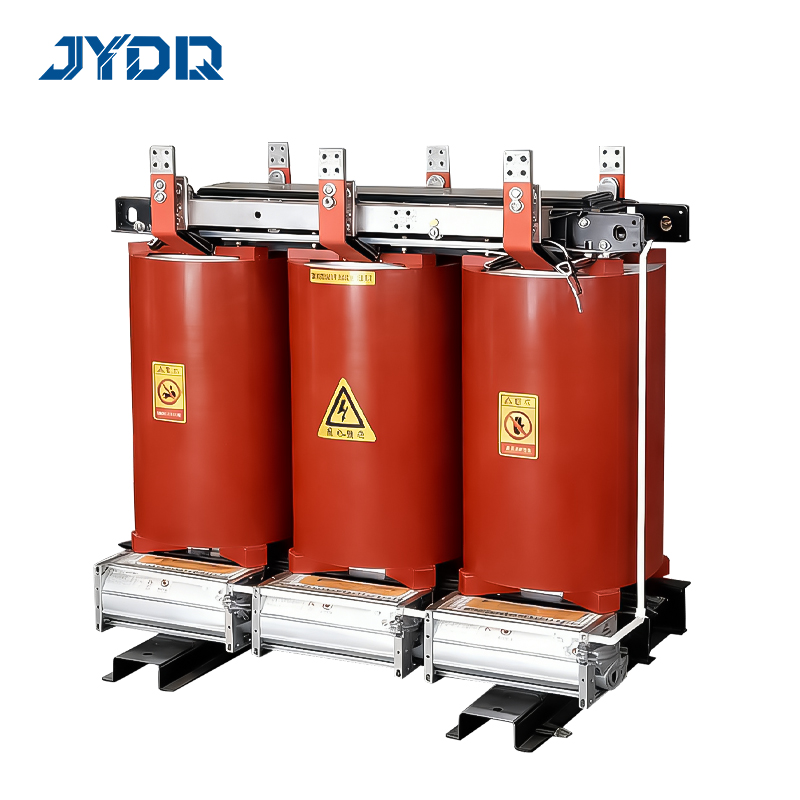
When planning an indoor installation, understanding the relationship between your specific operational environment and enclosure specifications becomes essential. Environmental factors such as temperature fluctuations, humidity levels, dust concentration, and chemical exposure all influence which protection rating and material composition will deliver reliable transformer enclosure performance. This guide walks through the key decision criteria, helping you navigate specifications, ratings, and practical considerations to ensure your dry-type transformer operates safely and efficiently within its intended setting.
Understanding Environmental Requirements and Protection Ratings
Assessing Your Installation Environment
The first step in choosing a transformer enclosure involves thoroughly evaluating your facility's environmental conditions. Indoor installation environments vary significantly—a climate-controlled office building presents vastly different challenges than a manufacturing plant with heavy dust, moisture, or chemical vapors. Before specifying protection requirements, document baseline conditions including ambient temperature range, relative humidity, presence of corrosive substances, dust levels, vibration intensity, and potential for water ingress. This environmental audit directly determines which protection rating and material specification will keep your dry-type transformer operating reliably and extends the service life of critical components.
Interpreting IP and NEMA Ratings
Protection ratings define exactly what hazards an enclosure guards against. IP (Ingress Protection) ratings use two digits where the first indicates solid particle protection and the second specifies liquid resistance. NEMA (National Electrical Manufacturers Association) ratings provide more comprehensive environmental specifications common in North American installations. For typical indoor installations requiring protection from accidental contact and light dust, IP54 or NEMA 3R ratings offer adequate defense. Facilities with significant moisture, corrosive atmospheres, or extreme temperature swings may require higher ratings like IP65 or NEMA 4X. Understanding these standards ensures your transformer enclosure selection aligns with genuine environmental threats rather than over-specifying features you don't need or under-protecting against actual risks.
Material Selection and Thermal Performance Considerations
Choosing Between Steel, Aluminum, and Specialized Materials
The base material of your transformer enclosure fundamentally affects durability, thermal management, and maintenance requirements. Steel enclosures offer excellent mechanical strength and cost-effectiveness but require protective coatings to resist corrosion in chemically aggressive environments. Aluminum provides natural corrosion resistance and lighter weight, making installation easier in space-constrained facilities, though it demands careful design to prevent galvanic corrosion when mixed with other metals. Some specialized applications benefit from stainless steel or composite materials that deliver superior chemical resistance. Your material choice for the transformer enclosure must balance initial cost against long-term maintenance expenses and the specific corrosive or abrasive substances present in your installation environment.
Managing Heat Dissipation and Ventilation
Dry-type transformers generate heat during normal operation, and improper enclosure ventilation leads to accelerated component degradation and reduced transformer lifespan. The enclosure design must accommodate adequate airflow without compromising protection ratings. Sealed designs suitable for dusty environments may restrict natural convection, requiring engineered ventilation solutions or forced-air cooling systems. Your transformer enclosure selection should include thermal analysis confirming that internal temperatures remain within acceptable operating ranges even during peak load conditions. Undersizing ventilation capacity creates a false economy—higher operating temperatures increase failure risk and reduce the transformer's useful life, ultimately exceeding any initial savings from selecting a cheaper, poorly-ventilated enclosure.
Installation Logistics, Safety Compliance, and Long-Term Maintenance Access
Planning for Installation and Future Maintenance
Beyond environmental protection, your transformer enclosure must facilitate safe installation and enable routine maintenance without excessive operational disruption. Consider doorway dimensions, elevator access, and maneuvering space when evaluating enclosure size and configuration. The design should incorporate removable panels or access ports allowing internal inspection, cooling element cleaning, and component replacement without complete disassembly. For indoor installation in busy facilities, specifying an enclosure with excellent accessibility reduces maintenance time and labor costs while minimizing safety risks to personnel. Additionally, clearly labeled warning signs, grounding provisions, and safety interlocks integrated into the transformer enclosure design prevent accidental contact with energized components and comply with electrical safety standards.
Regulatory Compliance and Documentation
Electrical codes, building regulations, and facility insurance requirements establish mandatory specifications for transformer enclosure selection. Local jurisdictions may demand specific IP ratings, grounding methods, fire-rating performance, or spacing clearances around the installation. Before finalizing your dry-type transformer enclosure choice, consult applicable electrical codes, coordinate with your facility's safety officer, and verify that selected equipment holds required certifications and testing documentation. Compliance verification during the selection phase prevents costly project delays, ensures your installation passes inspections, and protects your organization from liability issues. Reputable suppliers provide comprehensive technical documentation, certification records, and design guidance supporting regulatory compliance throughout the transformer enclosure specification process.
FAQ
What protection rating do most indoor industrial facilities need for their transformer enclosure?
Most standard indoor industrial installations require IP54 or NEMA 3R protection, which guards against light dust, splash, and accidental contact. Facilities with significant moisture, corrosive vapors, or specialized processes may need higher ratings like IP65 or NEMA 4X. Always evaluate your specific environmental conditions rather than defaulting to the highest available rating, as over-specification increases costs unnecessarily while potentially complicating thermal management for your dry-type transformer.
How does choosing the right transformer enclosure affect operational costs?
A properly selected transformer enclosure directly minimizes long-term operational expenses by protecting your dry-type transformer from environmental degradation, reducing maintenance frequency, and extending equipment lifespan. Poor enclosure selection leads to premature component failure, increased repair costs, unexpected downtime, and potential safety incidents. The upfront investment in appropriate protection and thermal design typically delivers substantial savings over the equipment's operational lifetime, making enclosure selection a strategic financial decision beyond simple procurement.
Can an enclosure designed for one environment be safely used in a different facility?
No—a transformer enclosure specified for a different environment may provide inadequate protection for your specific conditions. Facilities differ significantly in temperature stability, humidity, dust levels, and chemical exposure, each demanding distinct protection strategies. Reusing an enclosure from another installation without thoroughly assessing your current environment risks compromised protection, inadequate thermal management, and potential regulatory non-compliance. Always conduct a fresh environmental evaluation and specification process for each dry-type transformer installation to ensure safety and reliability.

 EN