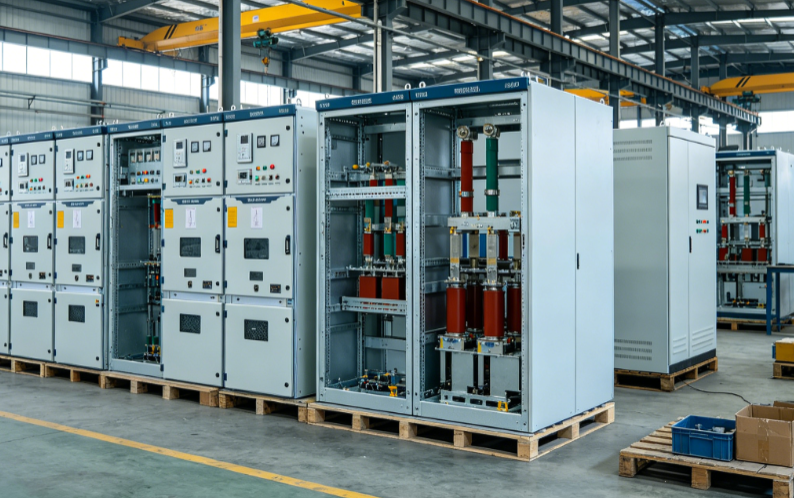
Selecting the right electrical switching equipment is critical for industrial operations, and understanding the differences between configuration types can significantly impact system performance and reliability. A vacuum circuit breaker serves as a fundamental component in medium-voltage power distribution networks, and the choice between VS1 and outdoor VCB designs directly influences maintenance requirements, environmental resilience, and operational costs.
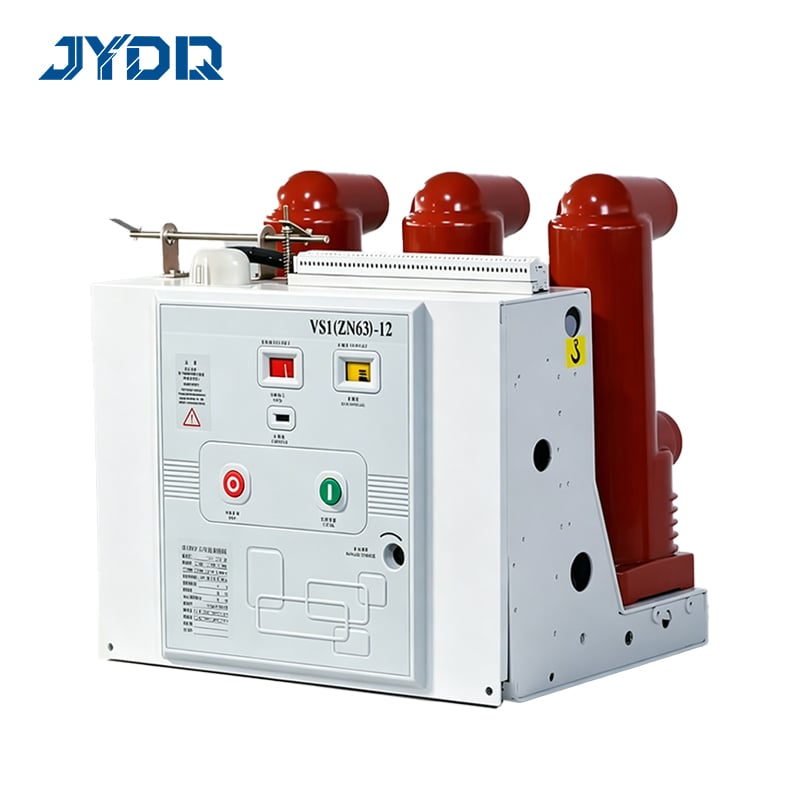
Understanding how these breaker configurations differ helps electrical engineers and facility managers make informed decisions about infrastructure upgrades and replacements. Both VS1 and outdoor VCB designs use vacuum interrupters to extinguish arcs efficiently, yet their structural approaches, environmental ratings, and installation contexts vary substantially. This comparison guide explores the technical distinctions, application scenarios, and practical considerations that should guide your selection process.
Understanding VS1 Configuration Design
Core Characteristics and Operating Principles
The VS1 breaker represents a specific indoor-rated vacuum circuit breaker architecture optimized for controlled environments within substations and power plants. This configuration emphasizes compact dimensions, streamlined maintenance access, and standardized panel integration without requiring extensive weatherproofing systems. The VS1 design typically incorporates epoxy-insulated cast resin housings that provide electrical insulation while remaining cost-effective for facilities with climate-controlled operating conditions.
VS1 vacuum circuit breaker models operate with rated voltages generally between 6kV and 12kV, making them suitable for secondary switching applications and backup protection in industrial distribution networks. The mechanism uses vacuum interrupters as the primary arc-quenching medium, eliminating the need for SF6 gas or oil-based interruption systems that require specialized disposal and maintenance protocols. Operating coils in VS1 configurations typically feature lower power consumption compared to traditional oil circuit breakers, reducing continuous operational costs.
Installation Environment and Maintenance Requirements
VS1 breaker installations assume protected indoor environments with stable temperature ranges and controlled humidity levels. These configurations do not incorporate advanced sealing against dust ingress, salt spray, or extreme moisture because indoor substations maintain environmental stability through HVAC systems and protective building structures. Maintenance intervals for VS1 equipment focus on mechanical wear monitoring and contact condition assessment rather than corrosion prevention or environmental degradation mitigation.
Personnel working with VS1 breaker systems benefit from easier troubleshooting due to standardized component layouts and accessible test points within enclosed panel designs. Replacement parts inventory requirements remain simplified because VS1 models follow consistent manufacturing standards across suppliers, reducing spare parts complexity and storage overhead for facility maintenance teams.
Outdoor VCB Configuration Specifications
Environmental Resilience and Weatherproofing
Outdoor VCB designs fundamentally differ by incorporating comprehensive environmental protection systems capable of withstanding direct weather exposure, temperature cycling, and corrosive atmospheric conditions. These outdoor vacuum circuit breaker installations use heavy-duty aluminum or stainless steel enclosures with advanced sealing mechanisms that prevent moisture intrusion and contamination of internal switching components. The outdoor VCB configuration includes heater systems that maintain optimal operating temperatures during sub-zero conditions, ensuring reliable performance across extended seasonal variations.
Outdoor VCB breaker systems employ multiple redundant gasket layers, drain channels, and ventilation ports specifically engineered to manage condensation and salt-laden air typical in coastal regions or industrial areas with heavy pollution. The vacuum interrupter housings in outdoor VCB designs receive additional protective coatings that resist ultraviolet degradation, preventing material brittleness and seal deterioration that can occur in continuously exposed outdoor environments. These reinforced specifications translate directly into extended service life and reduced unexpected failure rates compared to improperly rated indoor equipment deployed outdoors.
Application Scope and Performance Standards
Outdoor VCB configurations operate across voltage ranges similar to VS1 systems but excel in transmission substations, renewable energy installations, and utility switching stations where environmental exposure is unavoidable. These outdoor vacuum circuit breaker systems incorporate telecommunications interfaces and remote monitoring capabilities essential for distributed grid management and predictive maintenance programs. The outdoor VCB design philosophy prioritizes reliability under extreme conditions rather than compact panel integration, resulting in larger physical footprints but superior long-term operational stability.
Operating specifications for outdoor VCB breakers include environmental temperature ranges from minus forty to plus sixty degrees Celsius, altitude tolerances up to three thousand meters, and pollution category ratings appropriate for coastal salt spray and industrial particulate exposure. Dielectric strength testing requirements for outdoor VCB equipment exceed indoor standards, reflecting the elevated risk of contamination and surface tracking under continuous environmental stress.
Comparative Analysis and Selection Framework
Cost and Economic Considerations
Initial capital investment for VS1 breaker installations remains substantially lower than outdoor VCB alternatives because simplified environmental protection eliminates expensive materials and weatherproofing subsystems. However, total cost of ownership analysis often reveals hidden expenses associated with premature failure, emergency replacements, and operational disruptions when indoor-rated equipment operates in environmental conditions beyond design specifications. Organizations frequently underestimate long-term maintenance costs for incorrectly specified breakers, resulting in unexpected capital expenditures years after initial installation.
Outdoor VCB systems demand higher upfront investment but deliver predictable lifecycle costs through extended service intervals, reduced failure rates, and diminished emergency replacement frequency. The higher cost structure reflects robust engineering, advanced materials, and field-proven reliability under harsh environmental conditions. Facility managers comparing breaker options should develop complete financial models spanning fifteen to twenty-year equipment lifecycles rather than focusing exclusively on purchase price.
Application-Specific Decision Criteria
Selecting between VS1 and outdoor VCB configurations requires clear assessment of installation environment, expected operational stresses, and available maintenance infrastructure. Indoor industrial facilities with climate control, predictable operational loads, and trained maintenance personnel typically justify VS1 breaker deployment. Conversely, utility substations, renewable energy systems, and industrial plants with outdoor equipment exposure require outdoor VCB configurations despite higher initial costs.
Environmental factors including coastal salt spray, industrial pollution, temperature extremes, and altitude significantly influence configuration suitability. Organizations should conduct environmental audits incorporating humidity monitoring, atmospheric composition analysis, and temperature trend documentation before finalizing breaker specifications. Mismatched equipment specifications represent a false economy, generating operational risks, regulatory compliance concerns, and financial penalties that far exceed the cost differential between properly and improperly specified vacuum circuit breaker systems.
FAQ
What distinguishes VS1 breaker design from outdoor VCB systems?
VS1 breakers prioritize compact indoor installation with simplified environmental assumptions, while outdoor VCB systems incorporate extensive weatherproofing, corrosion resistance, and temperature management systems. The vacuum circuit breaker interrupt mechanism remains similar, but environmental protection differs fundamentally to match deployment context and expected exposure conditions.
Can VS1 breakers operate reliably in outdoor installations?
VS1 breaker performance degrades rapidly when deployed outdoors because internal components lack weatherproofing for moisture, salt spray, and temperature cycling. Attempting outdoor use invalidates manufacturer warranties and creates safety liabilities. Outdoor VCB configurations must be specified for outdoor applications to ensure regulatory compliance, operational reliability, and legal protection.
How do maintenance requirements differ between VS1 and outdoor VCB designs?
VS1 breaker maintenance focuses on mechanical wear monitoring and contact inspection in controlled environments. Outdoor VCB systems require additional environmental sealing verification, heater system testing, and corrosion prevention protocols. Outdoor VCB breaker maintenance complexity reflects environmental protection complexity, requiring specialized training and extended service intervals for comprehensive environmental seal inspections.

 EN