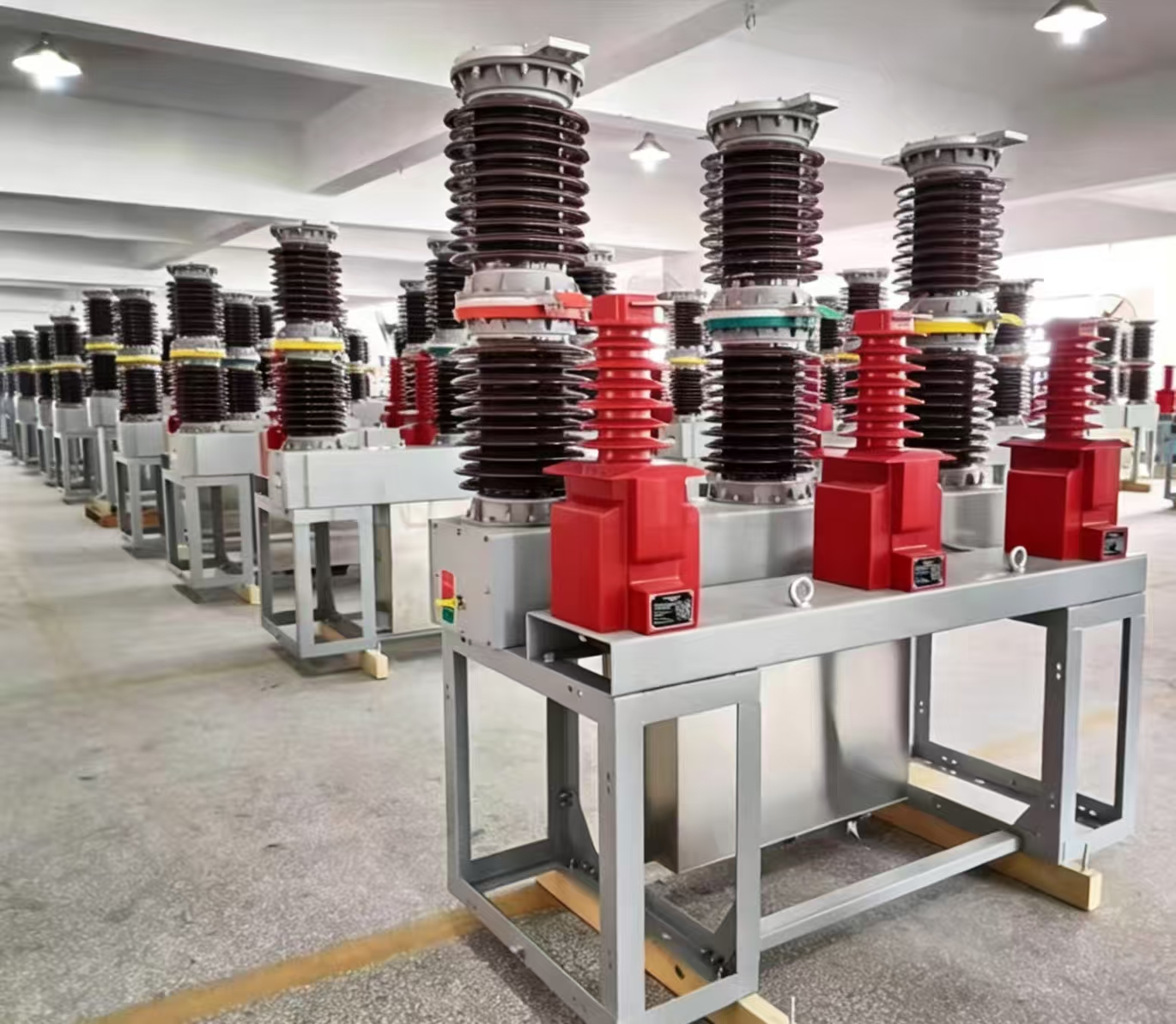
An oil immersed transformer represents one of the most critical assets in electrical distribution networks, and its reliability depends heavily on systematic planning and execution of oil testing programs. Routine oil testing serves as the foundation of effective preventive maintenance strategies, enabling operators to detect emerging issues before they escalate into costly failures. Without a structured approach to oil testing and inspection, even well-designed transformers face premature degradation and unexpected downtime.
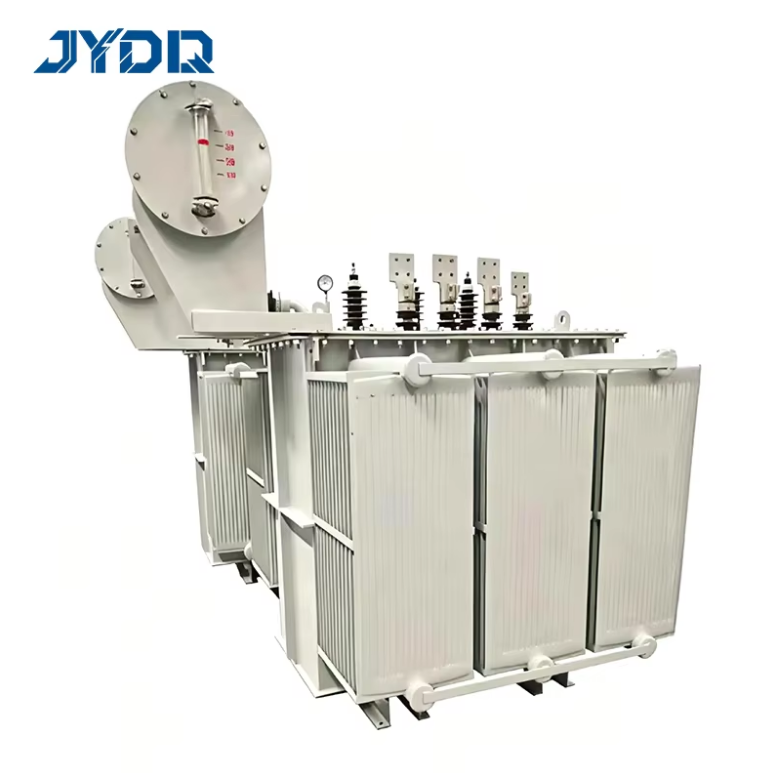
Planning routine oil testing requires understanding the relationship between transformer operating conditions, oil degradation mechanisms, and testing frequency recommendations. This guide walks through the essential framework for developing a comprehensive oil testing schedule that keeps your oil immersed transformer operating safely and efficiently throughout its service life.
Understanding Oil Testing Requirements for Transformers
Why Oil Testing Matters in Preventive Maintenance
Oil serves multiple critical functions within an oil immersed transformer: it provides electrical insulation, acts as a cooling medium, and offers mechanical protection to internal components. As the transformer operates, the oil gradually degrades due to temperature exposure, oxidation, moisture ingress, and chemical reactions triggered by electrical stress. Oil testing forms the cornerstone of preventive maintenance by measuring this degradation and alerting operators to potential problems before catastrophic failure occurs.
The degradation of transformer oil directly correlates with transformer aging and reduced lifespan. Through regular oil testing, operators gain visibility into the transformer's condition, enabling data-driven decisions about maintenance scheduling, component replacement, and risk mitigation. This proactive approach prevents sudden failures that disrupt operations and require emergency repairs costing significantly more than planned interventions.
Key Parameters for Oil Testing and Inspection
Comprehensive oil testing evaluates multiple parameters that collectively indicate transformer health. Moisture content reveals whether water has infiltrated the oil, which accelerates degradation and compromises insulation strength. Acid number measures the accumulation of organic acids produced during oil oxidation, indicating the oil's age and remaining useful life. Dielectric breakdown voltage tests the oil's electrical strength, a direct measure of its ability to withstand electrical stress within the transformer core.
Additional critical inspection parameters include color analysis, gas chromatography to detect dissolved gases indicating internal faults, and viscosity measurements affecting cooling efficiency. Particle contamination counts reveal whether internal wear or external contamination has entered the oil. Each parameter contributes essential information to the overall health assessment of your oil immersed transformer, allowing technicians to prioritize maintenance actions and allocate resources effectively.
Developing Your Oil Testing Schedule
Establishing Testing Frequency Based on Operating Conditions
Oil testing frequency depends on multiple factors, including transformer age, loading patterns, ambient environment, and historical performance data. New transformers or recently installed oil immersed transformer units typically require oil testing every two to three years during the initial service period to establish baseline conditions and verify proper operation. As transformers age, testing frequency often increases, with many utilities adopting annual oil testing schedules for transformers beyond ten years of service.
Transformers operating in challenging environments—such as locations with extreme temperatures, high humidity, or industrial pollution—benefit from more frequent oil testing and inspection protocols. Similarly, heavily loaded transformers or those with previous maintenance history warrant closer monitoring through increased testing frequency. Establishing a baseline through initial oil testing allows technicians to detect trends in oil degradation, triggering additional testing when results indicate accelerating deterioration or concerning parameter values.
Creating a Preventive Maintenance Plan
An effective preventive maintenance program integrates oil testing results with planned inspection activities and component maintenance. Start by documenting the transformer's nameplate data, installation date, historical performance records, and previous oil testing results. This foundation enables technicians to track long-term trends and identify patterns indicating specific failure modes or degradation mechanisms unique to your oil immersed transformer installation.
Establish clear protocols for conducting oil sampling, transporting samples to certified laboratories, and interpreting results within your organizational context. Define action thresholds that trigger specific maintenance responses—for example, moisture levels exceeding a certain threshold might prompt oil drying procedures, while acid number increases could indicate need for oil replacement. Coordinate oil testing schedules with other preventive maintenance tasks such as cooling system inspection, gasket examination, and winding resistance testing to maximize efficiency and minimize disruption.
Implementation and Documentation Strategies
Best Practices for Oil Sampling and Analysis
Proper oil sampling technique directly affects test accuracy and reliability of results. Samples must be drawn from representative locations within the transformer, typically from the main tank at mid-depth during normal operating temperature when oil circulation is active. Use clean sampling equipment and follow established procedures to prevent external contamination that would compromise results. Label samples clearly with transformer identification, sampling date, and location to ensure traceability and enable meaningful comparison across testing cycles for your oil immersed transformer.
Select laboratories certified to perform transformer oil testing according to relevant standards such as ASTM or IEC specifications. Communicate your specific concerns and the transformer's operating history to the laboratory, enabling technicians to focus analysis on parameters most relevant to your situation. Request detailed reports that not only provide numerical results but also include trend analysis, recommendations for further action, and confidence intervals for critical parameters.
Documenting Results and Tracking Trends
Maintain comprehensive records of all oil testing and inspection activities, creating a historical database that reveals how your oil immersed transformer's condition evolves over time. Develop tracking spreadsheets or use computerized asset management systems that automatically flag concerning trends or values exceeding acceptable ranges. This documentation becomes invaluable during troubleshooting when unexpected issues arise, providing context about the transformer's condition history and previous maintenance interventions.
Analyze multi-year trends to distinguish between normal aging patterns and accelerated degradation requiring intervention. Plotting moisture levels, acid numbers, and gas concentrations over time reveals whether the transformer is aging at expected rates or whether specific operating events or environmental changes have triggered more rapid deterioration. Use this analysis to refine your preventive maintenance strategy, adjusting testing frequency and maintenance interventions based on actual condition progression rather than generic schedules.
FAQ
How often should I conduct oil testing on my oil immersed transformer?
Oil testing frequency depends on transformer age, operating conditions, and historical results. New transformers typically require testing every two to three years, while transformers exceeding ten years of service generally need annual oil testing. High-stress environments or previously problematic equipment may warrant more frequent testing schedules. Review your specific transformer's operating profile and historical oil testing data with your maintenance team to establish appropriate frequency for your situation.
What are the most critical oil parameters to monitor during inspection?
The most critical parameters include moisture content, acid number, dielectric breakdown voltage, dissolved gas concentrations, color appearance, and viscosity. These parameters collectively indicate the oil's condition and the transformer's internal health. Moisture and acid number reveal aging and degradation rates, while gas concentrations can indicate specific fault types. Combining results from these parameters provides the most complete picture of your oil immersed transformer's condition and remaining service life.
How do I respond to concerning oil testing results?
Establish predetermined action thresholds before conducting oil testing, defining maintenance responses for different result scenarios. Slightly elevated parameters might warrant increased monitoring frequency or accelerated testing schedules. Significantly elevated values may trigger oil conditioning, drying procedures, or full oil replacement depending on the specific parameter and transformer condition. Consult your equipment manufacturer's guidelines and industry standards to align your preventive maintenance responses with best practices for maintaining your oil immersed transformer reliably.

 EN