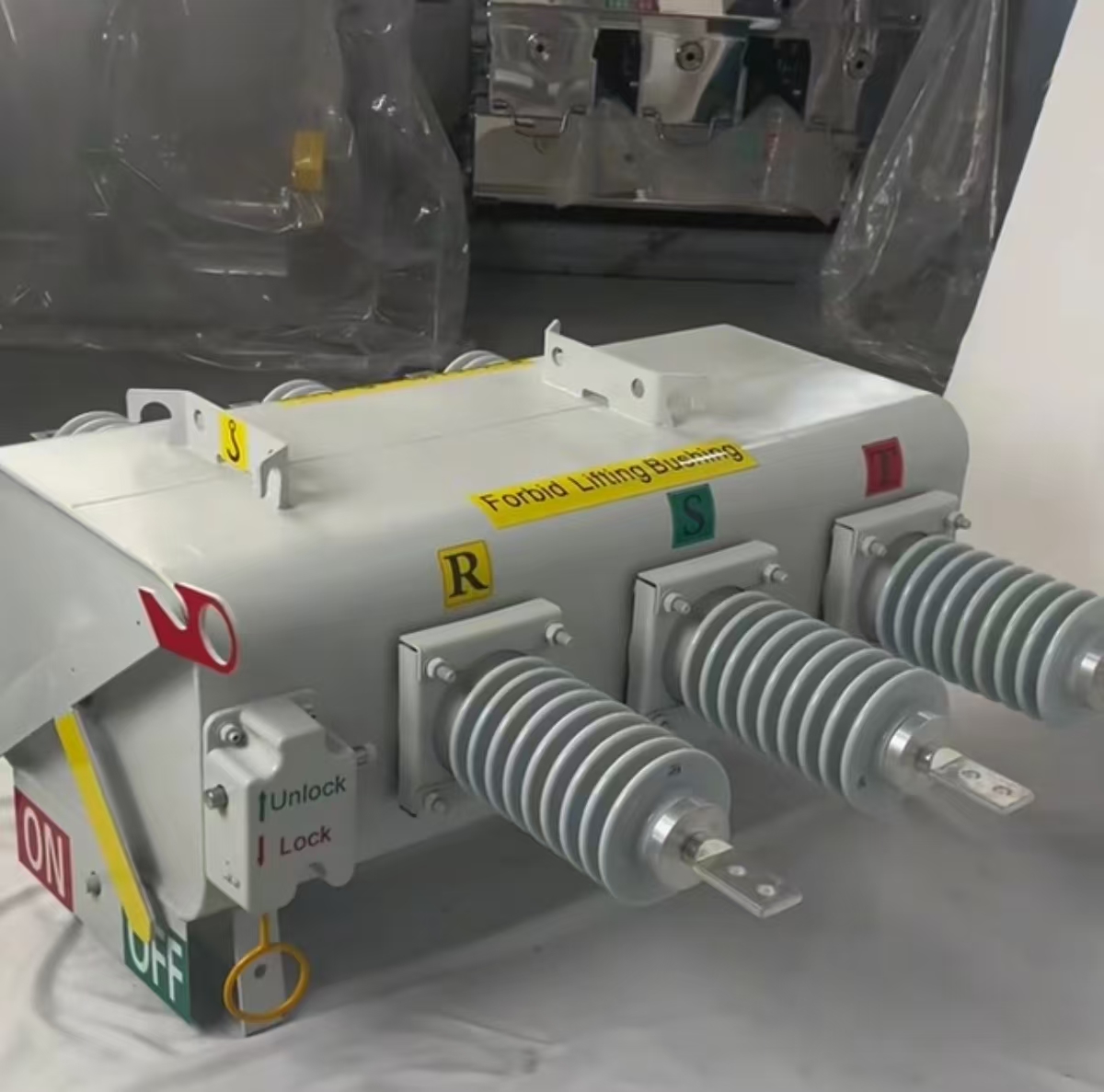
Protection relays are critical components that work in tandem with high-voltage switchgear systems to detect electrical faults and initiate rapid corrective responses. These intelligent devices continuously monitor voltage, current, and frequency across power networks, then signal the breaker within the high-voltage switchgear systems to open and isolate faulted sections before damage spreads. Understanding how protection relays operate within high-voltage switchgear systems is essential for electrical engineers, facility managers, and utility operators responsible for maintaining reliable and safe power distribution.
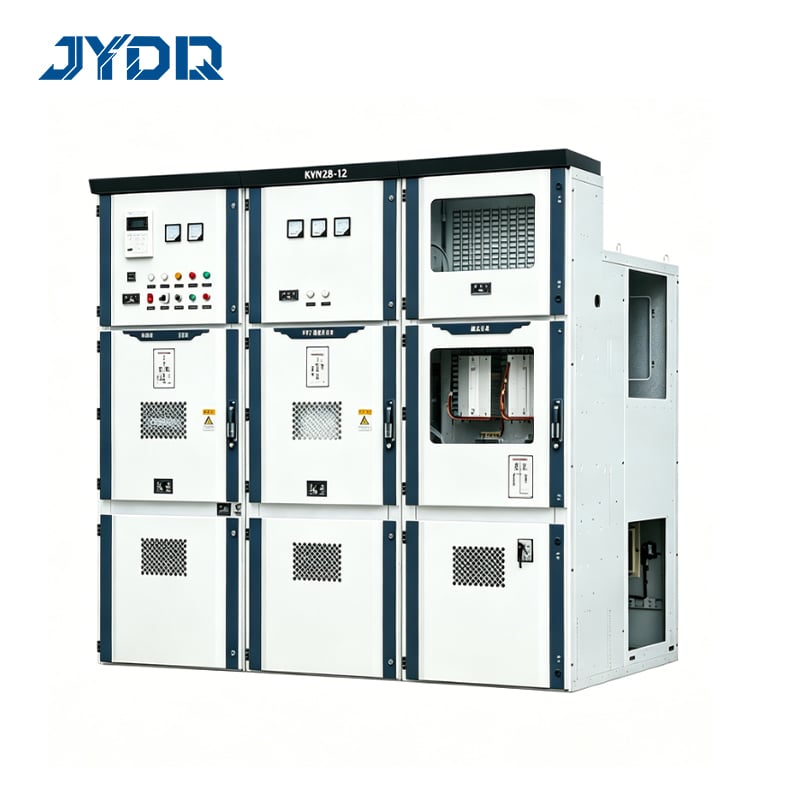
The integration of protection relays within high-voltage switchgear systems represents decades of electrical engineering refinement. Modern protection relay technology has evolved from mechanical designs to sophisticated microprocessor-based systems that offer faster response times, improved accuracy, and remote monitoring capabilities. This advancement ensures that electrical networks remain protected against transient faults, short circuits, and overload conditions that could otherwise cause equipment damage, service interruptions, or safety hazards.
Protection Relay Fundamentals and Detection Mechanisms
Core Functions of Protection Relays
A protection relay operates as the sensory nervous system of your electrical network, constantly evaluating real-time current and voltage data. When the relay detects abnormal conditions such as overcurrent, undercurrent, or phase imbalance, it sends a trip command to the breaker housed within the high-voltage switchgear systems. This instantaneous or time-delayed response isolates the affected circuit, preventing cascading failures and protecting connected equipment. The protection relay does not itself interrupt the current; instead, it triggers the breaker mechanism to perform that critical function.
Sensing and Measurement Technology
Modern protection relays use current transformers and voltage transformers to reduce actual line parameters to measurable levels safe for electronic circuits. These transformers maintain accuracy across the full operating range of the power system. The relay then compares measured values against preset thresholds, which engineers configure based on the specific characteristics of the distribution circuit and the equipment being protected. Coordination between multiple protection relays ensures that the breaker closest to a fault operates first, minimizing the outage area.
Coordination Logic Between Relays and Breakers
Selective Coordination Principles
Selective coordination determines which breaker trips when a fault occurs, ensuring that only the device nearest to the fault isolates it. This coordination strategy relies on precise time grading and current threshold settings across all protection relays in the network. A protection relay upstream will tolerate temporary faults that the downstream relay clears, then will only trip if the downstream breaker fails or the fault persists. This hierarchical response minimizes disruption to unaffected portions of the network and improves overall system resilience.
Interaction With High-Voltage Switchgear Breakers
Within high-voltage switchgear systems, the breaker is the ultimate power-interruption device, but it operates only when commanded by the protection relay. Relay contacts close to complete a trip circuit, which energizes a solenoid or tripping mechanism inside the breaker, causing it to open under the enormous electromagnetic forces present at high voltage. The speed of this coordination—typically occurring within 30 to 100 milliseconds—is critical because sustained arc faults can damage expensive equipment and endanger personnel. Modern digital protection relays communicate through fiber optics or copper conductors with the breaker trip coils, enabling faster and more reliable coordination.
Practical Application and Configuration in Power Systems
Setting and Calibration Requirements
Each protection relay protecting high-voltage switchgear systems must be carefully configured by qualified engineers who analyze the network topology, load profiles, and equipment ratings. The protection relay settings specify the current threshold, time delay, and special logic for different fault types. Overly sensitive settings risk false trips that disrupt service, while insensitive settings leave equipment vulnerable. Field testing and periodic verification ensure that the protection relay and breaker coordination remain valid as the power system evolves. Modern relay testing equipment simulates fault conditions to confirm that the protection relay will respond appropriately when real faults occur.
Remote Monitoring and Diagnostics
Contemporary high-voltage switchgear systems integrate intelligent protection relays equipped with Ethernet ports, serial interfaces, and cloud connectivity. These relays transmit real-time diagnostic data, including instantaneous currents, recent fault events, and maintenance alerts. Control room operators and remote engineers can review protection relay performance trends, adjust settings without physical site visits, and predict potential failures. This transparency enables proactive maintenance strategies that reduce unplanned outages and extend equipment life.
FAQ
Why must protection relay settings be coordinated with breaker interrupting ratings?
Protection relay settings determine when a fault signal is sent to the breaker, but the breaker must have sufficient interrupting capacity to safely handle that current level. If relay settings allow current to exceed the breaker's rating before the protection relay triggers, the breaker can fail to open safely or suffer permanent damage. Coordination between relay sensitivity and breaker capability ensures that every credible fault scenario remains within safe operating limits.
How does time grading improve coordination between multiple protection relays?
Time grading introduces deliberate delays in protection relay response times at each level of the distribution network. A downstream protection relay may clear a fault within 50 milliseconds, while an upstream relay waits 200 milliseconds before sending its trip signal to the breaker. This staggered approach ensures selective isolation of faulted sections. If the downstream breaker fails to open, the upstream protection relay eventually acts, providing a backup layer of protection.
What role does digitalization play in modern protection relay coordination?
Digital protection relays execute sophisticated algorithms that simultaneously analyze multiple current and voltage variables, enabling faster and more precise fault detection. They communicate with other relays and central control systems, coordinating breaker actions across extended networks in real time. Digital platforms also record historical fault data, allowing engineers to analyze incidents and continuously optimize high-voltage switchgear systems protection strategies.

 EN