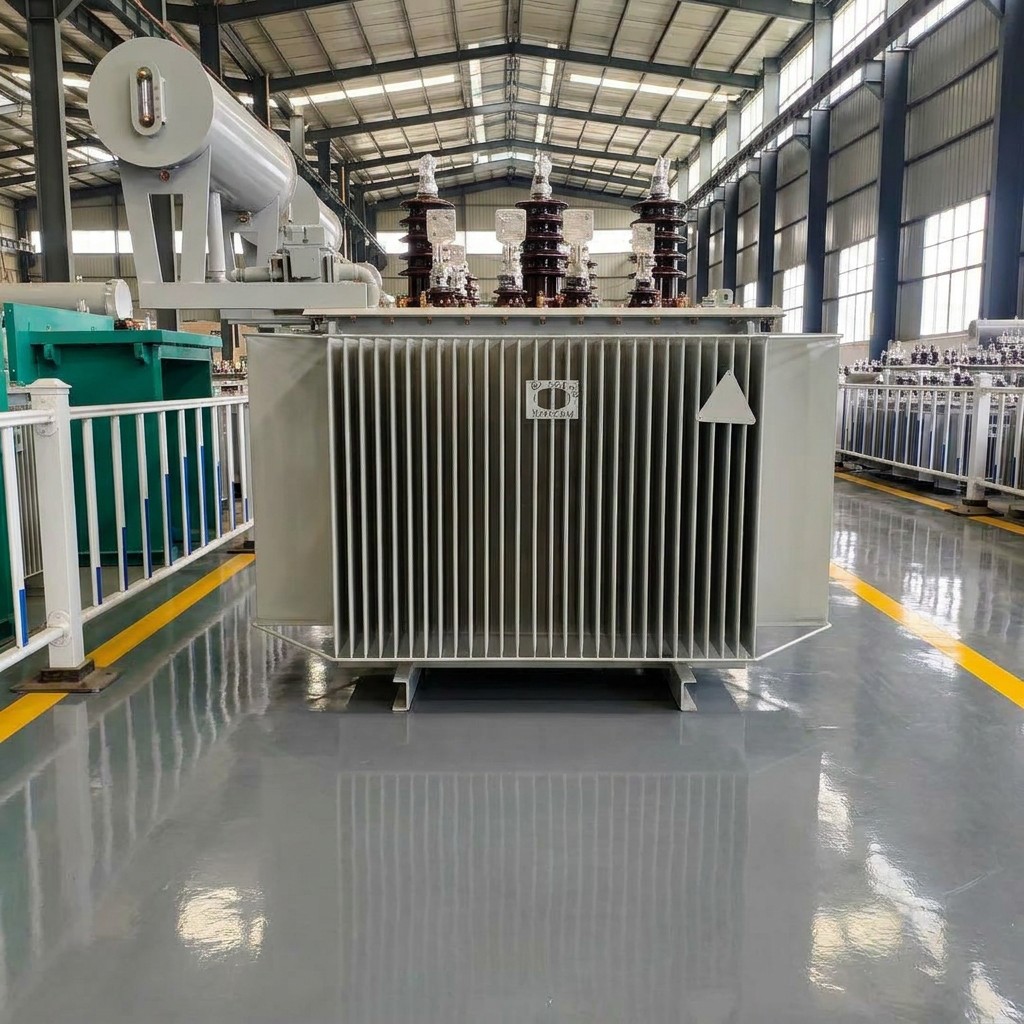
Selecting the right dry type transformer requires careful consideration of more than just your current electrical demands. Many facility managers and engineers focus on meeting today's power requirements and overlook a critical factor that can significantly impact long-term operational efficiency and cost-effectiveness: load growth. Understanding future load patterns and capacity planning principles before purchasing equipment ensures your investment remains viable and economical as your operation expands.
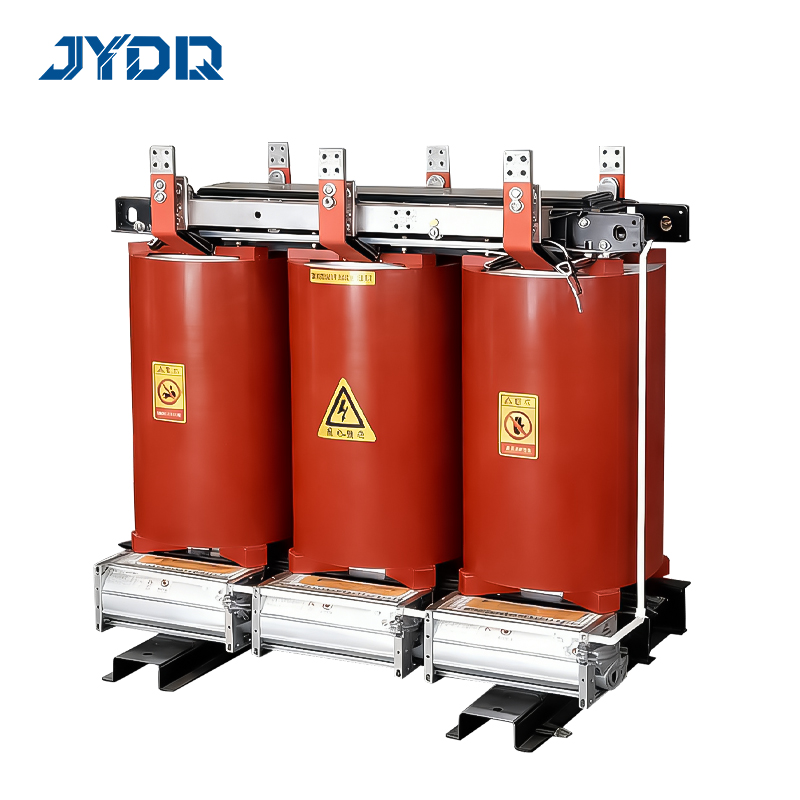
Load growth is not merely a theoretical concern—it represents the reality of expanding industrial operations, growing commercial facilities, and evolving energy demands. By integrating load growth analysis into your purchasing decision, you establish a foundation for power expansion that avoids costly equipment replacement, network reconfiguration, and operational disruptions. This forward-thinking approach aligns your transformer selection with realistic operational timelines and prevents undersizing failures that plague many organizations within their first five to ten years of operation.
Understanding Load Growth and Capacity Planning Fundamentals
What Load Growth Means in Transformer Selection
Load growth refers to the anticipated increase in electrical power consumption as your facility expands its operations, adds new equipment, or supports additional production lines. Unlike static load calculations that address only present requirements, load growth analysis projects future demand patterns based on business expansion plans, technological upgrades, and market growth trajectories. Capacity planning becomes the bridge between current needs and future reality, ensuring your transformer infrastructure can accommodate these increases without performance degradation or emergency replacement scenarios.
The relationship between current load and future load directly influences transformer sizing decisions. When engineers fail to account for realistic load growth, they inevitably face a dilemma: either operate transformers near maximum capacity—reducing efficiency and lifespan—or invest in additional equipment sooner than anticipated. Proper capacity planning prevents both outcomes by aligning transformer specifications with a realistic five to ten-year operational projection, creating operational headroom for power expansion without sacrificing current performance.
Why Manufacturers Design Multiple Ratings
Manufacturers produce dry type transformers in a wide range of kVA ratings precisely because load growth and capacity planning requirements vary significantly across industries and facility types. A 500 kVA unit serves different operational needs than a 1000 kVA model, yet both remain undersized if future load demands exceed their capacity. By offering standardized sizing options, manufacturers enable engineers to match transformer specifications to anticipated power expansion scenarios rather than forcing compromises between cost and future requirements.
Evaluating Your Future Load Requirements
Calculating Load Growth Percentages for Capacity Planning
Accurate capacity planning begins with quantifying expected load growth across your operational timeline. Most industrial facilities experience annual load growth ranging from 3 to 8 percent, while some data centers and specialized operations may see significantly higher increases. To establish realistic projections, analyze historical consumption data, review business expansion plans, document new equipment installations scheduled for the coming years, and assess industry trends affecting your operational sector. This data-driven approach transforms load growth from speculation into measurable planning criteria for your transformer purchase.
Once you establish baseline load growth rates, apply these percentages across your planning horizon—typically five to ten years for transformer selection decisions. For example, a facility currently requiring 400 kVA with an anticipated 5 percent annual load growth will need approximately 510 kVA capacity after eight years. Rather than purchasing a 400 kVA dry type transformer that becomes inadequate by year six, capacity planning logic recommends selecting a unit rated for 600 kVA or higher, providing adequate headroom for power expansion without oversizing to wasteful levels.
Industry-Specific Load Growth Patterns
Different industries exhibit distinct load growth characteristics that significantly influence capacity planning strategies. Manufacturing operations often experience steady 3 to 5 percent annual load growth as production capacity increases. Healthcare facilities and data centers frequently encounter more aggressive 7 to 12 percent annual increases driven by technological expansion and service demand. Retail and commercial properties typically see moderate 2 to 4 percent growth related to facility expansion. Understanding your industry's typical patterns provides essential context for setting realistic capacity planning benchmarks and selecting an appropriately sized dry type transformer that won't become problematic during power expansion phases.
Selecting Transformers with Future Load Considerations
Right-Sizing Strategy Beyond Current Needs
Effective capacity planning requires moving beyond simple present-tense sizing calculations toward strategic right-sizing that acknowledges future load requirements. Rather than selecting the smallest transformer that handles current demand, establish a sizing approach that prioritizes operational sustainability across your anticipated planning horizon. A dry type transformer operating at 60 to 75 percent of rated capacity delivers optimal efficiency, cooling performance, and equipment lifespan—significantly superior to units running continuously near maximum capacity. This operational comfort zone becomes achievable only when capacity planning incorporates realistic load growth projections.
Strategic transformer selection also considers modularity and the feasibility of installing parallel units during power expansion phases. Selecting initial equipment rated for 70 to 80 percent of your ten-year projected load creates operational flexibility: the transformer runs efficiently today while remaining viable throughout your anticipated growth period. When load eventually approaches rated capacity, adding a second dry type transformer unit requires minimal infrastructure modification compared to replacing undersized equipment entirely. This staged capacity approach aligns equipment purchases with actual business growth rather than forcing large upfront capital expenditures.
Integration with Power Distribution Planning
Capacity planning extends beyond transformer selection to encompass your entire power distribution infrastructure. When selecting a dry type transformer without considering future load and power expansion implications for switchgear, cabling, and protective equipment, you create bottlenecks elsewhere in your electrical system. Professional capacity planning evaluates how transformer sizing decisions influence downstream infrastructure requirements, ensuring your complete power system can accommodate load growth without creating failure points at secondary components. This holistic approach prevents the frustrating scenario where your transformer has adequate capacity but distribution infrastructure cannot deliver the power efficiently.
FAQ
How do I determine the right load growth percentage for capacity planning?
Start by reviewing historical consumption data from your facility over the past three to five years, calculating the average annual percentage increase. Cross-reference this with industry benchmarks for your operational sector and documented business expansion plans. If historical data suggests 4 percent annual growth and your strategic plan projects significant facility expansion within five years, capacity planning logic recommends using 5 to 6 percent as your planning rate. Consulting with your electrical engineer ensures load growth assumptions align with your specific operational context and future load requirements.
Should I always buy the largest dry type transformer available?
No. Oversizing transformers wastes capital and reduces efficiency through no-load losses that persist regardless of actual power demands. Effective capacity planning targets 60 to 80 percent of rated capacity under normal operating conditions, creating operational headroom for load growth without excessive oversizing. This approach balances future load accommodation with economic efficiency, ensuring your dry type transformer serves operational needs throughout its anticipated lifespan while maintaining superior performance characteristics. A properly sized unit will eventually approach higher utilization levels as your facility grows, which remains preferable to purchasing excessive capacity immediately.
What happens if load growth exceeds my transformer's rated capacity?
Exceeding rated capacity creates multiple problems: reduced equipment lifespan through thermal stress, reduced efficiency, potential voltage regulation issues, and risk of catastrophic failure during peak demand periods. This scenario underscores why capacity planning before purchase matters critically. When load growth inevitably occurs, facilities that undersized their dry type transformer face emergency replacement costs, production disruptions, and potentially expensive infrastructure modifications. Installing parallel transformers addresses this situation but requires sufficient space, switchgear availability, and additional investment that could have been avoided through proper capacity planning at the initial purchase stage.

 EN