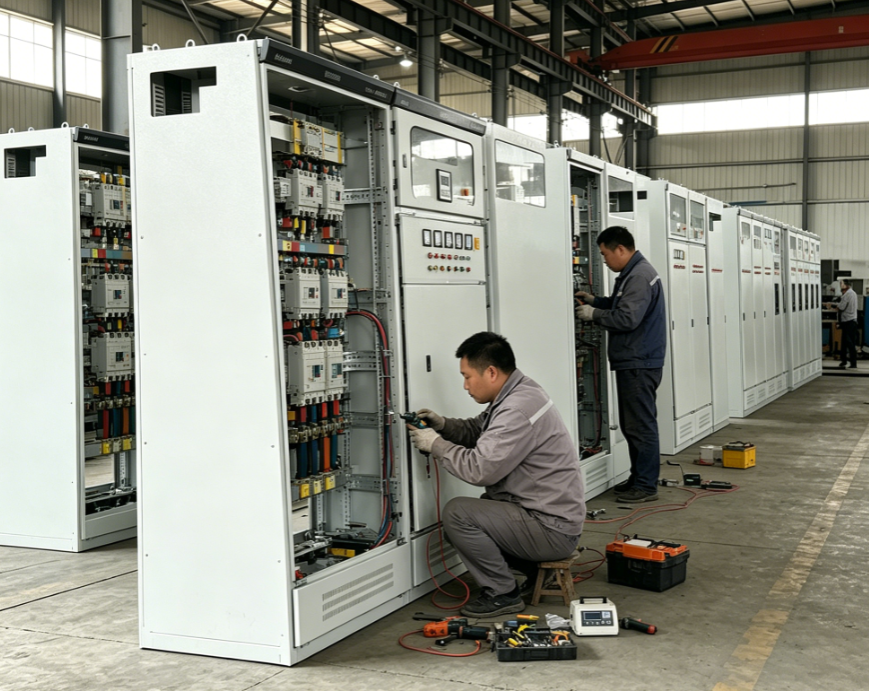
Vacuum circuit breakers have become the dominant choice in modern switchgear installations across industrial and utility applications worldwide. These devices represent a fundamental shift in how electrical systems protect networks and equipment from faults and overloads. Understanding their prevalence requires examining the technical advantages, operational reliability, and economic factors that make them indispensable in contemporary power distribution infrastructure.
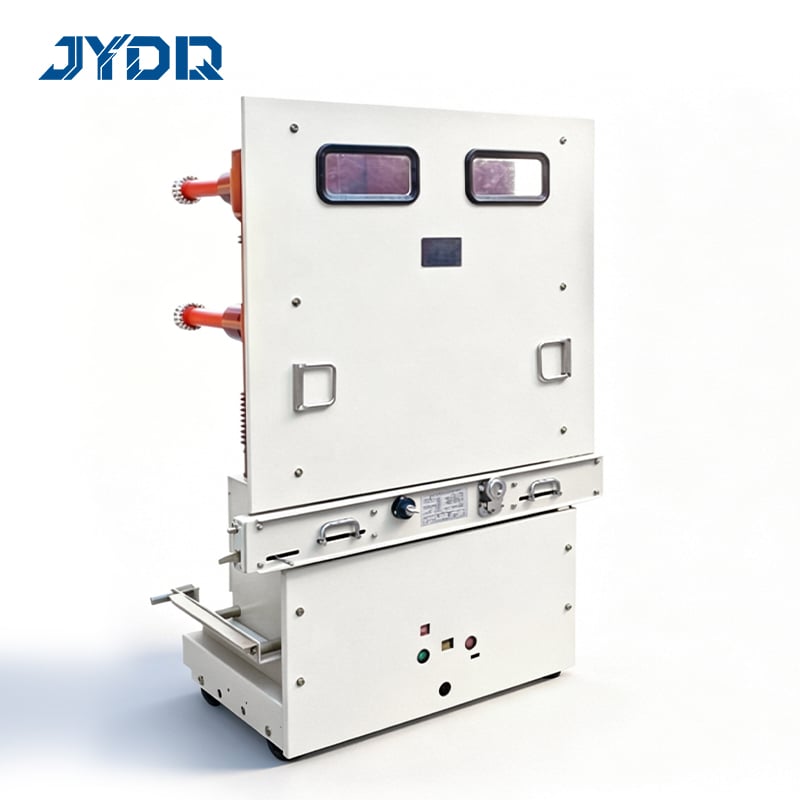
The adoption of vacuum circuit breakers in switchgear reflects decades of engineering evolution and market demand for superior performance. Medium voltage applications particularly benefit from the unique characteristics these devices deliver, making them the preferred solution for managing electrical loads reliably and safely.
Superior Arc Extinction and Safety Performance
How Vacuum Technology Eliminates Arc Hazards
Vacuum circuit breakers excel at extinguishing electrical arcs through a completely different mechanism than traditional oil or gas-insulated devices. When contacts separate inside a vacuum chamber, the arc that forms has nowhere to sustain itself because the vacuum environment contains virtually no ionizable molecules. This natural extinction process occurs rapidly, typically within a single half-cycle of the alternating current, preventing dangerous arc persistence that could damage equipment or create hazardous conditions.
The absence of explosive gases inside switchgear makes vacuum circuit breakers inherently safer for personnel and nearby equipment. Unlike SF6 or oil-based systems, vacuum interruption generates no pressurized gases that could rupture containment or contaminate the environment. This safety characteristic drives widespread adoption in facilities where workers operate near electrical equipment and environmental responsibility matters.
Extended Equipment Life and Reduced Maintenance
Vacuum circuit breakers demonstrate remarkable longevity because the vacuum environment prevents contact erosion caused by arcing in atmospheric conditions. Contacts in these devices remain smooth and dimensionally stable through thousands of switching cycles, far exceeding the service life of comparable alternatives. The contacts suffer minimal degradation whether handling normal load switching or short-circuit interruption, translating directly into extended equipment life and reduced replacement costs for switchgear operators.
Maintenance requirements for medium voltage switchgear equipped with vacuum interruption technology remain minimal compared to gas or oil-filled systems. No periodic fluid analysis, pressure monitoring, or replacement procedures interrupt operations. This straightforward maintenance profile reduces operational complexity and keeps electrical systems running with minimal downtime investment.
Economic Efficiency and Installation Advantages
Compact Design and Space Optimization
Vacuum circuit breakers occupy significantly less physical space than equivalent oil or SF6-insulated switchgear, enabling facilities to implement power distribution solutions within existing footprints. The superior insulation properties of vacuum eliminate the need for extensive spacing between components and ground planes. Switchgear manufacturers exploit this compactness to create intelligent, modular designs that fit modern industrial facilities where real estate commands premium value.
This dimensional advantage accelerates switchgear installation and reduces infrastructure costs substantially. Retrofit projects integrate medium voltage protection more readily when space constraints otherwise force expensive facility modifications. The compact profile of vacuum circuit breaker assemblies aligns perfectly with contemporary building standards and urban facility requirements.
Life-Cycle Cost Reduction
Initial acquisition costs for vacuum circuit breakers compare favorably to traditional alternatives, and total cost of ownership improves dramatically when accounting for operational expenses. No consumable fluids require periodic replacement, eliminating recurring material expenses throughout the equipment's service life. Energy efficiency in vacuum interruption processes means minimal heat generation and reduced cooling requirements in switchgear enclosures, lowering facility operational costs substantially.
Insurance and environmental compliance expenses decrease when facilities transition to vacuum technology for their switchgear. Hazardous fluid disposal costs disappear entirely, and liability exposure from potential environmental contamination incidents vanishes. These economic factors aggregate to create compelling justification for vacuum circuit breaker selection across industrial and utility power distribution networks.
Reliability in Demanding Power Distribution Environments
Performance Under Short-Circuit Conditions
Vacuum circuit breakers demonstrate exceptional reliability when interrupting short-circuit currents that would stress conventional switchgear severely. The vacuum environment reliably quenches even the most violent arcs generated during fault conditions, protecting downstream equipment and preventing cascading failures throughout the power distribution system. Medium voltage applications depend critically on this fault-interrupting capability, and vacuum technology delivers consistent, predictable performance across all current levels.
The repeatability of vacuum arc extinction ensures that each switching operation performs identically regardless of current magnitude or switching frequency. This consistency simplifies system design and allows engineers to optimize protective schemes with confidence that vacuum circuit breakers will respond predictably to electrical faults.
Environmental and Operating Condition Resilience
Vacuum circuit breakers operate reliably across extreme temperature ranges and in harsh industrial environments where moisture, dust, or chemical contamination would compromise traditional switchgear. The sealed vacuum chamber protects internal components from environmental degradation, ensuring decades of reliable service without performance deterioration. This resilience makes vacuum technology ideal for offshore platforms, mining operations, chemical processing facilities, and other demanding power distribution applications.
Altitude performance represents another critical advantage for vacuum circuit breakers in modern switchgear deployments. These devices maintain full interrupting capacity at high elevations where atmospheric pressure reduction would compromise gas-insulated alternatives, expanding their geographic applicability for utility and industrial power distribution networks.
FAQ
Why are vacuum circuit breakers preferred over oil-insulated switchgear?
Vacuum circuit breakers eliminate fire hazards, eliminate fluid disposal requirements, occupy less space, and require minimal maintenance compared to oil-insulated alternatives. The vacuum environment extinguishes arcs instantly and safely without the environmental risks and operational complexities associated with oil-filled switchgear systems.
Can vacuum circuit breakers handle medium voltage applications effectively?
Yes, vacuum circuit breakers excel in medium voltage power distribution applications up to 38 kV and beyond. Their superior arc extinction, compact design, and reliable short-circuit interrupting capability make them the standard choice for medium voltage switchgear in industrial facilities, utility substations, and renewable energy installations worldwide.
How do vacuum circuit breakers compare to SF6 gas-insulated switchgear?
Both technologies offer excellent performance, but vacuum circuit breakers provide environmental advantages by eliminating potent greenhouse gas emissions. Vacuum systems also require no gas handling or leak monitoring procedures, reduce maintenance complexity, and deliver superior long-term cost economics for power distribution applications.

 EN