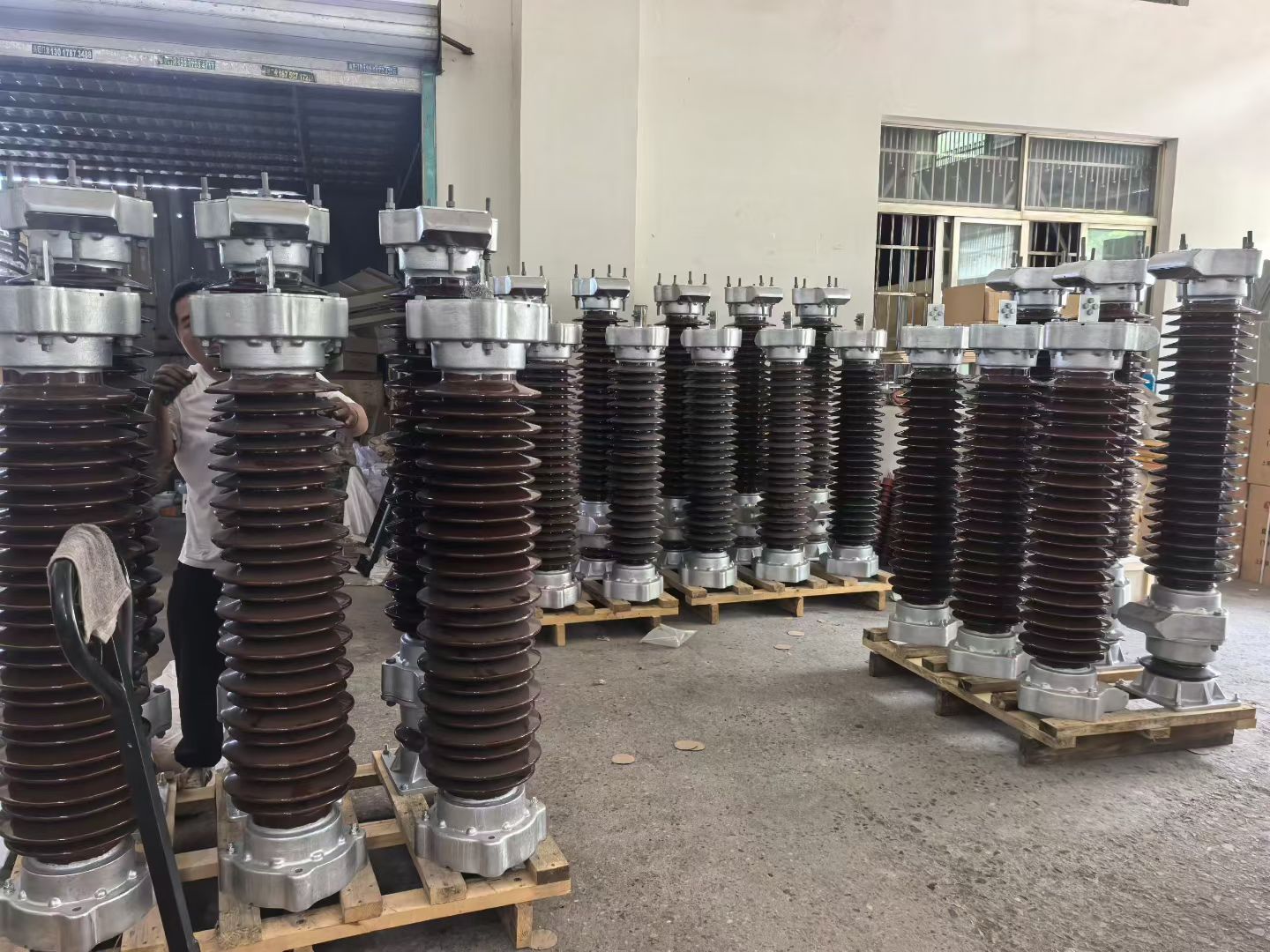
Selecting the right switchgear for an industrial project is a critical decision that directly impacts operational safety, efficiency, and long-term maintenance costs. Switchgear serves as the control and protection backbone of any industrial power distribution system, managing electrical loads and protecting equipment from faults and overloads. Understanding the essential factors involved in switchgear selection ensures your industrial project meets reliability standards while remaining cost-effective and compliant with industry regulations.
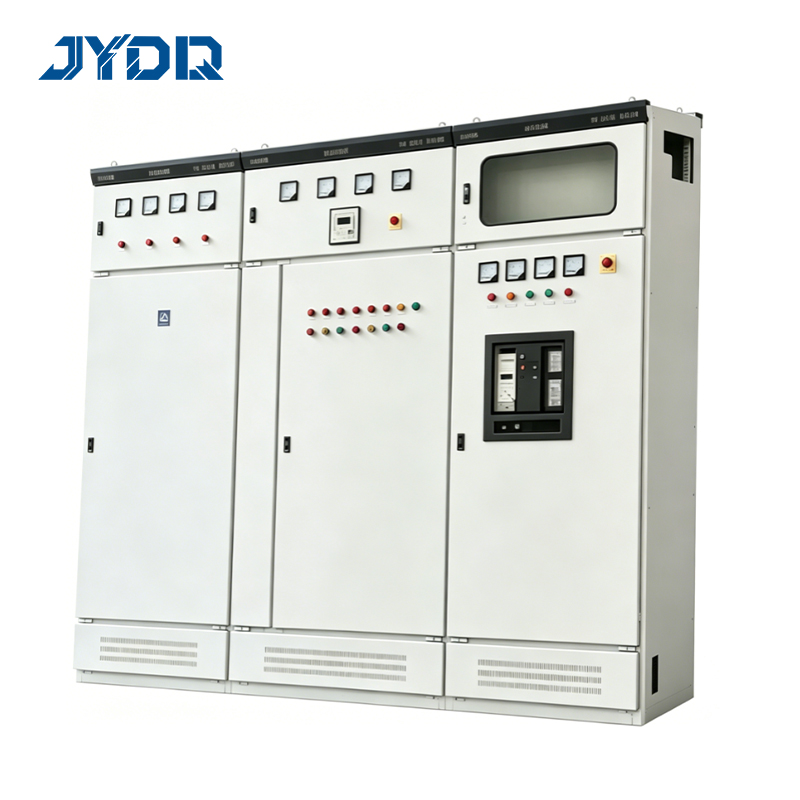
The process of choosing switchgear for an industrial project requires careful analysis of your power distribution architecture, operational demands, and environmental conditions. Each industrial project has unique electrical requirements based on production capacity, facility layout, and future growth plans. By evaluating voltage levels, current ratings, and protection mechanisms early in your planning phase, you can avoid costly retrofits and ensure seamless integration with existing infrastructure.
Assessing Your Industrial Project Requirements
Determining Voltage and Current Specifications
The foundation of switchgear selection begins with understanding your industrial project's voltage and current demands. Most industrial facilities operate at multiple voltage levels, requiring different switchgear configurations for primary distribution, secondary distribution, and motor control. Calculate the total connected load, demand factor, and future expansion capacity to ensure your switchgear can handle peak loads without degradation. For industrial projects with variable production schedules, account for both continuous and intermittent current requirements to select appropriately rated equipment.
Evaluating Power Distribution Architecture
Power distribution topology directly influences switchgear placement and specification within your industrial project. Radial distribution systems require fewer switchgear points but offer less redundancy, while ring or mesh configurations demand more switchgear units but provide superior fault tolerance. Assess whether your industrial project needs automatic transfer switches for backup power systems, and determine if selective coordination is necessary between upstream and downstream protection devices. The complexity of your power distribution network should guide switchgear complexity and feature selection.
Critical Selection Factors for Switchgear
Protection and Control Capabilities
Modern switchgear must provide comprehensive protection against various electrical faults occurring throughout your industrial project. Overcurrent protection, earth fault detection, and arc flash mitigation are fundamental requirements for any industrial facility. The selection process must account for motor starting currents, inrush protection, and load shedding capabilities that protect sensitive equipment in your industrial project. Advanced switchgear systems now integrate digital metering and remote monitoring, enabling predictive maintenance and reducing unplanned downtime that disrupts production schedules.
Environmental and Space Constraints
Physical installation parameters often drive switchgear selection decisions within an industrial project. Evaluate ambient temperature ranges, humidity levels, and potential for corrosive atmospheres in your facility environment. Indoor switchgear requires less weatherproofing but demands adequate ventilation, while outdoor installations need robust enclosures rated for specific environmental conditions relevant to your industrial project location. Space availability frequently dictates whether compact modular designs or full-size installations are feasible, affecting both initial investment and operational accessibility for maintenance personnel.
Integration and Future-Proofing Strategies
Compatibility with Existing Systems
New switchgear must integrate seamlessly with existing industrial project infrastructure, including legacy protection systems and modern monitoring equipment. Verify that switchgear specifications align with your facility's grounding systems, voltage standards, and protective device coordination curves. Communication protocols between new and existing equipment should be confirmed during the selection phase to avoid compatibility issues that compromise industrial project reliability. Selecting switchgear with standardized interfaces simplifies future upgrades and reduces integration costs throughout your facility's operational lifetime.
Scalability and Expansion Planning
Industrial projects often experience growth requiring additional production capacity and expanded power distribution capabilities. Choose switchgear architectures that accommodate future branch circuit additions without requiring complete system replacement. Modular switchgear designs offer flexibility for industrial projects anticipating growth, allowing incremental capacity additions as production demands increase. Planning for expansion during initial selection prevents emergency retrofits and maintains consistent equipment standards across your industrial project infrastructure, simplifying training and maintenance procedures for your operational team.
FAQ
What is the difference between low-voltage and medium-voltage switchgear for industrial projects?
Low-voltage switchgear typically handles circuits below 1000 volts and is commonly used for final distribution and motor control in most industrial projects. Medium-voltage switchgear operates between 1000 and 35000 volts, serving primary distribution roles in larger facilities or where significant power distances require higher transmission voltages. The selection between voltage classes depends on your industrial project's overall power requirements, facility size, and distribution strategy. Medium-voltage systems are more complex and expensive but offer advantages for industrial projects requiring substantial power capacity or serving multiple production areas across extended distances.
How do I ensure proper coordination between switchgear protection devices?
Protective device coordination requires detailed analysis of overcurrent curves, timing sequences, and fault current calculations specific to your industrial project configuration. Engineers must verify that upstream devices react faster than downstream protection during faults, preventing unnecessary tripping of main switchgear during localized issues within your industrial project. Software simulation tools can model fault scenarios and validate coordination before installation, reducing commissioning delays. Coordination verification should be documented and reviewed whenever your industrial project experiences modifications to generation capacity, loads, or power distribution topology.
What maintenance requirements should influence switchgear selection for my industrial project?
Consider switchgear designs requiring minimal preventive maintenance when selecting equipment for industrial projects with limited technical resources or remote facility locations. Sealed-for-life contacts and self-healing components reduce maintenance frequency compared to traditional designs requiring regular inspections. The availability of spare parts and local service support should influence your selection, particularly for industrial projects in geographically isolated areas where equipment downtime directly impacts supply chain reliability. Built-in diagnostic capabilities enable condition-based maintenance strategies, optimizing resource allocation throughout your industrial project operational period.

 EN