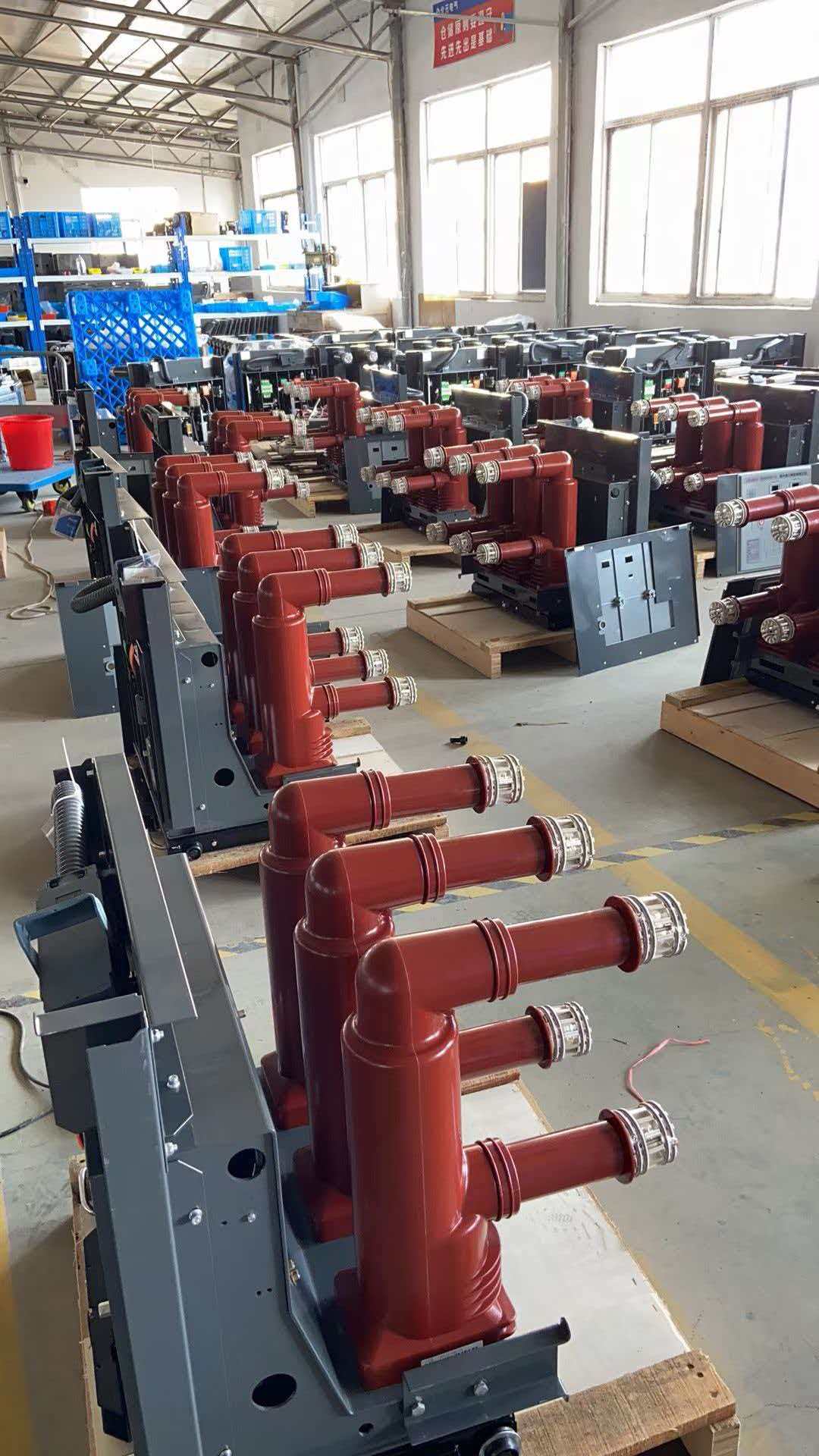
Coordinating metering and protection systems in high and low voltage switchgear is fundamental to maintaining a safe, efficient, and compliant electrical distribution network. When metering devices and protection relay systems operate independently without proper coordination, faults can propagate, safety risks escalate, and operational costs increase. The coordination process ensures that measurement accuracy aligns with fault detection timings, enabling informed decisions about load management, energy billing, and emergency response.
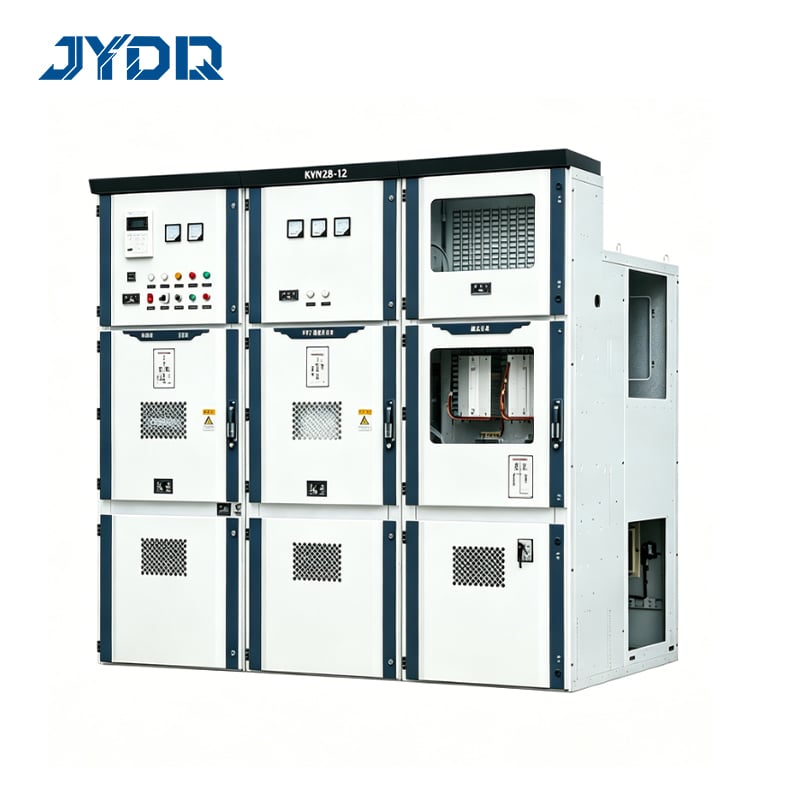
Effective coordination between metering and protection relay functions requires a structured approach that accounts for voltage levels, fault characteristics, response times, and operational requirements. The switchgear environment introduces unique challenges because both metering and protection systems must coexist within the same enclosure while maintaining isolation, accuracy, and reliability. This article explores how to design, implement, and verify coordination strategies that integrate metering and protection relay functionality across voltage classifications, from equipment selection through operational commissioning.
Understanding Metering and Protection Relay Integration
Core Functions and Measurement Principles
Metering systems in switchgear capture voltage, current, power factor, and energy consumption data essential for billing, demand management, and performance analysis. Protection relay systems detect abnormal conditions such as overcurrent, phase imbalance, earth faults, and overvoltage to prevent equipment damage and personnel injury. Both systems rely on current transformers and voltage transformers to scale high voltages and currents to safe, measurable levels. When these transformer outputs are shared between metering and protection relay circuits, careful design ensures that each system receives clean, undistorted signals without interference or cross-talk that could compromise accuracy or response time.
Why Coordination Matters in Switchgear Design
In high and low voltage switchgear installations, metering accuracy directly affects energy cost allocation and performance monitoring, while protection relay response directly affects safety and asset protection. If metering circuits degrade signal quality or introduce delay, protection relay systems may misinterpret fault magnitude or timing. Conversely, if protection relay operation generates transients or harmonics, metering data becomes distorted and unreliable. Proper coordination prevents these failures by establishing clear signal paths, shielding requirements, grounding protocols, and validation procedures that ensure both functions operate within design specifications without mutual degradation.
Implementing Coordination Strategies
Transformer Accuracy and Signal Conditioning
The accuracy class of current transformers and voltage transformers directly influences how reliably metering and protection relay systems perform. Current transformers must be selected based on accuracy class requirements, which vary by application. For metering applications, accuracy class 0.2S or 0.5S is typically specified to ensure billing accuracy. For protection relay circuits, accuracy class 5P or 10P is often sufficient because the primary objective is fault detection rather than measurement precision. When switchgear accommodates both functions, dual-wound transformers or multiple transformer outputs from the same source can provide isolated signal paths while maintaining cost efficiency and physical space.
Coordination of Response Times and Selectivity
Protection relay coordination requires careful sequencing of trip timings to ensure that faults are cleared by the protective device closest to the fault, preventing unnecessary shutdown of upstream equipment. Metering systems operate continuously and do not require time coordination with protection relay functions in the same way, but metering must continue recording data during fault events to support root cause analysis. When protection relay devices operate in switchgear, their switching transients can introduce saturation or harmonics that temporarily distort metering signals. Advanced digital metering and protection relay systems now include filtering, signal validation, and data buffering capabilities that allow metering to suppress transient artifacts while protection relay functions maintain fast response times without delay or filtering that could compromise fault detection sensitivity.
Practical Commissioning and Verification
Test Protocols and Field Validation
Commissioning high and low voltage switchgear requires systematic testing to verify that metering accuracy and protection relay response operate within design specifications under both normal and fault conditions. Field tests should include secondary injection testing of current transformers and voltage transformers to confirm signal magnitude and phase angle accuracy, timing tests to verify protection relay pickup thresholds and trip times, and metering accuracy checks against portable reference meters or power quality analyzers. During these tests, metering readings are captured simultaneously with protection relay operation logs to identify any timing discrepancies or signal degradation that could affect coordination. Documentation of baseline values, acceptable tolerance ranges, and observed deviations provides essential records for future troubleshooting and supports regulatory compliance requirements.
Ongoing Monitoring and Maintenance
Coordination effectiveness depends not only on initial design and commissioning but also on continuous monitoring and preventive maintenance. Modern switchgear often includes built-in monitoring functions that track metering accuracy, protection relay self-diagnostics, and power quality metrics. Regular inspection of transformer connections, grounding integrity, and cable routing ensures that signal paths remain clean and free from corrosion or mechanical damage that could degrade performance over time. Annual recalibration of metering systems and functional testing of protection relay circuits confirms that both systems maintain coordination under field operating conditions, detecting drift or degradation before it impacts safety or measurement reliability.
FAQ
How do current transformers affect coordination between metering and protection relay systems?
Current transformers provide scaled, isolated signals for both metering and protection relay functions. The accuracy class and burden rating of the transformer directly determine signal fidelity. If the transformer burden exceeds design limits, secondary voltage drops and introduces harmonic distortion that corrupts both metering accuracy and protection relay signal quality. Proper transformer selection ensures adequate burden capacity for all connected devices, preventing signal degradation and maintaining coordination across voltage and load ranges.
What grounding practices ensure optimal coordination in high and low voltage switchgear?
Proper grounding establishes a clean reference potential for both metering and protection relay measurement circuits. All transformer secondary neutrals, shielding, and signal return paths must be grounded at a single point to prevent circulating currents and ground loop noise. In switchgear installations, the secondary ground reference should be connected to the main equipment grounding bus with minimal impedance, typically using heavy gauge stranded copper conductors. This practice prevents potential differences from introducing measurement errors and ensures that both metering and protection relay systems respond to true fault signals rather than noise artifacts.
Can digital metering and protection relay devices improve coordination compared to analog systems?
Digital systems offer significant coordination advantages through advanced signal processing, filtering, and synchronized time stamping. Digital protection relay devices can apply sophisticated algorithms to distinguish true faults from transients, improving selectivity and reducing nuisance trips. Digital metering systems buffer transient events and apply filtering that preserves accuracy during fault conditions. Both device types communicate using standardized protocols that allow metering data and protection relay status to be correlated in real time, enabling faster root cause analysis and improved coordination verification across high and low voltage switchgear networks.

 EN