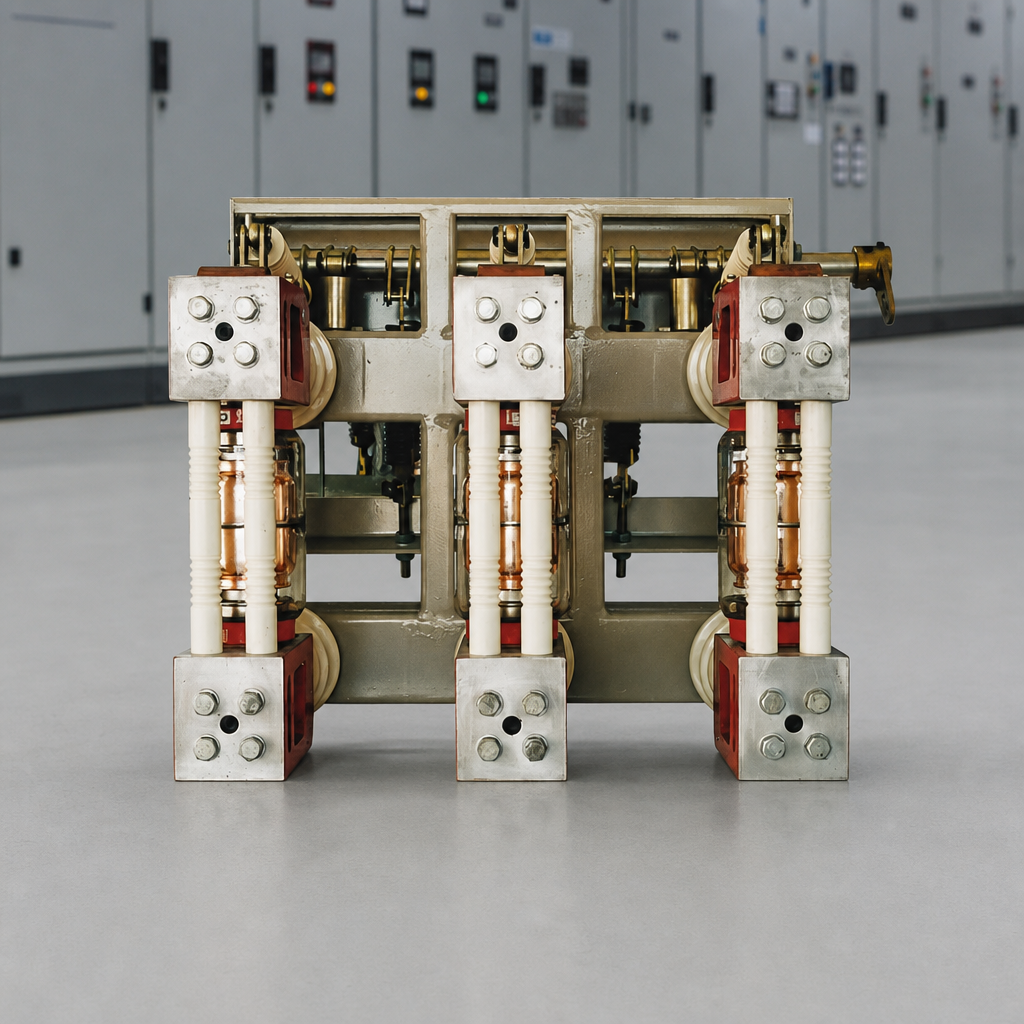
Selecting between an oil immersed transformer and a dry-type transformer represents one of the most critical decisions in power distribution system design. Both technologies serve essential roles in electrical infrastructure, yet their operational characteristics, maintenance requirements, and suitability vary significantly across different industrial and commercial environments. Understanding the fundamental differences between these two transformer types enables facility managers, engineers, and procurement professionals to make informed selections that balance performance, cost, safety, and regulatory compliance with long-term operational reliability.
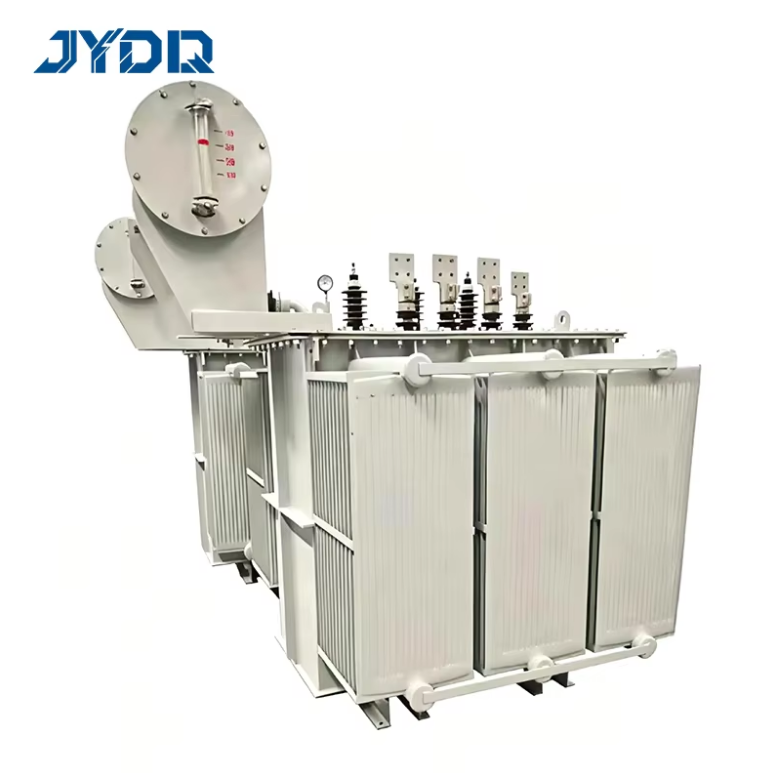
The transformer comparison process requires a systematic evaluation of multiple technical and operational factors beyond simple cost analysis. An oil immersed transformer offers superior cooling efficiency and higher power density, making it ideal for large substations and utility-scale applications where space constraints and thermal management are primary concerns. Dry-type transformers, conversely, eliminate fire risk and environmental contamination concerns while offering simplified maintenance in sensitive indoor environments.
Core Technical Differences in Design and Operation
Cooling Mechanism and Thermal Performance
An oil immersed transformer relies on mineral oil as both an insulating medium and a heat transfer fluid. The oil circulates through the transformer core and windings, absorbing heat and dissipating it through external radiators or cooling fins. This natural convection process, often enhanced by forced circulation fans in larger units, enables oil immersed transformer designs to handle significantly higher power ratings within compact physical footprints. The thermal conductivity of mineral oil far exceeds that of air or solid insulation materials, allowing continuous operation at higher current densities without temperature rise violations.
Dry-type transformers rely on air circulation and solid insulation materials like epoxy resin or cast polymer compounds to manage heat dissipation. While air cooling is inherently less efficient than oil cooling, modern ventilation designs and epoxy winding systems have substantially improved thermal performance. Dry-type transformers typically operate at lower power densities and require larger physical dimensions for equivalent power ratings compared to oil immersed transformer counterparts. The trade-off is acceptance of increased size and weight in exchange for elimination of liquid cooling medium complications.
Insulation and Electrical Performance
The insulation properties of mineral oil in an oil immersed transformer provide superior dielectric strength and voltage withstand capability. Oil breaks down at significantly higher field strengths than air, enabling compact winding designs and smaller transformer cores for given voltage and power ratings. This electrical advantage translates directly into improved efficiency and reduced core losses, which is why an oil immersed transformer remains the standard choice for high-voltage transmission and large industrial power distribution applications requiring maximum performance density.
Dry-type transformers use synthetic or natural ester resins for insulation, which provide adequate dielectric strength for medium-voltage applications but cannot match the breakdown strength of mineral oil. This limitation restricts dry-type transformer application primarily to voltages below 35 kV in most practical installations. However, modern high-temperature insulation materials have expanded the voltage range, and transformer comparison studies increasingly show dry-type units performing reliably in mid-voltage industrial and commercial distribution circuits.
Environmental, Safety, and Maintenance Considerations
Fire Safety and Environmental Impact
Fire risk represents a fundamental distinction between oil immersed transformer and dry-type transformer technologies. Mineral oil in an oil immersed transformer is combustible and requires secondary containment, fire suppression systems, and strict indoor placement restrictions. Building codes often mandate oil immersed transformer installation in separate rooms or outdoor locations away from occupied spaces and sensitive equipment. This fire hazard, while manageable through proper engineering and maintenance, adds infrastructure cost and complexity that many facility managers seek to avoid.
Dry-type transformers eliminate combustion risk entirely, allowing direct placement within equipment rooms and occupied buildings. This safety advantage simplifies site planning, reduces insurance premiums, and meets stringent building codes in hospitals, data centers, and other critical facilities. Environmental regulations also favor dry-type installations because mineral oil spills from a failed oil immersed transformer can contaminate soil and groundwater, triggering expensive remediation and regulatory penalties. The transformer selection process must weigh fire and environmental risks against the superior cooling and electrical performance of oil immersed technology.
Maintenance Requirements and Operational Burden
An oil immersed transformer demands regular condition monitoring and preventive maintenance programs to ensure reliable operation. Oil analysis, moisture testing, and dissolved gas analysis detect deteriorating insulation, moisture ingress, and potential failure modes before catastrophic breakdown. Overheating, water contamination, and oxidation gradually degrade mineral oil quality, requiring periodic oil replacement or reconditioning at significant cost. Despite these maintenance burdens, oil immersed transformer operators benefit from century-old technology maturity, extensive field experience, and well-established maintenance protocols that sustain equipment life beyond 40 years with proper care.
Dry-type transformers require minimal ongoing maintenance once installed, with periodic inspections and cleaning of external surfaces representing the primary maintenance activities. The solid insulation system does not degrade from moisture absorption or oxidation in the same manner as mineral oil, reducing predictive maintenance complexity and cost. For facility operators prioritizing low-maintenance solutions and simplified operational management, dry-type transformer selection often justifies accepting higher initial purchase cost and reduced power density.
Selection Framework for Power Distribution Applications
Voltage Class and Power Rating Requirements
Voltage rating fundamentally constrains transformer comparison outcomes. High-voltage applications above 35 kV almost exclusively require oil immersed transformer technology because dry-type designs cannot achieve necessary dielectric strength within practical physical dimensions. Utility substations, transmission system step-down stations, and industrial complexes with large main transformers virtually always employ oil immersed transformer specifications. Selection becomes meaningful in the medium-voltage range from 6 kV to 35 kV, where both technologies offer viable solutions with distinct trade-offs.
Power distribution circuits below 600 volts present the clearest case for transformer comparison analysis. Low-voltage dry-type transformers dominate this segment due to lower cost, simpler installation, and elimination of environmental hazards. However, large industrial loads requiring 480-volt three-phase power distribution over extended distances sometimes justify oil immersed transformer use despite higher cost because superior cooling efficiency reduces I-squared-R losses and enables smaller conductor sizes. The specific power rating, operating duty cycle, and thermal environment drive the selection logic at each voltage class.
Site Conditions and Environmental Constraints
Indoor installation requirements strongly favor dry-type transformer selection when building codes and facility layout permit direct placement within mechanical rooms or distribution areas. Data centers, hospitals, manufacturing facilities, and office buildings increasingly mandate dry-type transformers to eliminate fire containment infrastructure and simplify site planning. Conversely, outdoor substations and rural power distribution circuits where space is abundant and secondary containment is easily implemented often justify oil immersed transformer economics because capital cost differences diminish relative to overall project scope.
Ambient temperature and humidity extremes influence transformer selection through cooling system requirements and insulation degradation rates. High-temperature climates increase the cooling burden on both transformer types but affect oil immersed transformer efficiency less severely due to superior heat transfer characteristics. Corrosive industrial atmospheres accelerate external enclosure degradation on both technologies, though mineral oil provides superior protection for internal windings against chemical contamination compared to porous epoxy resin surfaces on dry-type units. Site-specific environmental assessment directly informs whether oil immersed transformer advantages justify addressing fire and environmental concerns.
FAQ
Can an oil immersed transformer operate indoors in modern facilities?
Yes, oil immersed transformer indoor installation is feasible with proper engineering controls including fire-rated room construction, secondary containment, foam suppression systems, and compliance with National Electrical Code requirements. However, modern building codes increasingly restrict indoor oil immersed transformer placement to isolated rooms away from occupied spaces, which raises infrastructure costs and limits facility flexibility. Most new indoor installations now employ dry-type transformers because they eliminate these regulatory and safety burdens while simplifying operational management.
How does power distribution efficiency differ between these two transformer types?
Oil immersed transformer designs typically achieve slightly lower core and winding losses than dry-type counterparts of equivalent ratings because superior cooling enables tighter winding designs and higher current density without temperature rise violations. For large power distribution applications, these efficiency differences compound over years of continuous operation, generating substantial energy savings and reduced operating cost that often justify higher initial capital investment in oil immersed transformer equipment. Smaller transformer sizes at low voltage show negligible efficiency differentiation because both technologies operate comfortably within thermal limits.
What total cost of ownership factors should influence transformer selection?
Transformer comparison analysis must evaluate initial purchase price, installation infrastructure costs, maintenance requirements, energy losses, insurance premiums, and end-of-life disposal expense across the expected service life. Oil immersed transformer installations require secondary containment, fire suppression systems, and dedicated room construction that can add 30–50 percent to total installed cost, while ongoing oil analysis and reconditioning programs increase operational expense. Dry-type transformer selection often appears more economical on total cost of ownership despite higher unit price because avoided infrastructure and maintenance costs offset the premium within 10–15 year payback periods for most power distribution applications.

 EN