Transformer overheating remains one of the most critical operational challenges in electrical distribution systems worldwide. When a transformer fails due to thermal stress, the consequences extend far beyond equipment replacement—downtime cascades through industrial facilities, interrupting production and compromising supply reliability. Understanding what causes transformer overheating is essential for plant managers, maintenance engineers, and facility operators who depend on these vital assets for continuous power delivery. The root causes often interconnect, creating complex failure scenarios that require both preventive strategy and rapid diagnostic capability.
The stakes are highest in applications where thermal management directly affects equipment lifespan and operational safety. A transformer experiencing sustained elevated temperatures degrades its insulation, increases resistance losses, and accelerates aging mechanisms that shorten service intervals. By implementing structured thermal management protocols and consistent maintenance routines, operators can extend transformer life, reduce energy losses, and maintain stable grid conditions.
Primary Causes of Transformer Overheating
Excessive Load and Thermal Stress
Operating a Transformer beyond its rated capacity generates heat through resistance losses in the windings and core. When load currents exceed design specifications, I²R losses increase quadratically, meaning even small overcurrent margins produce disproportionate temperature rises. Industrial facilities often encounter seasonal demand fluctuations, emergency load redistributions, or gradual consumption increases that push transformers toward thermal limits without deliberate intervention. This sustained overloading creates cumulative thermal aging, where insulation materials gradually lose mechanical and electrical properties, ultimately leading to failure modes ranging from winding faults to catastrophic explosions in oil-filled units.
Inadequate Cooling and Ventilation
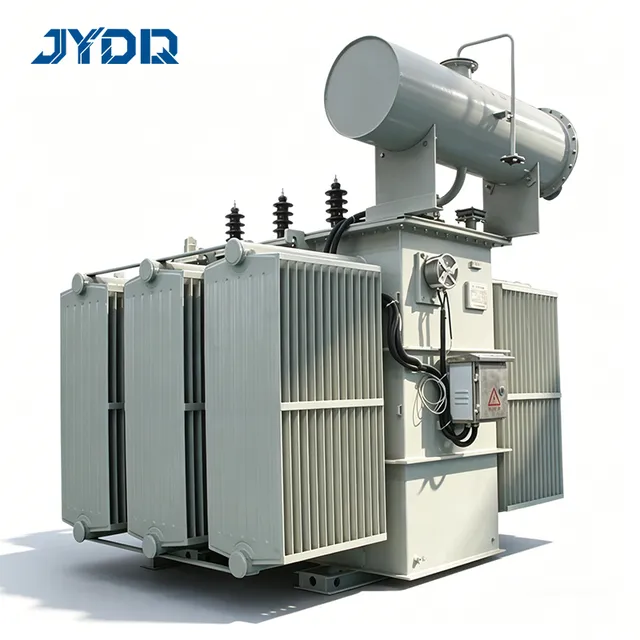
Transformers depend on effective cooling systems to dissipate generated heat into the surrounding environment. Blocked cooling fins, clogged air intakes, or obstructed ventilation pathways prevent natural convection and forced-air cooling mechanisms from functioning efficiently. Dust accumulation, debris fields, or physical obstruction around cooling surfaces dramatically reduces heat dissipation rates, causing core and winding temperatures to rise progressively. Regular maintenance inspections specifically targeting cooling infrastructure are essential for thermal management.
Load Imbalance and Harmonic Distortion Effects
Uneven Phase Loading and Neutral Current
Three-phase transformers distribute load current across three primary windings, but real-world industrial systems often experience unbalanced phase loads due to single-phase equipment connections or asymmetric consumption patterns. When one phase carries significantly more current than others, thermal stress concentrates in that winding, creating localized overheating zones despite overall loading remaining within acceptable limits. Neutral current—the vector sum of unbalanced phase currents—flows through the neutral conductor and can generate substantial heating in transformer cores when phase imbalance exceeds acceptable thresholds. Facilities with heavy single-phase loads, medical equipment, or data center power distribution frequently encounter load balancing challenges requiring active monitoring and redistribution strategies to prevent localized overheating damage.
Harmonic Currents and Distortion
Modern industrial loads increasingly incorporate non-linear equipment including variable frequency drives, switching power supplies, and rectifier circuits that inject harmonic currents into distribution networks. These higher-frequency harmonic components increase losses in transformer conductors and core materials at rates that exceed fundamental-frequency calculations, creating hidden overheating mechanisms. Harmonic distortion degrades transformer overheating prevention effectiveness by increasing losses beyond nameplate ratings, sometimes by 30 to 50 percent depending on distortion levels. Facilities operating heavy harmonic loads require dedicated thermal management strategies such as oversized transformers, active harmonic filtering, or dedicated isolation transformers to manage the additional thermal burden these loads impose on equipment rated only for fundamental-frequency operation.
Maintenance Deficiencies and Operational Factors
Oil Quality Degradation and Contamination
Oil-immersed transformers rely on mineral oil or synthetic alternatives to dissipate heat and provide electrical insulation within sealed environments. As oil ages, dissolved water, oxidation products, and particulate contamination gradually accumulate, reducing thermal conductivity and increasing electrical losses. Contaminated oil with elevated moisture content increases dielectric losses, generating additional heat during normal operation while simultaneously reducing the oil's ability to conduct that heat away from windings. Preventive maintenance schedules must include regular oil testing, water removal through dehydration processes, and filtration cycles to maintain thermal management efficiency. Transformers operating in harsh environments face accelerated oil degradation, requiring more frequent maintenance intervals to sustain thermal performance and prevent overheating scenarios driven by oil quality deterioration.
Aging Insulation and Internal Faults
Transformer insulation systems gradually lose mechanical strength and electrical resilience through thermal aging, moisture absorption, and oxidative chemical reactions accumulated over years of operation. As insulation degrades, partial discharge activities increase within winding cavities, creating localized heating zones and further accelerating insulation breakdown in a self-reinforcing failure cascade. Internal faults including shorted turns, winding deformations, or core lamination deterioration dramatically increase copper and core losses, pushing operating temperatures toward dangerous thresholds. Condition monitoring technologies including dissolved gas analysis, partial discharge detection, and thermal imaging enable early identification of these internal degradation mechanisms before catastrophic failure occurs. Proactive maintenance programs incorporating these diagnostic techniques help identify transformers requiring replacement or major refurbishment before overheating reaches critical stages.
Prevention Strategies and Thermal Management Solutions
Load Management and Capacity Planning
Preventing transformer overheating begins with deliberate load forecasting and capacity planning that maintains operating currents safely below transformer nameplate ratings, typically targeting maximum loads of 70 to 85 percent of rated capacity under normal conditions. Dynamic load monitoring systems provide real-time visibility into phase-by-phase currents, allowing operators to identify imbalance conditions and redistribute loads before localized overheating develops. Installing appropriately sized transformers matched to actual facility demand—avoiding both oversizing that wastes capital and undersizing that guarantees thermal stress—provides foundational protection. Industrial facilities should conduct regular capacity audits, especially after equipment additions or operational changes, to verify transformer sizing remains appropriate for current and projected loads.
Cooling System Optimization and Maintenance
Maintaining peak transformer cooling performance requires systematic attention to ventilation pathways, radiator cleanliness, and cooling fan functionality. Quarterly inspections of cooling surfaces, including pressure washing when necessary, remove accumulated dust and debris that restricts airflow and heat transfer. For forced-air cooling systems, thermostatic controls and temperature sensors ensure cooling fans operate only during periods of elevated temperature, reducing unnecessary energy consumption while maintaining thermal regulation. Facilities should establish maintenance schedules that address cooling inadequacies identified through thermal imaging surveys, which reveal temperature gradients indicating uneven cooling across transformer surfaces. Advanced thermal management facilities may implement automated cooling systems with variable speed drives that adjust cooling capacity dynamically based on real-time temperature monitoring.
Condition Monitoring and Predictive Maintenance
Advanced diagnostic techniques provide early warning of developing overheating conditions before they escalate toward failure. Dissolved gas analysis of transformer oil identifies decomposition products associated with overheating, corona discharge, and electrical faults, enabling technicians to implement corrective actions before thermal damage becomes severe. Infrared thermography reveals surface temperature patterns that indicate internal problems including cooling blockages, load imbalances, or developing internal faults. Online monitoring systems continuously track winding temperatures, oil temperature, load currents, and ambient conditions, triggering automated alerts when thermal parameters approach established thresholds. Facilities investing in these predictive technologies can optimize maintenance intervals, reduce unplanned outages, and extend transformer service life through evidence-based decision-making rather than reactive failure response.
FAQ
What temperature thresholds indicate transformer overheating problems?
Standard IEEE guidelines specify that transformer oil temperatures should not exceed 65 degrees Celsius above ambient under normal operating conditions, with winding temperatures remaining below 80 degrees Celsius above ambient. When temperatures exceed these thresholds, accelerated aging and thermal stress reduce remaining service life significantly. Sustained temperatures above 100 degrees Celsius indicate serious overheating conditions requiring immediate investigation and load reduction to prevent catastrophic failure. Facilities should establish alert protocols that trigger investigation when temperatures approach established limits, enabling corrective action before damage occurs.
How often should transformer maintenance schedules include thermal management checks?
Comprehensive maintenance protocols should incorporate monthly visual inspections of cooling surfaces, quarterly thermal imaging surveys, and annual detailed cooling system evaluations for facilities with critical transformer loads. Transformers operating in harsh environments with elevated ambient temperatures, high loads, or contaminated atmospheres require intensified monitoring at six-week intervals. Oil analysis should occur annually for standard installations and semi-annually for critical applications or transformers showing condition indicators. Facilities should adjust intervals based on condition monitoring results, ambient temperature trends, and historical performance data specific to each transformer installation.
Can transformer overheating be reversed through maintenance, or does it require replacement?
Early-stage overheating driven by cooling blockages, oil contamination, or load imbalances can be substantially reversed through systematic maintenance restoration, including cooling system cleaning, oil dehydration, and load rebalancing. However, transformers experiencing extended elevated temperatures develop irreversible insulation damage and internal faults that maintenance cannot fully repair, though it can stabilize conditions temporarily. Detailed condition assessment using oil analysis, insulation resistance testing, and thermal response characteristics helps determine whether targeted maintenance will restore acceptable performance or whether replacement represents the more economical long-term decision. Facilities should treat maintenance results as indicators that either confirm equipment viability or trigger strategic replacement planning based on technical and economic considerations.

 EN