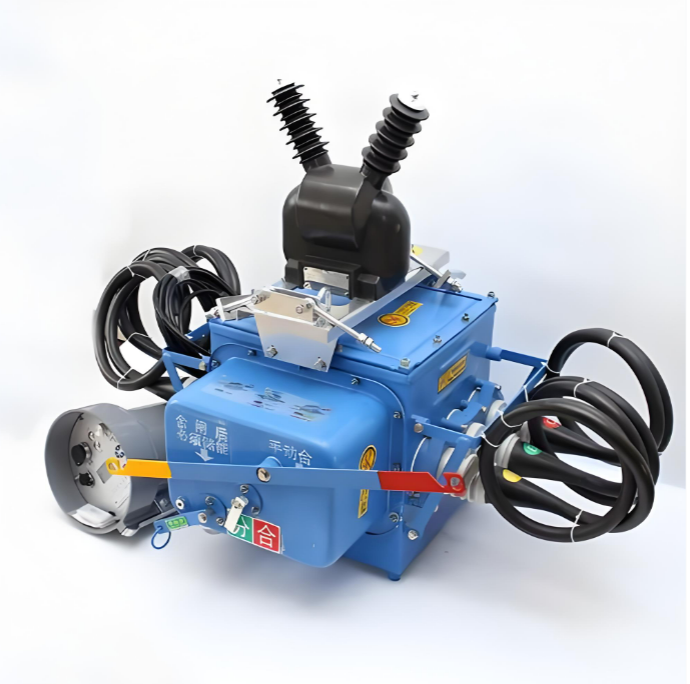
A vacuum circuit breaker represents one of the most reliable switching technologies in modern electrical distribution systems. At the heart of every vacuum circuit breaker lies a critical component that makes this technology possible: the vacuum interrupter. Understanding what a vacuum interrupter is and why it remains essential to vacuum circuit breaker performance is fundamental for electrical engineers, plant managers, and maintenance professionals who depend on these devices to protect equipment and personnel. The vacuum interrupter is not simply a passive housing; it is an engineered assembly that directly determines how effectively a vacuum circuit breaker can interrupt fault currents and maintain system integrity.
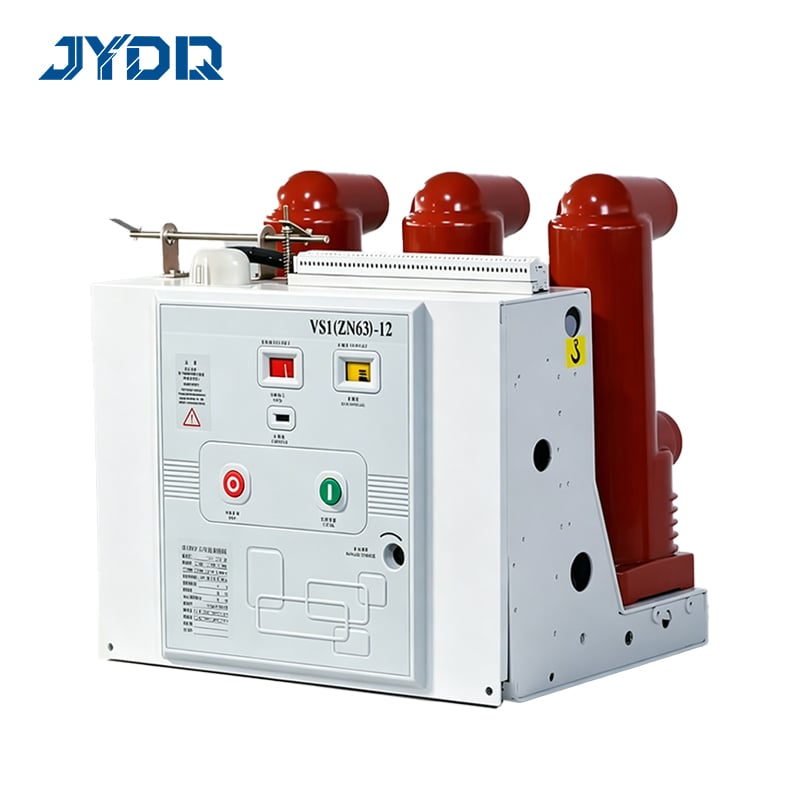
The vacuum interrupter is a sealed chamber filled with a near-perfect vacuum, typically maintained at pressures below 0.01 Pa. Inside this chamber, two contact electrodes remain in controlled proximity, separated by an air gap during the interruption process. When current flows through the vacuum circuit breaker during normal operation, these contacts remain closed and conduct electricity with minimal resistance. When a fault occurs or the breaker must open, arc control mechanisms within the vacuum interrupter extinguish the electrical arc almost instantaneously. This vacuum environment creates conditions where arcing cannot sustain itself, making the vacuum interrupter the enabling technology that distinguishes vacuum circuit breaker designs from older mechanical or oil-based alternatives.
Understanding the Vacuum Interrupter Structure
Core Component Design and Materials
The vacuum interrupter assembly consists of several precisely engineered subcomponents working in concert. The outer housing is typically composed of ceramic or glass-ceramic materials chosen for their electrical insulation properties and vacuum integrity. Within this sealed envelope, the movable contact and stationary contact are mounted on copper stems that provide both mechanical support and electrical conductivity. The contacts themselves are usually made from copper-chromium alloys, selected because they combine excellent electrical conductivity with superior arc erosion resistance. Arc control structures, often featuring radiating fins or spiral grooves, are integrated into the contact surfaces to shape and cool the electrical arc during interruption. This VCB component design ensures that when arc control mechanisms activate, the arc energy dissipates rapidly and safely within the vacuum chamber rather than propagating dangerously through the breaker housing.
Vacuum Integrity and Sealing Technology
Maintaining the vacuum inside the interrupter chamber is absolutely critical to vacuum circuit breaker reliability. The sealing interface between the ceramic envelope and metal stems must be hermetically sealed to prevent air infiltration over the device's 20 to 30-year operational life. Any breach in vacuum integrity compromises arc control capability, as atmospheric oxygen and nitrogen would reenter the chamber and sustain arcs that the vacuum interrupter is designed to suppress. Metallurgical bonding techniques at the ceramic-metal interface ensure that thermal cycling, vibration, and mechanical stress do not degrade this seal. Advanced VCB component manufacturing now employs multiple verification steps, including helium leak detection and long-term vacuum stability testing, to confirm that each vacuum interrupter meets stringent quality standards before integration into the circuit breaker assembly.
Arc Control Mechanisms and Performance
How Arc Control Functions Within the Vacuum Interrupter
Arc control within the vacuum interrupter works through a combination of physical geometry and vacuum physics. When contacts separate, initial current creates an arc discharge between the electrodes. The grooved or finned geometry of the contact surfaces channels this arc into a rotating or spiral path, elongating its length and cooling it through rapid expansion. At the same time, the vacuum environment prevents the arc from igniting surrounding gas molecules, which in conventional circuit breakers sustains the arc and prolongs interruption time. The arc control design typically reduces arc duration to a few milliseconds or less, enabling faster and more reliable current interruption. For high fault currents typical in industrial and utility vacuum circuit breaker applications, this rapid arc extinction prevents thermal damage to the contacts and neighboring system components. The superior arc control performance of a well-designed vacuum interrupter directly translates to improved safety, reduced maintenance intervals, and extended equipment service life.
Contact Erosion and Replacement Cycles
Despite the vacuum interrupter's exceptional performance, the contacts do erode incrementally with each arc event. Arc energy removes microscopic layers of contact material, a process known as erosion. Modern vacuum circuit breaker designs and advanced VCB component materials minimize this wear through specialized alloy compositions and optimized arc control geometries. The erosion rate is typically measured in fractions of a millimeter per operation, allowing a single vacuum interrupter to withstand tens of thousands of interruption cycles before replacement becomes necessary. This durability advantage makes vacuum circuit breaker technology far more economical than older designs that required frequent maintenance or complete replacement. Understanding erosion characteristics helps utilities and industrial facilities plan maintenance schedules and budget for long-term equipment management effectively.
Critical Importance to Vacuum Circuit Breaker Reliability
Fault Current Interruption Capability
The vacuum interrupter's fundamental responsibility is to interrupt fault currents cleanly and quickly, protecting electrical systems from cascade failures. When a short circuit or ground fault occurs on a distribution line, the current can surge to many times normal operating levels within milliseconds. The vacuum circuit breaker must sense this overcurrent condition and command the contacts to open within a precisely timed window. The arc control function within the vacuum interrupter then extinguishes the arc before it can cause catastrophic thermal damage to the contact surfaces, the ceramic envelope, or adjacent equipment. Modern high-voltage vacuum circuit breaker designs can reliably interrupt asymmetrical fault currents exceeding 50,000 amperes, a capability entirely dependent on the vacuum interrupter's performance. Without an effective vacuum interrupter, no vacuum circuit breaker could meet these demanding interruption requirements or the safety standards mandated for electrical distribution systems.
Environmental and Operational Advantages
The vacuum interrupter makes the vacuum circuit breaker inherently cleaner and safer than oil-filled or SF6-filled alternatives. Because the arc extinction process occurs within an evacuated chamber, no toxic gases are generated during normal operation. No environmental cleanup is required after a fault event, and no special ventilation equipment must be installed around the breaker. The compact design made possible by the vacuum interrupter allows smaller, lighter vacuum circuit breaker assemblies that consume less real estate in electrical substations. Operators can safely service equipment without exposure to hazardous materials. These advantages extend the appeal of vacuum circuit breaker technology across utilities, industrial facilities, renewable energy installations, and transportation networks. The vacuum interrupter's role in making arc control both effective and environmentally responsible cannot be overstated in the context of modern electrical infrastructure sustainability.
FAQ
What happens if the vacuum is lost in a vacuum interrupter?
If air leaks into the vacuum interrupter chamber, the vacuum circuit breaker loses its primary arc control advantage. Air molecules would sustain and prolong electrical arcs, slowing the interruption process and increasing contact erosion rates. The breaker may fail to interrupt high fault currents reliably, creating serious safety and equipment damage risks. This is why vacuum integrity verification is performed during manufacturing and why periodic diagnostics are recommended for in-service vacuum circuit breaker maintenance.
Can a vacuum interrupter be repaired, or must it be replaced?
A vacuum interrupter cannot be repaired in the field because reestablishing internal vacuum requires specialized laboratory equipment and sealed-chamber processing. When a vacuum interrupter fails or reaches end-of-life due to excessive contact erosion, the entire unit must be replaced. Most vacuum circuit breaker designs allow for interrupter cartridge replacement without replacing the entire breaker, reducing downtime and cost compared to full assembly replacement. Maintenance teams should follow manufacturer procedures and qualified technician protocols when performing this service.
How long does a vacuum interrupter typically last?
A well-maintained vacuum interrupter can function reliably for 20 to 30 years or longer in normal service conditions. Operational life depends on the number of interruption cycles experienced, the magnitude of fault currents interrupted, and maintenance practices. In typical utility or industrial applications where vacuum circuit breaker operation involves moderate fault events, a single vacuum interrupter assembly often outlasts the economic life of the breaker itself, making replacement unnecessary until general end-of-life retirement of the equipment.

 EN