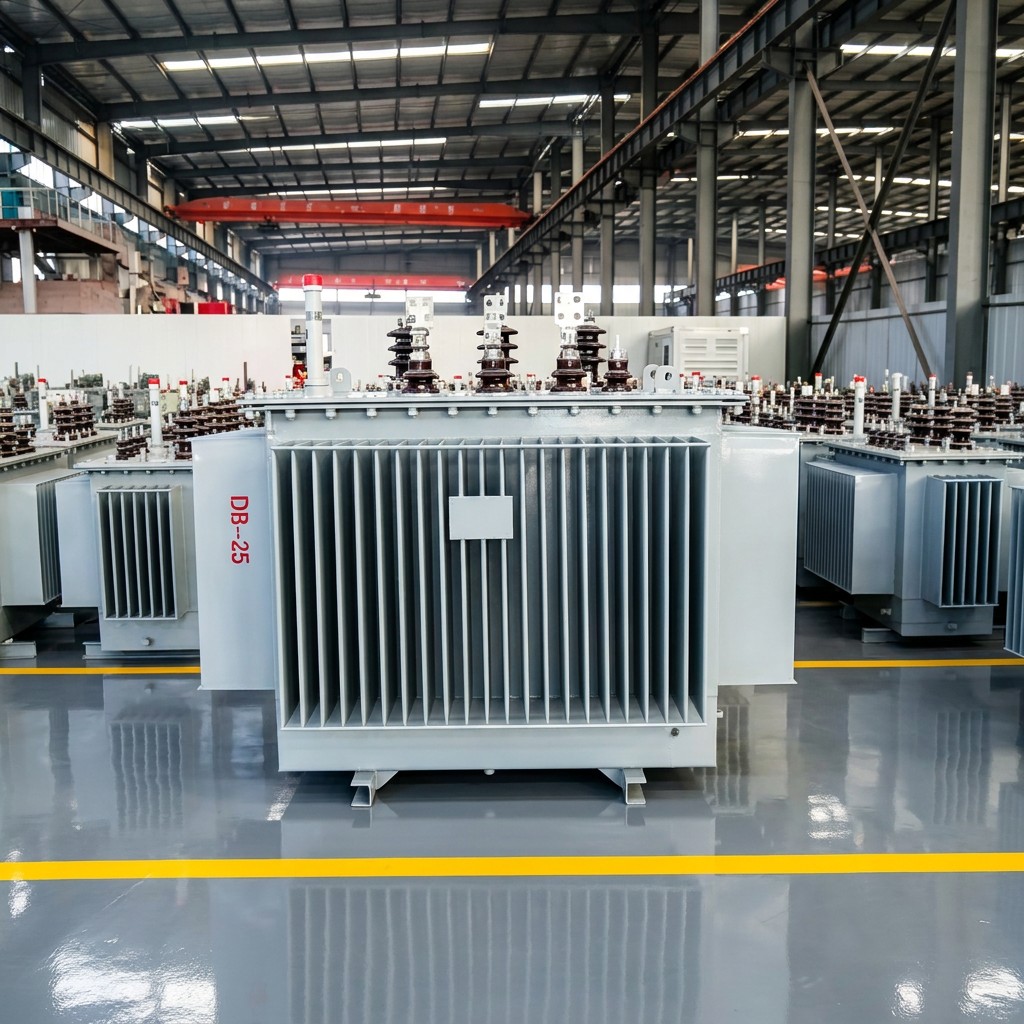
Selecting the right Dry-Type Transformer is one of the most critical decisions in designing a commercial power distribution system. Unlike oil-cooled alternatives, dry-type models offer superior safety, reduced environmental impact, and flexibility in placement within facility spaces. This comprehensive buying guide equips facility managers, electrical engineers, and project coordinators with the knowledge needed to specify and procure the correct distribution transformer for commercial applications.
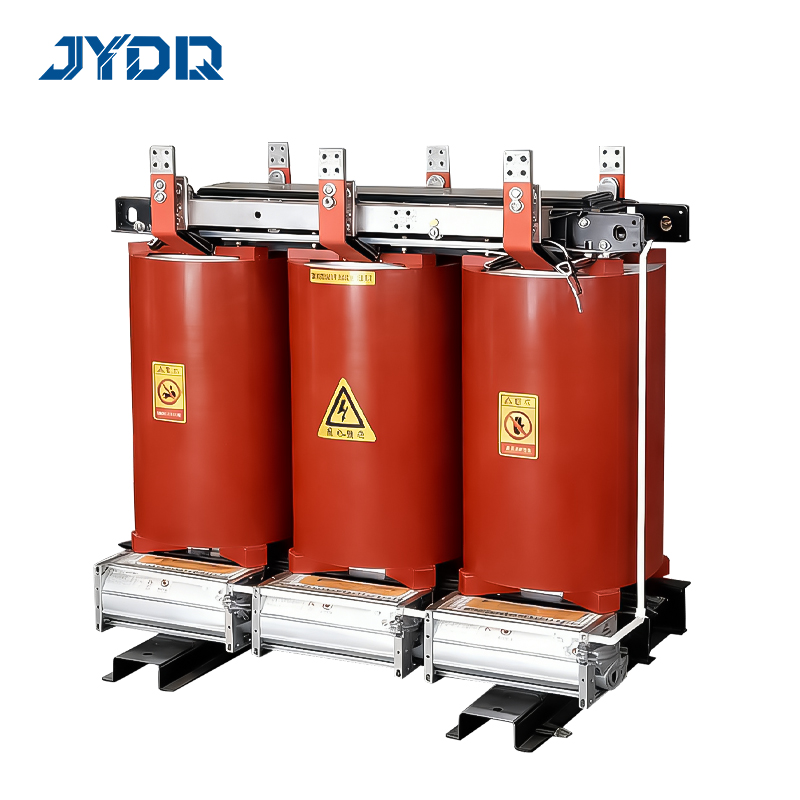
Commercial power systems demand reliable, efficient distribution transformers that support operational continuity and cost control. Understanding the distinctions between transformer types, sizing methodologies, cooling systems, and regulatory requirements transforms the procurement process from a generic specification exercise into a strategic investment aligned with facility needs and long-term operational performance.
Understanding Dry-Type Distribution Transformer Fundamentals
Core Design and Operating Principles
A distribution transformer serves as the backbone of commercial power delivery, stepping down high voltage into usable levels for lighting, machinery, and control systems. The dry-type design uses solid insulation materials and air circulation instead of liquid coolant, making installation safer and simpler. Cast resin insulation provides durability and resistance to moisture, vibration, and mechanical stress—critical features for modern commercial environments.
Commercial power systems benefit from dry-type transformers because they eliminate fire hazards associated with oil-cooled models and reduce environmental contamination risks. The transformer operates through electromagnetic induction: primary winding voltage induces current in secondary windings, stepping voltage and current levels according to turn ratios. Cooling occurs naturally through air convection and sometimes forced ventilation, keeping the unit at safe operating temperatures during load cycles.
Safety and Environmental Advantages
Dry-type transformers meet increasingly stringent building codes and environmental regulations across commercial installations. Without flammable insulating fluid, these units can be mounted inside equipment rooms, basements, or near occupied spaces without secondary containment systems. This eliminates expensive spill containment infrastructure and simplifies facility layout planning. The absence of oil also means no odor, reduced maintenance burden, and compliance with environmental protection standards that govern commercial properties.
Sizing and Specification for Commercial Applications
Load Calculation Methodology
Proper sizing begins with calculating the connected load across all circuits served by the distribution transformer. Commercial power demand includes lighting loads, HVAC equipment, machinery, data center infrastructure, and miscellaneous outlets. Engineers must account for demand factor—the ratio of actual simultaneous use versus total installed capacity—which typically ranges from 0.7 to 0.9 in commercial settings. A buying guide must emphasize that undersized transformers cause voltage drop and overheating, while oversized units waste energy and capital.
The commercial power profile determines transformer capacity selection. A distribution transformer rated 100 kVA might serve a small retail facility, while a 500 kVA unit supports a mid-size office building. Future expansion considerations should also influence the buying guide approach—selecting a unit 10 to 20 percent larger than current needs often provides cost-effective scalability without premature replacement.
Voltage Configuration and Secondary Options
Distribution transformer specifications must match incoming utility voltage and facility distribution requirements. Common primary voltages in North America include 4.16 kV, 13.8 kV, and 34.5 kV, while secondary voltages typically standardize at 208V three-phase, 277/480V three-phase, or single-phase variants. The buying guide should clarify that voltage selection directly impacts equipment compatibility, wiring requirements, and long-term operational efficiency. Phase configuration—whether three-phase delta, three-phase wye, or single-phase—must align with facility loads and utility service agreements.
Performance Standards and Regulatory Compliance
Efficiency and Loss Standards
Modern dry-type transformers must meet efficiency standards established by regulatory bodies such as the Department of Energy in the United States. A buying guide should address that higher efficiency ratings reduce operational costs over the transformer's 20-30 year lifespan. Core losses and copper losses determine overall efficiency; premium models feature amorphous core steel or advanced copper winding designs that minimize these losses. For commercial power applications where units operate near capacity frequently, the efficiency premium often justifies higher initial cost through reduced energy consumption.
Manufacturers publish efficiency curves showing performance across partial and full load ranges. Commercial facilities experiencing variable daily load patterns benefit from transformers optimized for efficiency at typical operating points rather than peak capacity. A comprehensive buying guide emphasizes reviewing these efficiency ratings against actual facility load profiles to ensure specification aligns with expected performance.
Cooling System Selection and Thermal Management
Cooling method classification—natural air cooled (AN), forced air cooled (AF), or combinations—affects placement flexibility and maintenance requirements. Distribution transformers cooled by natural convection require adequate surrounding air space and operate effectively in moderate-temperature environments. Forced air cooling enables higher continuous loading and works well in confined equipment rooms where installation space limits natural air circulation. The buying guide must explain that cooling selection impacts installation cost, ongoing maintenance, and operational reliability in commercial environments with variable ambient conditions.
FAQ
What size dry-type transformer should a commercial facility specify?
Sizing depends on calculated connected load, demand factor, and future growth expectations. A buying guide recommends calculating peak anticipated load, applying the appropriate demand factor, then adding 10-20% capacity margin. Consult with facility engineers and utility providers to confirm utility transformer capacity can support your selected distribution transformer rating without voltage regulation issues.
How do cooling methods affect dry-type transformer installation costs?
Natural air cooled models cost less initially but require unobstructed air circulation space around the unit. Forced air cooled transformers occupy less floor space and tolerate confined installation areas, potentially reducing facility layout costs. The buying guide should include site assessment considerations: if equipment room space is limited, forced cooling justifies the higher purchase price through installation savings and operational flexibility.
What maintenance does a commercial power distribution transformer require?
Dry-type transformers require minimal maintenance compared to oil-cooled units. Routine activities include visual inspections, temperature monitoring, and periodic cleaning of cooling vents. A buying guide advises scheduling thermographic imaging annually to detect hot spots indicating developing faults. Most dry-type transformers operate reliably for 25-30 years with proper maintenance, making long-term cost of ownership favorable relative to replacement frequency.

 EN