An oil immersed transformer operates under varying electrical loads throughout its service life, and these loading conditions directly influence the equipment's internal temperature dynamics. Understanding this relationship is essential for power system operators, maintenance engineers, and facility managers who need to optimize transformer performance and extend operational lifespan. When transformer loading changes, the core and windings experience increased losses that generate heat, which must be dissipated through the cooling oil to maintain safe operating temperatures.
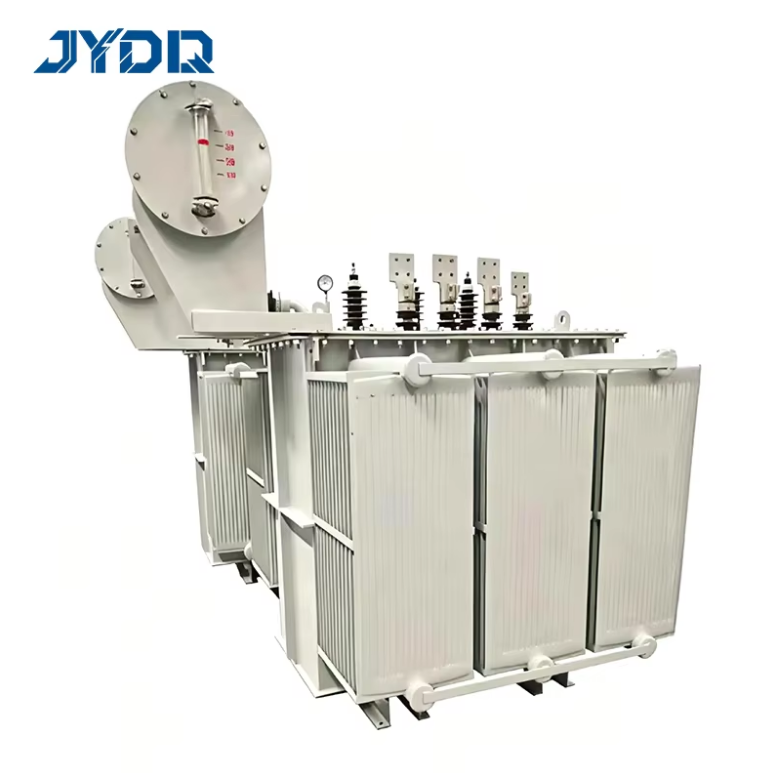
The relationship between transformer loading and temperature is not linear, meaning that doubling the load does not necessarily double the heat generated. Instead, losses increase exponentially with current flow, creating complex thermal conditions inside the transformer. The thermal performance of any oil immersed transformer depends on multiple interrelated factors including load magnitude, ambient conditions, cooling system capacity, and oil circulation efficiency. Operators must recognize these dependencies to prevent overheating, maintain reliability, and avoid premature equipment failure.
How Transformer Loading Generates Heat in Oil Systems
Core and Copper Losses Under Load
Transformer loading directly increases two types of losses: core losses and copper losses. Core losses remain relatively constant regardless of load level and result from magnetization of the iron core. Copper losses, however, vary significantly with transformer loading and electrical current. As current increases through the copper windings, resistive heating increases proportionally to the square of the current, meaning even modest increases in load can produce substantial temperature rises. In an oil immersed transformer, these losses manifest as thermal energy that spreads throughout the cooling oil, raising the overall thermal performance characteristics of the equipment.
Oil Circulation and Heat Dissipation
The cooling oil in an oil immersed transformer serves dual purposes: electrical insulation and thermal management. As transformer loading increases and heat generation accelerates, natural circulation or forced circulation systems must move hotter oil away from the core and windings toward the radiator or cooler surface. If the cooling system capacity proves insufficient for the thermal load, temperature will continue rising until losses and dissipation reach equilibrium. Many transformers include fans and pumps that activate at preset temperature thresholds to improve oil circulation and enhance thermal performance during peak loading periods.
Temperature Monitoring and Loading Capacity Relationships
Safe Operating Temperature Ranges
Industry standards specify maximum winding temperatures to preserve transformer insulation integrity and prevent accelerated aging. An oil immersed transformer typically has a top-oil temperature limit around 65°C above ambient, with hottest-spot winding temperatures constrained to approximately 80°C above ambient under rated conditions. When transformer loading exceeds nameplate capacity, these temperature limits are easily surpassed, triggering protective shutdown sequences or alarm conditions. Understanding the margin between current operating temperature and these limits allows operators to assess available loading capacity without risking thermal damage. Temperature gradients across the oil also indicate whether circulation is adequate or if dead zones exist where heat cannot escape efficiently.
Real-Time Thermal Monitoring Systems
Modern oil immersed transformer installations increasingly include distributed temperature sensors and thermal imaging systems that provide continuous feedback on internal conditions. These monitoring networks track top-oil temperature, winding hotspot temperature, and ambient temperature simultaneously. Operators can observe how specific changes in transformer loading correlate with temperature responses in real time. This data enables predictive maintenance strategies where loading is adjusted preemptively before dangerous thermal conditions develop. Advanced systems even calculate remaining transformer life based on observed temperature history, helping facilities plan preventive interventions and equipment replacement timing strategically.
Practical Loading Management and Thermal Optimization
Load Planning and Peak Demand Distribution
Effective transformer loading management begins with understanding daily and seasonal demand patterns at each installation. Spreading peak electrical demand across multiple transformers or time periods reduces the sustained thermal stress on individual equipment. Many facilities operate multiple oil immersed transformer units in parallel specifically to distribute loading and maintain lower average operating temperatures. This strategy extends transformer lifespan significantly compared to running a single unit at continuous maximum capacity. Load forecasting tools help operators project future demand and plan transformer capacity additions before existing equipment approaches thermal limits.
Cooling System Maintenance and Thermal Performance Enhancement
The thermal performance of any oil immersed transformer depends critically on clean, unobstructed cooling pathways and functioning circulation equipment. Radiator fins accumulate dust and debris that reduce heat transfer efficiency, causing temperature to rise faster under the same transformer loading. Fan and pump failures also degrade cooling capacity, forcing the oil immersed transformer to operate at higher temperatures with identical electrical loads. Regular maintenance including radiator cleaning, fan inspection, pump performance testing, and oil circulation verification helps maintain peak thermal performance. Upgrading to higher-capacity cooling fans or installing supplemental coolers can increase the transformer loading capacity by 15 to 25 percent without modifying the core equipment.
FAQ
How does doubling the transformer loading affect temperature rise?
Doubling the current through transformer windings does not double the temperature rise because copper losses increase with the square of current. A doubling of current produces approximately four times the copper loss, though actual temperature rise depends on cooling system capacity and ambient conditions. The thermal performance relationship means that loading management becomes increasingly critical at higher utilization levels where small incremental load increases can produce disproportionately large temperature increases.
What is the maximum safe loading for an oil immersed transformer under normal ambient conditions?
Most oil immersed transformer nameplate ratings assume 30°C ambient temperature, allowing continuous operation at rated load while maintaining winding temperatures near 80°C above ambient. In cooler climates, transformers can sustain loading above nameplate capacity without exceeding design temperature limits. However, during hot weather or in warm geographic regions, sustained loading above 80 to 90 percent of nameplate may cause dangerous temperature rises. Thermal performance monitoring systems help determine safe loading limits for specific ambient conditions at each installation.
Can transformer cooling fans improve loading capacity?
Yes, transformer cooling fans significantly enhance thermal performance and increase available loading capacity by forcing oil circulation and improving heat dissipation. A properly functioning cooling system with active fans can permit 15 to 25 percent additional transformer loading compared to operation with cooling fans disabled. Automatic fan controls that activate at preset temperature thresholds optimize this benefit while minimizing energy consumption and fan wear during cooler periods when full cooling capacity is unnecessary.

 EN