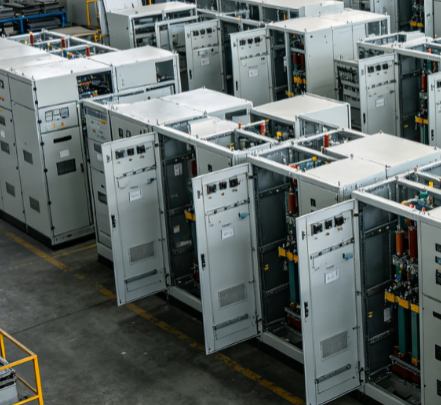
Selecting the right prefabricated box-type transformer for tight installation environments requires careful planning and understanding of your facility's constraints. When space limitations present a challenge, a prefabricated box-type transformer with compact design becomes essential to meet operational demands without requiring extensive land acquisition or costly infrastructure modifications. This decision directly impacts installation timelines, operational efficiency, and overall project costs.
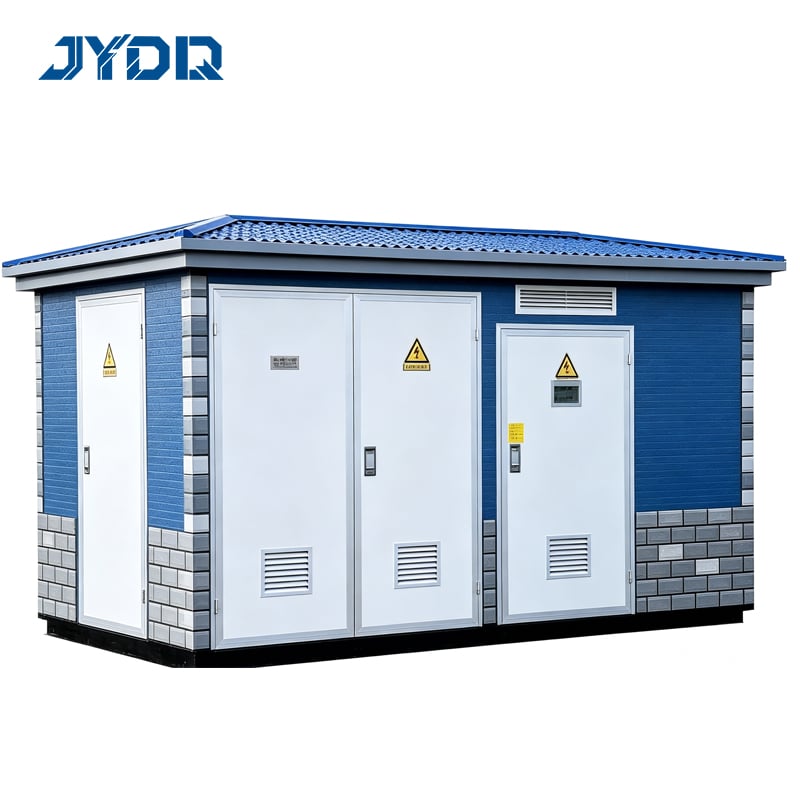
Urban industrial facilities, data centers, and commercial complexes frequently face constraints where traditional substation layouts prove impractical. The compact design of modern prefabricated solutions enables rapid deployment while maintaining full operational capacity. Understanding the selection criteria for prefabricated equipment ensures your project aligns with site-specific requirements and regulatory compliance standards.
Understanding Compact Design Benefits for Limited Space
Space Efficiency and Installation Advantages
A compact design in prefabricated box-type transformer units directly reduces the footprint required for electrical infrastructure. Unlike conventional substations requiring extensive concrete pads and additional clearance zones, these units integrate all components—transformer, switchgear, protection systems, and cooling mechanisms—into a single unified module. This integration eliminates redundant infrastructure and simplifies site planning for limited space applications. Installation crews can position these prefabricated units in constrained environments such as rooftops, parking structures, or compact industrial lots without significant earthwork or site preparation.
Rapid Deployment in Confined Areas
The prefabricated box-type transformer arrives at your facility substantially pre-assembled, dramatically reducing on-site construction time. When limited space prevents traditional assembly approaches, this factory-completed configuration becomes invaluable. Technicians need only establish utility connections and safety perimeters rather than managing weeks of field fabrication and assembly delays. For projects where construction windows are restricted or where space constraints create logistical challenges, the compact design delivers substantial timeline benefits.
Critical Site Planning and Assessment Factors
Measuring and Documenting Space Constraints
Effective site planning begins with precise measurements of the available installation area. Determine exact dimensions including height clearances, width constraints, and depth limitations. Document proximity to existing structures, utilities, and access routes. Record environmental factors such as ambient temperature ranges, exposure to weather elements, and potential sources of vibration or interference. These measurements inform whether a prefabricated box-type transformer with compact design will physically fit and operate effectively within your intended location. Undersized assessments lead to failed installations; oversized units waste valuable limited space.
Access Routes and Installation Logistics
Even the most compact prefabricated unit requires delivery access and installation methodology suitable to your site. Evaluate whether standard delivery vehicles can reach the installation point or whether specialized equipment like cranes or smaller transport vehicles are necessary. For limited space environments, verify that narrow corridors, stairs, or rooftop access accommodate the unit dimensions. Document loading dock dimensions, ceiling heights, and turn radiuses. These logistics directly affect installation costs and feasibility. Poor access planning transforms what appears to be a viable compact solution into an expensive or impossible installation scenario.
Electrical Requirements and Configuration Selection
Load Calculations and Capacity Matching
A prefabricated box-type transformer must match your facility's electrical demand precisely. Calculate peak loads, growth projections, and contingency requirements before selecting capacity ratings. Oversizing wastes space and capital; undersizing creates reliability risks and future expansion problems. Voltage requirements, three-phase or single-phase configuration, and frequency specifications must align with your electrical grid and equipment specifications. Work with your electrical engineer to determine whether a compact design at your required capacity exists or whether alternative configurations would better serve your limited space facility.
Cooling and Environmental Compatibility
Cooling systems in compact design prefabricated units must function effectively within your site environment. Oil-cooled transformers require different ventilation approaches than air-cooled alternatives. Limited space installations may restrict ventilation pathways, requiring sealed cooling systems or alternative technologies. Ambient temperature extremes, seasonal variations, and potential obstructions near cooling vents must be factored into equipment selection. A compact design that cannot maintain proper operating temperature becomes operationally unreliable regardless of its space efficiency benefits.
Regulatory Compliance and Safety Considerations
Distance and Isolation Requirements
Electrical codes establish minimum isolation distances between substations and occupied structures, regardless of space limitations. A prefabricated box-type transformer with compact design must still comply with clearance requirements for maintenance access and safety. Verify that local regulations, national electrical standards, and utility company specifications do not prohibit your proposed installation location. Some jurisdictions impose additional restrictions on substation proximity to residential areas or sensitive facilities. Non-compliance results in project delays, rework costs, or installation prohibition despite available physical space.
Environmental and Infrastructure Standards
Prefabricated units must meet environmental standards for oil containment, noise limitations, and electromagnetic field exposure. Limited space often concentrates equipment near operational areas, increasing oversight requirements. Verify that compact design configurations include appropriate containment systems for potential fluid leakage. Confirm that noise and vibration characteristics remain acceptable for your facility type and surrounding environment. These compliance factors influence which compact design options remain viable within your specific location constraints.
FAQ
What is the minimum space required for a prefabricated box-type transformer installation?
Minimum space depends on transformer capacity, cooling type, and local code requirements. A compact design prefabricated unit typically requires roughly 12–15 feet in length, 8–10 feet in width, and 10–12 feet in height for a standard medium-capacity installation. However, your specific site planning assessment must verify exact dimensions including maintenance clearances and utility connection zones. Consult with equipment manufacturers and your electrical engineer to determine precise requirements for your application.
Can a prefabricated box-type transformer fit in a rooftop or basement installation?
Rooftop and basement installations are feasible with proper compact design equipment and site planning. Rooftop installations must verify structural capacity, vibration isolation requirements, and weather protection. Basement installations need adequate ventilation, drainage management, and access for maintenance activities. Limited space in either location demands careful assessment of delivery access, installation methodology, and ongoing operational needs. Consult structural engineers and your utility provider to confirm feasibility before committing to confined installation approaches.
How long does installation take for a prefabricated box-type transformer in limited space?
Installation timelines vary based on site preparation, utility connections, and testing requirements. A prefabricated unit with compact design typically requires 2–5 days for positioning, connection, and commissioning in straightforward limited space installations. Complex sites requiring additional infrastructure modifications or tight access logistics may extend timelines to 1–2 weeks. Pre-planning and early coordination with installation contractors enables accurate scheduling. Rush installations or unexpected site complications can significantly increase both timeline and costs, making thorough site planning essential for limited space projects.

 EN