Selecting the right Dry-Type Transformer requires careful evaluation of multiple technical factors, and transformer noise stands as one of the most overlooked yet critical considerations. Many facility managers and electrical engineers focus primarily on power rating and efficiency while underestimating the operational impact of acoustic emissions. Whether your installation is in a hospital, office building, data center, or industrial facility, transformer noise can significantly affect occupant comfort, operational efficiency, and long-term maintenance costs. Understanding how to properly evaluate noise requirements ensures you select equipment that meets both technical specifications and environmental constraints.
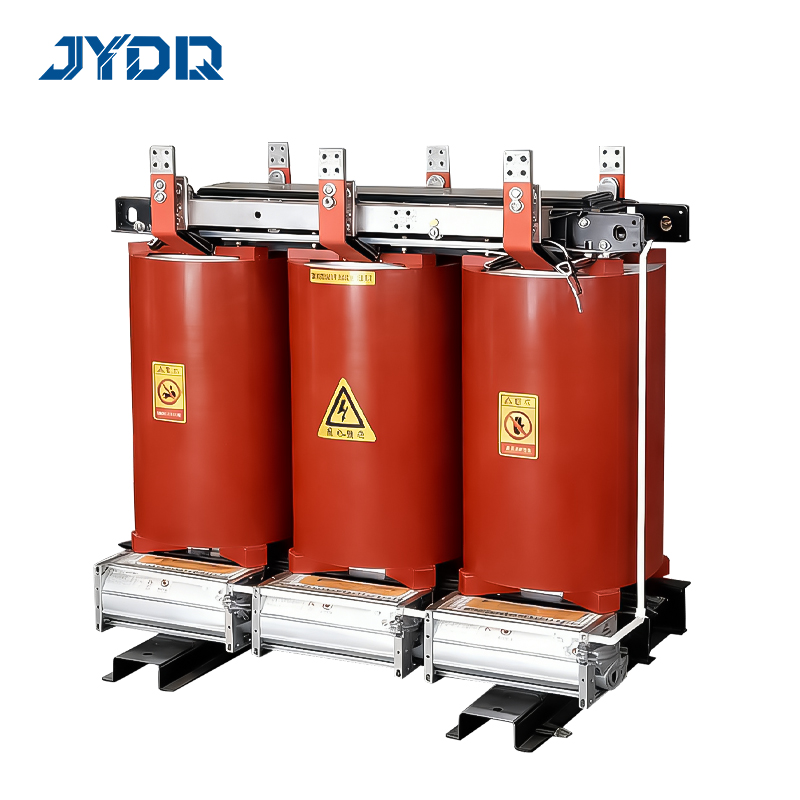
Transformer noise originates from the magnetic core and winding structures operating under alternating current. A dry-type transformer produces sound through magnetostriction, the phenomenon where ferromagnetic materials physically vibrate at twice the power frequency—typically 100 or 120 Hz depending on your regional electrical system. This fundamental frequency and its harmonics create the characteristic humming sound that operators and building occupants experience.
Understanding Transformer Noise Sources and Measurement Standards
Core Noise Generation Mechanisms
The primary noise source in any transformer stems from core vibration caused by magnetostriction. When alternating current cycles through the magnetic core, the core material expands and contracts microscopically, generating vibration at twice the line frequency. This mechanical vibration then transfers to the transformer tank, windings, and surrounding structure, which act as resonators amplifying the acoustic energy. A dry-type transformer typically generates sound levels ranging from 70 to 90 decibels at one meter distance, depending on capacity, core design, and manufacturing quality.
Sound Level Measurement and Rating Systems
Transformer noise is measured according to international standards, most commonly IEC 60076-10, which specifies sound level testing procedures and decibel thresholds. Sound level measurements are taken at a standardized distance of one meter from the transformer surface, accounting for ambient background noise in the testing environment. Manufacturers provide sound level ratings expressed in decibels (dB), with higher numbers indicating louder operation. A difference of just 3 decibels represents a doubling of perceived loudness, making even small numerical variations significant in acoustic design.
Key Factors in Evaluating Noise Requirements for Your Facility
Environmental Context and Occupancy Sensitivity
Different facility types impose vastly different transformer noise tolerance levels, making environmental context essential in your evaluation process. Healthcare facilities, particularly patient rooms and sensitive diagnostic areas, typically require sound levels below 75 dB to avoid patient disturbance and ensure diagnostic accuracy. Office buildings demand transformer noise under 80 dB in occupied spaces to maintain productivity and employee comfort. Data centers and server rooms can tolerate slightly higher transformer noise but still require careful installation planning to prevent acoustic stress on equipment and personnel working in adjacent areas. Industrial facilities and utility substations often allow higher sound levels, yet even these environments benefit from noise reduction to protect worker hearing health and minimize vibration-induced equipment fatigue.
Space Proximity and Installation Planning Constraints
The physical relationship between the transformer and occupied spaces directly determines the acoustic impact you will experience. Transformers installed in dedicated equipment rooms with proper door seals and insulation can tolerate slightly higher sound levels than units mounted in open areas or near walls that face occupied zones. Installation planning must account for distance attenuation—sound level decreases approximately 6 dB for every doubling of distance from the source. A transformer 10 meters from an office will produce noticeably less perceived noise than one located 2 meters away, even if the source emission is identical. When evaluating your facility layout, consider whether the transformer can be relocated to maximize distance from sensitive areas, whether acoustic barriers or enclosures are practical, and whether the mounting structure itself will amplify vibration.
Regulatory Compliance and Local Standards
Many jurisdictions impose specific transformer noise limits through building codes, environmental regulations, or noise ordinance standards. European Union regulations under the EcoDesign Directive establish sound level thresholds for transformer equipment, with stricter requirements for transformers installed in urban areas. The United States lacks federal transformer noise limits in most cases, but local municipal codes, particularly in densely populated regions, may impose acoustic standards. Before finalizing your noise requirement evaluation, verify applicable local regulations to ensure compliance and avoid operational shutdowns or costly equipment replacement. Some facilities voluntarily adopt stricter standards than legally required to maintain corporate environmental commitments or community relationships. Incorporating regulatory compliance into your installation planning from the outset prevents project delays and ensures your equipment selection process addresses all applicable sound level constraints.
Practical Strategies for Noise Evaluation and Mitigation
Acoustic Measurement and Field Assessment Protocols
When evaluating transformer noise requirements, relying solely on manufacturer specifications may not reflect real-world acoustic conditions in your specific facility. Conducting on-site acoustic surveys using calibrated sound level meters provides empirical data about baseline noise from existing equipment and environmental background sound levels. This data establishes your realistic noise budget—the maximum allowable transformer contribution expressed in decibels. If your facility background noise averages 65 dB and regulatory compliance requires total sound below 75 dB, your transformer can contribute a maximum of approximately 72 dB. Taking these measurements at the proposed installation location, at occupied nearby spaces, and at various times captures the acoustic environment's true character. This field assessment data transforms abstract noise specifications into concrete facility-specific targets that guide your dry-type transformer selection and installation planning decisions.
Noise Reduction Technologies and Mounting Solutions
Modern transformer noise management extends far beyond selecting quieter equipment. Vibration isolation mounting systems decouple the transformer from the building structure, preventing vibration transmission into walls and floors that would amplify the acoustic signal. Elastomer pads, spring isolators, and specialized transformer feet reduce noise transmission by 10 to 20 dB in many applications. Acoustic enclosures constructed from absorbent materials like mineral wool, fiberglass, and acoustic foam further reduce sound propagation while maintaining necessary ventilation and cooling efficiency. For critical installations, layered approaches combining low-noise transformers, vibration isolation, and partial acoustic enclosures achieve the most dramatic sound level reductions. During installation planning, budget for these complementary solutions rather than assuming the transformer unit alone will meet noise requirements.
Equipment Selection and Specification Development
Incorporating noise requirements into your technical specifications ensures transformer vendors understand your acoustic constraints and can recommend appropriate equipment. Clearly state your maximum allowable transformer sound level in your request for quotation, specifying the measurement distance (typically one meter) and reference standard used. Request certification documentation proving sound level compliance, as manufacturers are required to test transformers according to IEC 60076-10 standards. When comparing bids from different manufacturers, ensure all quotes reference the same sound level measurement protocol—some suppliers may use different testing methods yielding non-comparable results. Specify that the dry-type transformer meets your sound level requirements under full-load operating conditions, as some equipment operates quieter at partial loads and louder at maximum capacity. Including these acoustic specifications in your equipment contracts provides clear accountability and documentation supporting your installation planning decisions.
FAQ
What is the typical sound level produced by a Dry-Type Transformer under normal operation?
Standard dry-type transformers typically produce sound levels between 70 and 90 dB at one meter distance, with larger capacity units generally operating louder than smaller units. The exact sound level depends on transformer size, core design, manufacturing quality, and load conditions. Most facility applications fall in the 75 to 85 dB range at rated capacity, which is comparable to normal office conversation volume. Manufacturers provide specific sound level ratings in equipment datasheets, allowing facility planners to compare options during installation planning and ensure selections meet facility-specific noise requirements and regulatory compliance thresholds.
How does installation planning affect actual transformer noise experienced in a facility?
Installation planning profoundly influences perceived noise through mounting location, distance from occupied spaces, and vibration isolation approaches. Proper vibration mounting can reduce transmitted sound by 10 to 20 dB, effectively making a moderately loud transformer sound quiet to building occupants. Locating equipment in dedicated rooms with acoustic treatment reduces noise propagation more cost-effectively than upgrading to premium low-noise units. Distance attenuation means doubling the distance from the transformer halves the perceived loudness. Strategic installation planning that incorporates these factors often achieves noise compliance more economically than relying solely on selecting the quietest transformer model available from manufacturers.
What standards and regulations govern transformer noise requirements for commercial installations?
Transformer sound level testing and requirements are primarily governed by international standards like IEC 60076-10, which defines measurement procedures and establishes baseline thresholds. The European Union enforces stricter transformer noise limits through EcoDesign Directive regulations applicable to equipment sold in EU markets. In the United States, federal standards do not impose uniform transformer noise limits, but local building codes in densely populated areas often establish sound level restrictions. Facility managers must verify applicable local ordinances during installation planning to ensure compliance. Many organizations voluntarily adopt stricter standards than legally required, making it essential to clarify your specific facility's noise targets early in the equipment procurement and installation planning process.

 EN