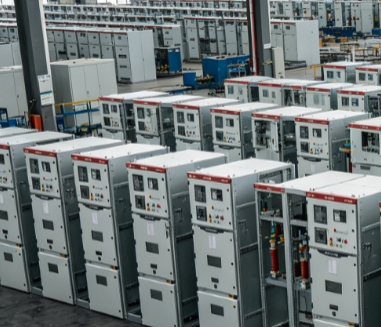
Selecting the correct circuit breaker for a low voltage distribution panel is one of the most critical decisions in electrical system design and safety compliance. The breaker serves as the primary protection device, preventing overcurrent conditions, short circuits, and potential equipment damage or fire hazards. Every industrial facility, commercial building, and power distribution network relies on proper breaker selection to ensure operational continuity and personnel safety. Understanding the technical requirements, load characteristics, and regulatory standards that govern this selection process is essential for engineers, electrical contractors, and facility managers.
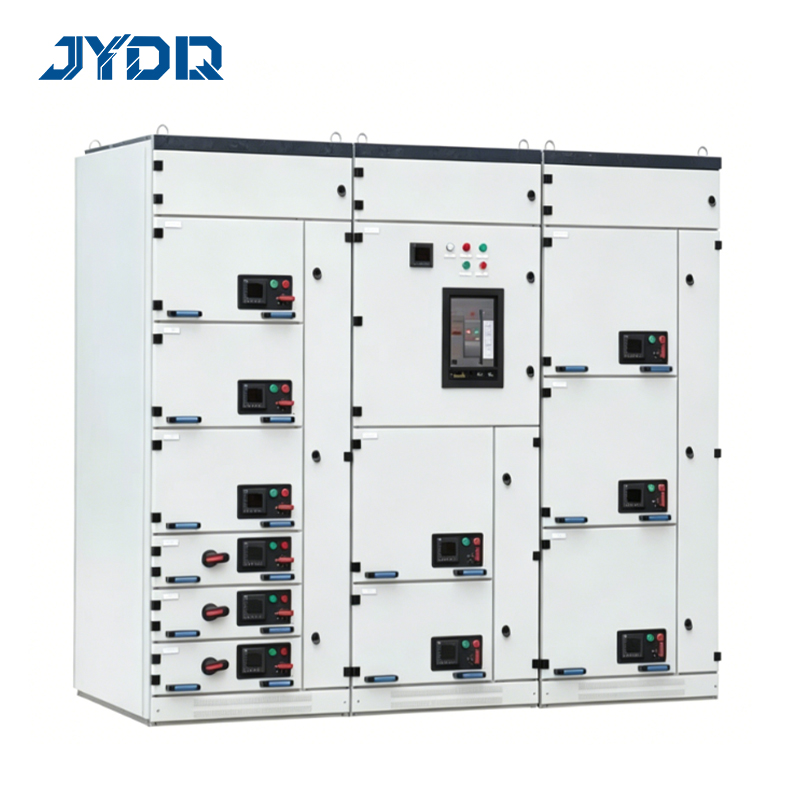
The process of selecting breakers for your LV panel involves evaluating multiple interconnected factors including nominal voltage ratings, current capacity, fault level tolerance, and application context. A well-designed low voltage distribution panel with appropriately sized circuit breaker components ensures that electrical loads remain protected throughout normal operation and fault conditions. This guide walks through the essential technical considerations, selection methodology, and practical implementation steps that help you make informed breaker choices aligned with system requirements and safety standards.
Understanding Breaker Ratings and Panel Requirements
Nominal Voltage and Current Capacity
The foundation of circuit breaker selection begins with establishing the correct voltage and current parameters for your LV panel. Standard low voltage distribution panels typically operate at 230V, 400V, or 690V depending on regional standards and industrial requirements. The circuit breaker must be rated to match or exceed the system voltage to prevent insulation breakdown and ensure safe interruption during fault events. Current capacity selection depends on the connected load, with typical industrial breakers ranging from 16A to 6300A or higher for large distribution applications.
Undersized breakers create nuisance trips that disrupt production, while oversized breakers fail to provide adequate protection to downstream equipment. The protection device must carry normal operating current continuously without thermal stress while responding rapidly to overcurrent or short circuit conditions. For a low voltage distribution panel serving mixed loads, individual circuit branches may require breaker ratings of 32A, 63A, 125A, or 250A depending on equipment power demand and diversity factors. Selecting the appropriate current rating involves load analysis, diversity calculations, and coordination with upstream protection schemes.
Fault Level and Breaking Capacity
Breaking capacity represents the maximum fault current that a circuit breaker can safely interrupt without damage or hazardous arc conditions. Industrial LV panels must accommodate the fault level generated by the supply transformer and network impedance. A typical low voltage distribution panel in industrial settings might experience prospective fault currents ranging from 10 kA to 50 kA or higher depending on transformer rating and supply configuration. The selected circuit breaker breaking capacity must equal or exceed the calculated prospective short circuit current at that installation point.
When breaking capacity is insufficient, the breaker may fail to open under severe fault conditions, leading to dangerous arc flash incidents, equipment destruction, or fire risk. Modern industrial standards require detailed short circuit calculations and documented proof that every protection device in the LV panel can safely interrupt the maximum probable fault. This analysis becomes especially critical in facilities with large transformer ratings, low supply impedance, or networked power systems where fault levels are inherently higher.
Load Characteristics and Breaker Type Selection
Thermal and Magnetic Characteristics
Selecting the right protection device requires matching the circuit breaker's thermal and magnetic trip characteristics to the load profile of connected equipment. Resistive loads such as heaters and lighting demand standard trip curves that respond proportionally to sustained overcurrent conditions. Inductive loads including motors, transformers, and compressors draw high inrush currents during startup, requiring breakers with delayed magnetic trip characteristics to prevent nuisance operations during legitimate transient conditions. A low voltage distribution panel serving a manufacturing facility with numerous motor connections must use breaker types that tolerate controlled inrush peaks while maintaining fast fault protection.
Industrial circuit breakers offer multiple curve options, typically designated as Type B, Type C, or Type D in European standards. Type B breakers trip between 3–5 times rated current and suit general-purpose loads with minimal inrush. Type C breakers trip at 5–10 times rated current and handle moderate inrush loads such as small motors. Type D breakers, with magnetic trip points between 10–20 times rated current, protect circuits feeding large motor banks or high-inrush equipment. Proper curve selection ensures that each circuit branch in your LV panel achieves selective coordination and avoids nuisance trips while maintaining fast fault response.
Environmental and Application Context
The physical environment where your low voltage distribution panel operates influences breaker selection through temperature rise, pollution levels, and ambient conditions. Breakers rated for indoor industrial facilities may not be suitable for outdoor installations, marine environments, or harsh chemical exposure zones. Environmental protection levels, designated as IP ratings, ensure that the LV panel and its circuit breaker components resist dust, moisture, and corrosive atmospheres. Additionally, certain applications require specialized breaker features such as earth leakage protection in systems serving portable equipment or sensitive electronic loads.
Thermal derating becomes necessary in installations where the LV panel operates at elevated ambient temperatures or in poorly ventilated spaces. A circuit breaker rated 100A at 20°C ambient may need to be downsized to 80A or 63A if the panel operates at 40°C or higher. Similarly, installations with frequent on-off switching, regenerative loads, or harmonic distortion require assessment of cumulative thermal stress and potential need for upgraded breaker ratings. These environmental adjustments ensure that protection devices function reliably across their operational lifetime without premature aging or failure.
Coordination, Selectivity, and Compliance Standards
Selective Coordination and Cascade Protection
Modern industrial LV panels employ selective coordination principles to ensure that only the circuit breaker closest to the fault location opens, leaving upstream circuits intact. This coordination strategy minimizes production disruption, maintains supply continuity to unaffected loads, and simplifies troubleshooting. Proper selectivity requires that breaker combinations are tested and verified by manufacturers, with published coordination curves and tables that guide the selection process. When designing a low voltage distribution panel, engineers must verify that incoming main breakers, sub-distribution breakers, and final circuit breakers operate in coordinated sequence.
Cascade protection represents an alternative coordination method where faster backup breakers provide redundant protection if a primary protection device fails. This approach is common in low voltage distribution panel configurations serving critical loads or high-risk applications. The LV panel main incoming breaker must have sufficient breaking capacity to interrupt the full prospective fault, while downstream protection uses lower-rated devices with cascade coordination verified by test protocols. This layered protection strategy enhances safety margins and ensures that electrical faults are interrupted reliably even under worst-case conditions.
Standards and Regulatory Compliance
Circuit breaker selection must comply with international and regional standards governing industrial electrical installations. Standards such as IEC 60898-1 for household and commercial breakers, IEC 60947-2 for industrial-duty circuit breakers, and local electrical codes establish minimum performance requirements and testing protocols. North American installations follow ANSI/UL standards, while European facilities must adhere to EN standards and CE marking requirements. A properly designed low voltage distribution panel includes documentation demonstrating that all selected protection components meet applicable standards and that installation practices satisfy legal and regulatory obligations.
Compliance verification includes short circuit calculations, coordination studies, thermal analysis, and arc flash risk assessment. Many jurisdictions now require arc flash labeling and personal protective equipment guidance based on incident energy calculations derived from protection device specifications. The LV panel design documentation must include breaker datasheets, time-current characteristic curves, coordination diagrams, and written justification for each protection device selection. This comprehensive approach protects both personnel safety and organizational liability while demonstrating due diligence to regulatory inspectors and insurance providers.
FAQ
What is the typical breaking capacity required for industrial low voltage distribution panels?
Breaking capacity for industrial LV panels typically ranges from 10 kA to 50 kA depending on transformer rating and supply configuration. Detailed short circuit calculations must determine the prospective fault level at each breaker location, ensuring that selected circuit breaker components can safely interrupt the maximum probable fault current without damage or hazardous conditions.
How does load type influence circuit breaker selection in an LV panel?
Load type directly determines the appropriate thermal and magnetic trip characteristics needed to prevent nuisance trips while maintaining fault protection. Resistive loads require standard trip curves, while inductive motor loads need delayed magnetic characteristics to tolerate inrush current. A low voltage distribution panel serving mixed loads requires careful analysis to select breaker curves that balance selective coordination with equipment protection.
Can breaker ratings be adjusted for high-temperature environments where the LV panel operates?
Yes, thermal derating adjusts breaker current ratings downward when ambient temperatures exceed manufacturer specifications. If a low voltage distribution panel operates at 40°C instead of 20°C ambient, a 100A breaker may require derating to 80A or lower to prevent premature aging and ensure reliable protection throughout its service life.

 EN