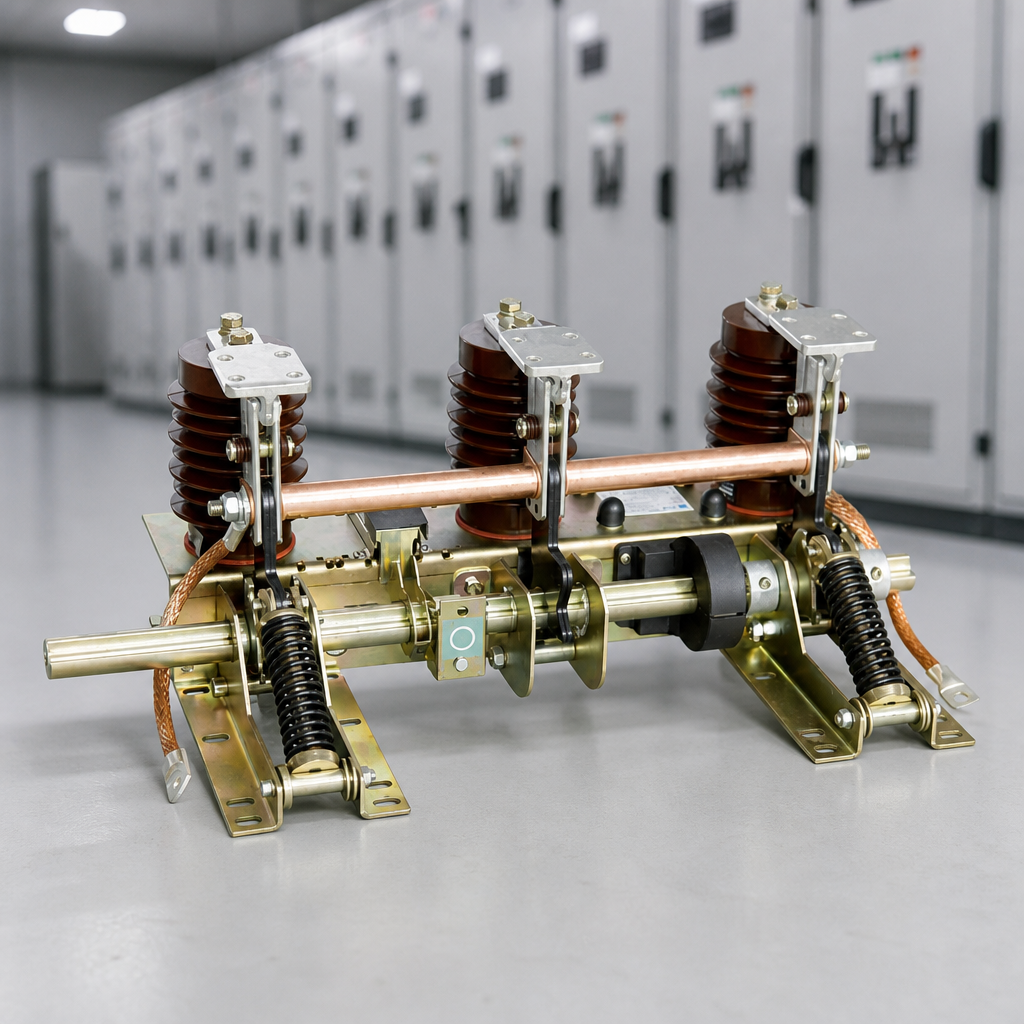
Understanding the distinction between high and low voltage switchgear is essential for anyone involved in electrical power distribution and industrial operations. Both HV switchgear and LV switchgear serve critical functions in managing electrical power, but they operate at fundamentally different voltage levels and serve distinct roles within power systems. The choice between these technologies directly impacts system reliability, operational safety, installation costs, and maintenance requirements.
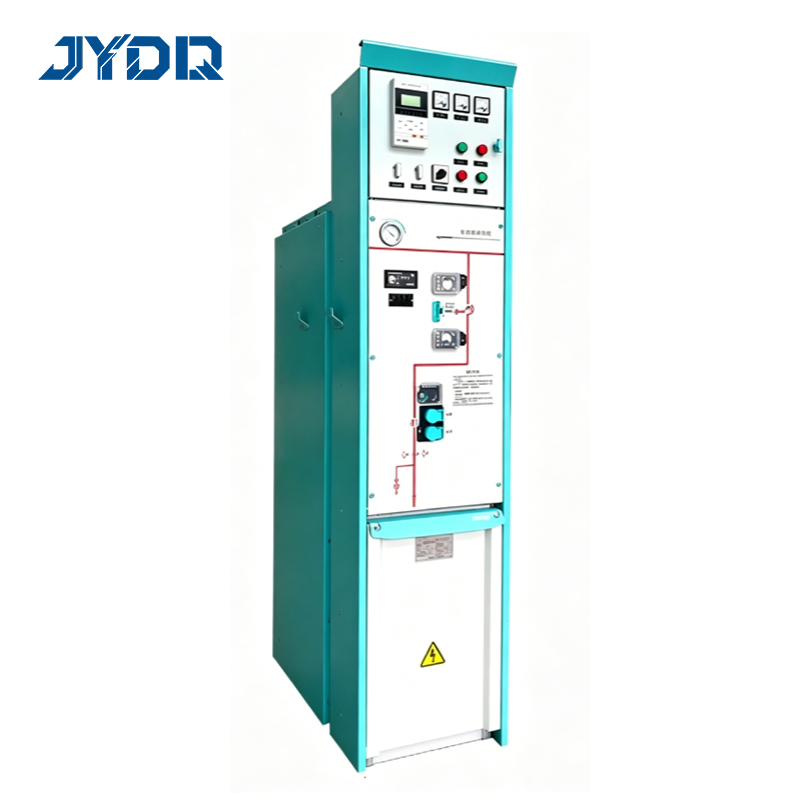
Industrial facilities, utility companies, and commercial installations must carefully evaluate whether HV switchgear or LV switchgear best suits their operational needs. High-voltage systems typically handle transmission and distribution at voltages exceeding 35 kV, while low-voltage systems operate below 1 kV. The comparison between these two technologies reveals significant differences in design philosophy, component complexity, spatial requirements, and economic considerations that influence how power is managed across different industrial and commercial applications.
Voltage Ratings and Operating Ranges
Understanding Voltage Classifications
The fundamental distinction in any comparison of HV switchgear versus LV switchgear lies in their operating voltage ranges. HV switchgear typically operates at voltages of 35 kV and above, with many industrial applications using 66 kV, 110 kV, or even higher ratings. LV switchgear, by contrast, functions at voltages below 1,000 volts, most commonly between 230 volts and 690 volts in industrial settings. This voltage difference creates cascade effects on every aspect of equipment design, material selection, and operational procedures.
Insulation and Arc Containment Strategies
HV switchgear requires substantially more robust insulation systems to safely contain the electrical stresses created by high voltages. Many modern HV switchgear installations employ gas insulation, particularly sulfur hexafluoride (SF6), which provides superior dielectric strength compared to air alone. LV switchgear typically relies on air insulation with smaller air gaps and simpler mechanical designs. The comparison reveals that HV switchgear demands advanced materials and manufacturing precision, while LV switchgear can use more conventional approaches due to lower electrical stresses involved in low-voltage operation.
Physical Design and Installation Considerations
Space Requirements and Footprint
One of the most visible differences in any comparison between HV switchgear and LV switchgear is their physical footprint and spatial requirements. HV switchgear requires substantial clearances around equipment to ensure safe operation and maintenance access. A typical HV switchgear installation may occupy considerable floor space in a dedicated electrical room or outdoor substation. Conversely, LV switchgear can be installed in more compact configurations, making it suitable for facilities with limited electrical room space. This distinction significantly influences facility planning and capital investment in building infrastructure.
Cooling and Environmental Control
HV switchgear, particularly gas-insulated types, often incorporates sophisticated cooling systems to manage thermal loads generated during operation. These systems may include forced-air cooling or liquid cooling circuits to maintain safe operating temperatures. LV switchgear typically generates less heat and can rely on passive cooling through natural convection or simple ventilation arrangements. The comparison demonstrates that environmental control becomes increasingly critical as voltage levels increase, requiring more complex and expensive support infrastructure for HV switchgear installations.
Operational Safety and Maintenance Protocols
Safety Procedures and Personnel Training
Operating procedures for HV switchgear demand specialized training and strict safety protocols due to the inherent hazards of high-voltage electrical systems. Personnel working with HV switchgear must complete extensive certification programs and maintain current knowledge of safety procedures. LV switchgear presents lower electrical hazard levels, though proper training remains essential. The comparison reveals that organizations investing in HV switchgear systems must budget significantly for ongoing employee training, safety equipment, and compliance documentation that exceeds requirements for LV switchgear operations.
Maintenance Intervals and Predictive Monitoring
HV switchgear typically requires more frequent maintenance cycles and often benefits from advanced monitoring technologies such as partial discharge detection and thermal imaging systems. Predictive maintenance for HV switchgear involves sophisticated diagnostics that identify potential failures before they cause operational disruptions. LV switchgear maintenance generally follows simpler schedules with more straightforward visual inspections and basic electrical testing. The comparison shows that while LV switchgear may require less frequent service, HV switchgear demands higher expertise levels but provides better visibility into equipment health through advanced monitoring capabilities.
Application Scenarios and Selection Criteria
Utility and Transmission Applications
HV switchgear dominates utility-scale power transmission and distribution networks where high-capacity power transfers across long distances require elevated voltage levels for efficiency. Substations interconnecting regional power grids almost exclusively employ HV switchgear. Large industrial facilities receiving power directly from utility transmission lines also require HV switchgear installations at their primary service entrance. The comparison illustrates that any application involving power transmission or utility-scale distribution inherently demands HV switchgear technology.
Industrial and Commercial Distribution
LV switchgear serves the secondary distribution role within industrial facilities and commercial buildings, managing power after step-down transformers reduce voltage to usable levels. Manufacturing plants, office buildings, hospitals, and data centers all employ LV switchgear for their internal electrical distribution systems. The comparison indicates that while HV switchgear handles power delivery at the facility boundary, LV switchgear manages internal power distribution within the facility. Understanding this distribution hierarchy helps organizations select appropriate equipment for each system tier.
FAQ
What voltage levels define HV switchgear and LV switchgear?
HV switchgear typically operates at voltages of 35 kV and above, including 66 kV, 110 kV, 220 kV, and higher ratings used in transmission systems. LV switchgear operates at voltages below 1,000 volts, commonly ranging from 230 to 690 volts in industrial applications. This voltage distinction creates fundamental differences in equipment design, insulation requirements, and operational procedures throughout the system lifecycle.
Why do HV switchgear installations cost significantly more than LV switchgear?
HV switchgear requires advanced materials, sophisticated insulation systems (often gas-insulated designs), precision manufacturing, extensive testing protocols, and specialized installation expertise, all contributing to higher equipment costs. Additionally, HV switchgear demands larger physical footprints, more complex support infrastructure, and greater maintenance investment. The comparison reveals that the premium pricing for HV switchgear reflects the substantially greater engineering complexity and safety requirements inherent in high-voltage systems compared to simpler low-voltage equipment.
Can LV switchgear ever replace HV switchgear in industrial applications?
No, LV switchgear cannot replace HV switchgear in utility transmission or primary distribution roles due to fundamental technical and regulatory limitations. However, both types coexist in most industrial facilities, with HV switchgear handling primary power delivery and LV switchgear managing secondary distribution. The comparison shows that each technology serves its specific voltage tier; attempting to use LV switchgear where HV is required would create serious safety hazards and violate electrical codes.

 EN