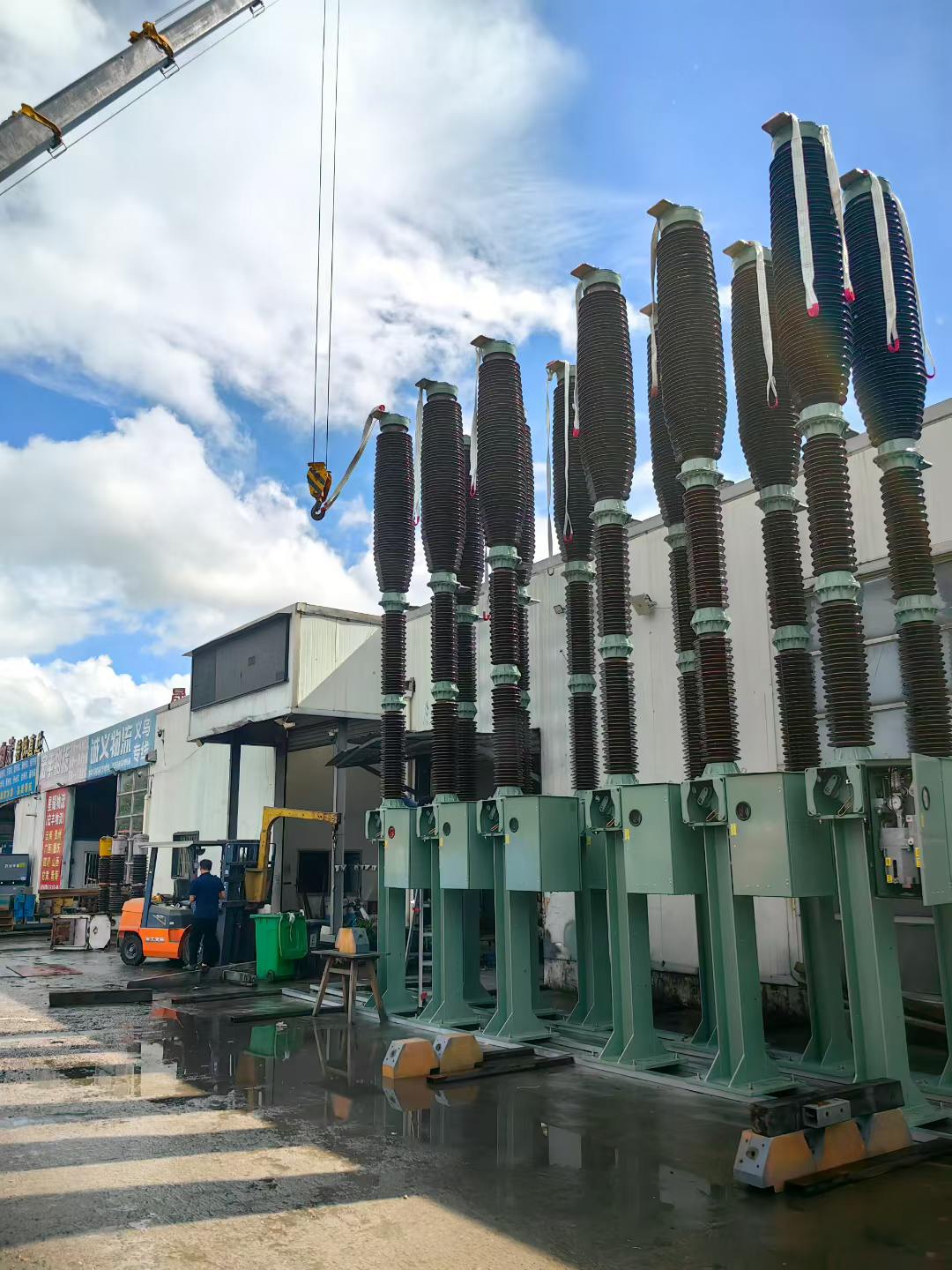
When evaluating electrical distribution infrastructure, understanding the role and capabilities of a vacuum circuit breaker becomes essential for informed purchasing decisions. The 12kV VCB represents a critical component in modern medium voltage systems, offering superior performance characteristics that differ significantly from traditional oil-filled or air-blast alternatives. Buyers entering this market must recognize the technical specifications, operational advantages, and application scenarios that define successful deployments in distribution networks.
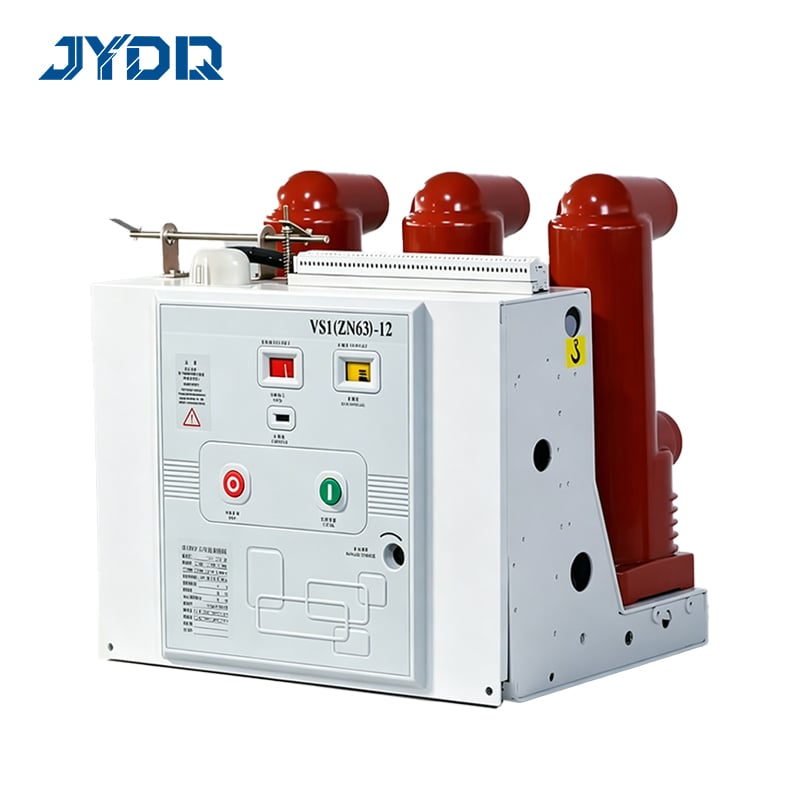
The medium voltage landscape demands equipment that balances reliability, efficiency, and maintenance requirements. A 12kV VCB excels across these dimensions, making it the preferred choice for utilities, industrial facilities, and commercial distribution operators. This guide addresses the core knowledge areas that distinguish successful buyers from those unprepared for the technical realities of vacuum switching technology in distribution applications.
Core Technical Characteristics of 12kV VCB Systems
Vacuum Interruption Mechanism and Performance
The fundamental principle behind 12kV VCB technology involves creating an electrical arc in a vacuum environment, where ionized particles have minimal atmospheric interference. Unlike medium voltage systems relying on air or oil, vacuum interruption eliminates the risk of explosion or ignition, providing inherent safety benefits. The arc extinguishes naturally when current reaches zero, allowing the contacts to separate cleanly without the need for external quenching mechanisms. Buyers should understand that this vacuum environment enables faster breaking times, typically between 40 to 100 milliseconds, which translates to superior protection against fault currents in distribution networks.
The dielectric strength of vacuum is exceptional, allowing compact equipment design without sacrificing electrical performance. A 12kV VCB maintains stable arc characteristics across varying load conditions, ensuring consistent switching reliability whether handling nominal currents or emergency fault scenarios. This predictability is crucial for distribution operators who require confidence in equipment response during crisis conditions, making vacuum circuit breaker technology the foundation of modern medium voltage protection.
Maintenance and Operational Lifespan
Maintenance requirements differentiate 12kV VCB solutions from conventional medium voltage alternatives. Vacuum interrupters are sealed units with minimal contact degradation over millions of switching cycles. The absence of oil means no degradation products accumulate, no fluid monitoring is required, and environmental compliance becomes straightforward. Buyers benefit from extended intervals between inspections, reduced spare parts inventory, and lower operational overhead throughout the equipment's service life in distribution systems.
Environmental factors that plague oil-filled medium voltage equipment pose no threat to vacuum circuit breaker installations. Temperature fluctuations, moisture ingress, and contamination have negligible impact on vacuum interruption performance. This resilience is particularly valuable in challenging climates or industrial environments where traditional medium voltage protection struggles. The typical operational lifespan exceeds 20 years with minimal intervention, representing a significant total cost of ownership advantage for distribution managers.
Application Scenarios in Distribution Networks
Feeder Protection and Load Switching
The 12kV VCB serves as the backbone of feeder protection in distribution systems, controlling power flow to substations, industrial plants, and commercial facilities. Buyers implementing these devices experience improved fault isolation speed, reducing cascading outages and protecting connected equipment from sustained overvoltage conditions. The medium voltage classification makes 12kV VCBs ideal for main distribution boards where multiple feeders converge, requiring sophisticated switching logic and rapid response capabilities that vacuum technology provides inherently.
Load switching applications within distribution networks benefit from the vacuum circuit breaker's ability to handle frequent operations without performance degradation. Unlike traditional medium voltage solutions that degrade with operational cycles, a 12kV VCB maintains consistent switching characteristics throughout its lifespan. This reliability enables utilities to implement demand-side management strategies, load balancing algorithms, and preventive switching operations that would compromise conventional equipment. Buyers gain operational flexibility that modern distribution management demands.
Fault Clearing and System Protection
When short circuits occur in distribution networks, the speed of fault clearing directly impacts system stability and equipment protection. The 12kV VCB responds to fault currents with millisecond-level precision, isolating affected sections before destructive forces cascade through the network. The vacuum interruption mechanism prevents arc reignition, a critical failure mode in medium voltage systems where multiple fault paths exist. Buyers must appreciate that this reliable fault clearing prevents transformer damage, cable insulation failure, and secondary equipment failure that can extend outage duration significantly.
The coordination logic required in modern distribution systems demands protective devices that respond predictably across a wide range of fault magnitudes. Vacuum circuit breaker technology provides this consistency, enabling buyers to implement selective protection schemes that isolate only the faulted section while maintaining service to unaffected distribution areas. This selectivity is fundamental to grid reliability and customer service continuity in today's medium voltage networks.
Critical Considerations for Procurement Decisions
Compatibility with Existing Infrastructure
Buyers integrating a vacuum circuit breaker into established distribution networks must verify compatibility with existing control systems, relay configurations, and physical mounting arrangements. The 12kV VCB operates at medium voltage levels consistent with traditional equipment, but control interfaces and trip signal protocols may differ from older generations. Retrofitting projects require detailed engineering assessment to ensure that new VCB installations communicate properly with legacy protection relays and SCADA systems managing the distribution network.
Physical space requirements for 12kV VCB installations differ from conventional medium voltage alternatives, potentially requiring substation layouts to accommodate vacuum interrupter dimensions. Buyers should commission detailed site surveys before equipment procurement, ensuring that installed units will fit designated locations without requiring costly structural modifications. This planning eliminates delays and cost overruns that plague poorly coordinated equipment upgrades in distribution infrastructure.
Performance Specifications and Selection Criteria
Critical specifications determine whether a particular 12kV VCB model suits specific distribution applications. Breaking capacity must match or exceed the maximum fault current available at the installation point, typically ranging from 12.5 to 40 kA depending on system configuration. Current rating should match or exceed the continuous feeder current, ensuring the vacuum circuit breaker operates within its thermal design envelope during normal distribution operations. Buyers must verify that the selected medium voltage unit includes suitable closing springs for manual or motorized operation consistent with operational procedures at their facility.
Coil specifications for trip mechanisms must align with available control voltages at the substation, whether direct current or alternating current supply. The 12kV VCB's insulation system must accommodate the voltage stress present in the distribution network, typically requiring phase-to-ground clearances of 500 mm or greater depending on pollution levels. Buyers who carefully specify these parameters ensure reliable operation throughout the equipment's service life without premature failure or incompatibility issues affecting distribution reliability.
FAQ
What maintenance schedule should facilities follow for 12kV VCB equipment?
Annual visual inspections are recommended to verify proper mounting, cable connections, and absence of physical damage. Vacuum circuit breaker contacts require no dressing or replacement unless mechanical damage occurs, and the vacuum chamber itself needs no maintenance activity. Thermal imaging during normal operation can identify loose connections generating heat, while periodic mechanical operation tests verify that the equipment responds to control signals correctly within the specified trip times.
How does a vacuum circuit breaker handle inrush currents in distribution systems?
The 12kV VCB's contact mechanism has inherent resistance to the mechanical stress of inrush current surge, which differs from steady-state fault current only in duration. The vacuum interruption process extinguishes the arc regardless of current magnitude, so inrush currents that might cause issues in medium voltage systems using other technologies are handled without special concern. Buyers benefit from this inherent capability without requiring additional inrush limiters or specialized control logic in most distribution applications.
Can 12kV VCB units be retrofitted into older medium voltage substations?
Retrofitting is feasible when the existing medium voltage switchgear structure can accommodate vacuum circuit breaker dimensions and when compatible control and protection interfaces exist. The 12kV VCB requires the same operational philosophy as conventional equipment, though connection details may differ. Buyers should engage experienced electrical engineers to evaluate the specific substation design, control system architecture, and safety requirements before committing to a retrofit project, as site-specific conditions determine feasibility and cost.

 EN