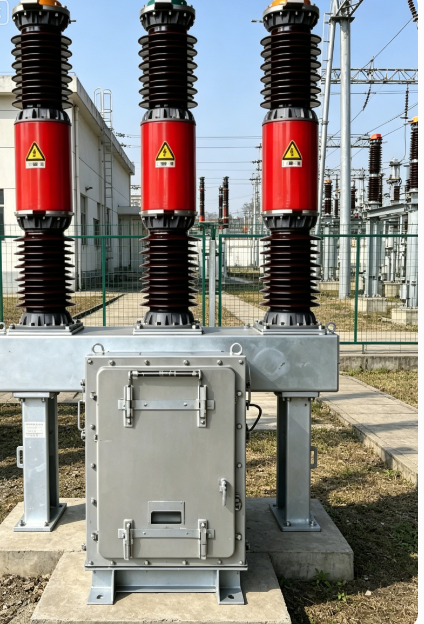
Engineering, procurement, and construction teams face significant project risks when ordering high and low voltage switchgear without proper verification. The stakes are exceptionally high because switchgear directly affects system reliability, safety compliance, and project timelines. Overlooking critical confirmations during EPC can lead to equipment incompatibility, installation delays, budget overruns, and operational failures that extend far beyond the initial commissioning phase.
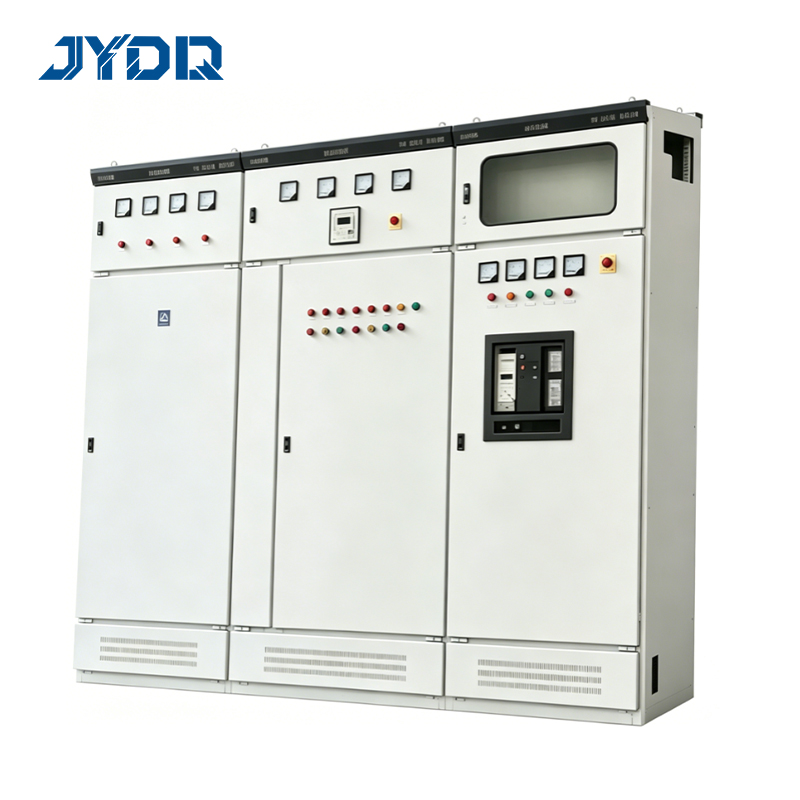
Before placing any order for high and low voltage switchgear, EPC teams must establish a structured procurement checklist that covers electrical specifications, physical integration requirements, and regulatory compliance standards. This systematic approach protects project continuity, ensures equipment meets actual site conditions, and validates that suppliers can deliver within contracted timelines and performance expectations.
Electrical and Technical Specifications Confirmation
Voltage Ratings and System Design Alignment
The foundation of any switchgear procurement decision begins with precise voltage rating verification. EPC teams must confirm that the specified voltage class matches the distribution network design, transformer outputs, and load requirements documented in engineering drawings. High and low voltage switchgear operates within defined parameters, and mismatches create safety hazards and equipment damage. Teams should cross-reference single-line diagrams, load flow studies, and utility connection specifications to validate that primary and secondary voltages align with supplier datasheets before confirmation.
Current capacity ratings demand equal scrutiny during technical confirmation. Peak loads, future expansion scenarios, and worst-case demand profiles must be reviewed against switchgear amperage ratings. EPC procurement specialists should evaluate whether the equipment supports the calculated fault levels and system contingencies outlined in short-circuit studies. This technical confirmation prevents undersized equipment from creating bottlenecks or oversized selections that inflate project costs unnecessarily.
Control and Protection Functionality
High and low voltage switchgear control schemes vary significantly based on automation requirements, metering capabilities, and protection philosophy. Before procurement decisions are finalized, EPC teams must confirm whether the equipment includes integrated overcurrent protection, selective coordination logic, or communication interfaces required by the control system design. Technical confirmation should verify that relay settings, trip curves, and protection schemes align with network protection coordination plans and utility requirements.
Metering and monitoring capabilities represent another critical technical confirmation area. Modern switchgear installations often include power quality monitoring, energy consumption tracking, and fault logging features that support operational visibility and predictive maintenance strategies. EPC procurement teams should verify that available instrumentation meets project specifications before ordering, as retrofitting or upgrading monitoring capabilities after installation often proves costly and disruptive.
Physical Integration and Site Readiness Verification
Space and Mounting Constraints
The physical footprint of high and low voltage switchgear extends beyond simple dimension measurements. EPC teams must confirm that available electrical room space accommodates not only the switchgear enclosure but also cable routing, ventilation clearances, and maintenance access requirements. Site surveys should verify ceiling heights, door widths, and structural capacity to support equipment weight without requiring costly modifications. This procurement confirmation prevents delivery complications and installation delays caused by physical incompatibilities between equipment dimensions and facility constraints.
Environmental conditions at the installation site directly impact switchgear reliability and operational life. EPC teams should confirm ambient temperature ranges, humidity levels, and atmospheric contamination classifications before finalizing procurement specifications. High and low voltage switchgear designed for standard indoor environments may require enhanced corrosion protection, ventilation modifications, or sealed enclosures when installed in harsh industrial or coastal locations. This technical confirmation ensures the ordered equipment matches actual site conditions rather than generic indoor assumptions.
Utility and System Interconnection Requirements
Successful switchgear integration depends heavily on utility interconnection standards and network protection coordination requirements. EPC procurement teams must confirm with utility providers whether the selected equipment meets voltage regulation parameters, harmonic distortion limits, and protective relay coordination standards mandated for grid connection. This technical confirmation process often involves formal utility approval steps that impact equipment selection and may require specification adjustments before ordering.
Cable and conductor sizing directly relates to switchgear terminal capabilities and connection requirements. EPC teams should verify that incoming and outgoing cable gauges, insulation types, and connection terminals match the switchgear specifications documented during technical confirmation. Mismatched cable and terminal configurations create installation bottlenecks, increase connection resistance, and compromise system performance even when primary electrical specifications appear correct.
Compliance, Delivery, and Supplier Capability Validation
Regulatory Standards and Certification Verification
High and low voltage switchgear must comply with applicable electrical codes, national standards, and industry certifications relevant to the project location and application. EPC procurement teams should confirm that selected equipment holds required certifications such as IEC, IEEE, or local regulatory approvals before finalizing orders. This compliance confirmation step validates that the supplier's manufacturing processes, quality controls, and documentation meet contractual obligations and regulatory expectations. Missing certifications can halt project commissioning and require equipment replacement at substantial cost and schedule impact.
Documentation requirements for high and low voltage switchgear procurement extend beyond basic specifications to include test certificates, factory acceptance testing protocols, and operational manuals. EPC teams should confirm that suppliers will provide complete documentation packages, including as-built drawings, protective relay settings, and maintenance schedules before placement of orders. This technical confirmation ensures project teams possess necessary information for installation, commissioning, and long-term operational support.
Lead Times and Supplier Performance Capacity
Manufacturing lead times for specialized high and low voltage switchgear frequently exceed standard procurement assumptions. EPC procurement specialists must confirm supplier delivery capabilities, production schedules, and quality assurance timelines before finalizing purchase orders. This confirmation prevents project delays caused by extended manufacturing periods, component shortages, or supplier capacity constraints. Teams should evaluate supplier track records, assess their ability to meet contractual deadlines, and establish contingency plans if primary suppliers face unexpected delays.
Quality assurance and factory testing protocols deserve confirmation before procurement commitments. EPC teams should verify that suppliers conduct comprehensive factory acceptance testing for high and low voltage switchgear, including electrical performance verification, insulation testing, and functional validation under load conditions. This technical confirmation provides confidence that equipment will perform as specified upon arrival at the project site and minimizes risk of commissioning failures or operational issues after installation begins.
FAQ
What specific electrical data must EPC teams collect before ordering high and low voltage switchgear?
EPC procurement teams should gather voltage ratings, current capacity requirements, fault levels, protection coordination requirements, control scheme specifications, and metering capabilities from engineering documents. Additionally, confirm incoming and outgoing cable specifications, utility interconnection standards, and system frequency to ensure technical alignment with switchgear specifications. This comprehensive data collection supports accurate equipment selection and prevents specification mismatches during procurement and installation phases.
How can EPC teams verify that supplier-provided high and low voltage switchgear meets site environmental conditions?
Conduct thorough site surveys documenting ambient temperature ranges, humidity levels, atmospheric contamination classifications, and ventilation characteristics of the electrical room. Request that suppliers provide environmental operating specifications and confirm compatibility between site conditions and equipment design ratings. For harsh environments, specify enhanced protection features such as corrosion-resistant coatings, sealed enclosures, or specialized cooling systems during the procurement phase to ensure the ordered switchgear performs reliably throughout its operational life.
What lead time confirmation activities should EPC teams perform before placing orders for high and low voltage switchgear?
Contact suppliers to obtain current production schedules, manufacturing lead times, and factory testing timelines specific to the switchgear specifications required by the project. Request written confirmation of delivery dates with accountability provisions for delays. Evaluate supplier capacity utilization, assess their historical performance on similar projects, and establish backup suppliers or contingency procurement strategies if primary suppliers indicate extended lead times that might compromise project schedules.

 EN