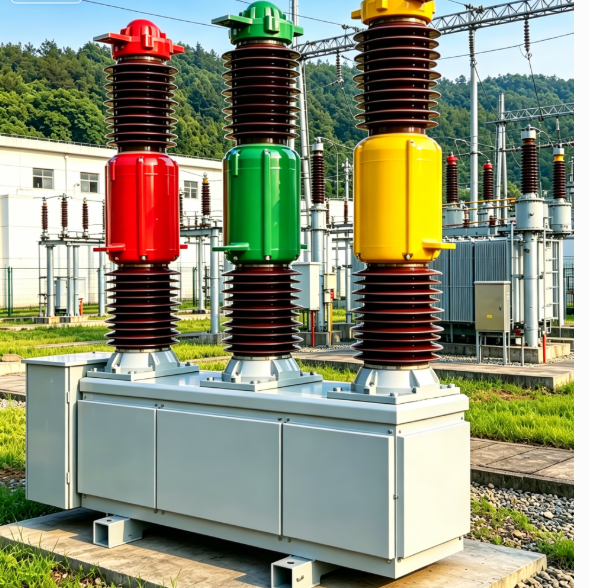
A European-Style Cable Box represents a transformative solution for managing cable branching operations in medium-voltage electrical systems. Modern industrial facilities face significant challenges when handling cable connections, particularly in environments where space constraints, safety requirements, and operational efficiency matter. This specialized equipment addresses these pain points by consolidating connection points, reducing installation complexity, and improving overall system reliability. Understanding how this cable box functions can help facility managers, electrical contractors, and plant engineers optimize their distribution networks.
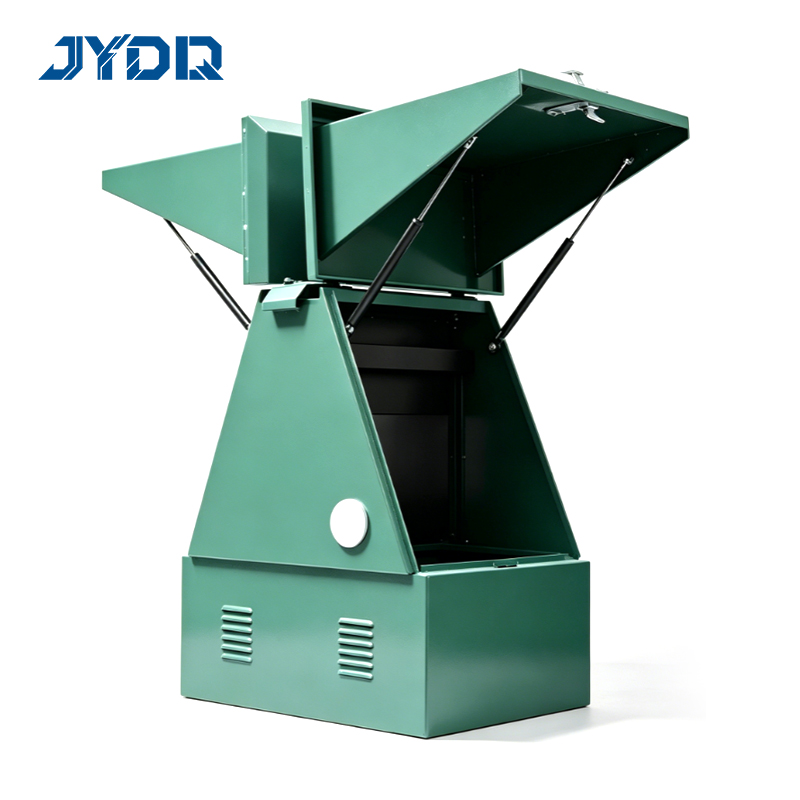
The design philosophy behind a European-Style Cable Box centers on simplifying cable branching without compromising performance or safety. Unlike traditional connection methods that scatter junction points throughout a facility, this integrated approach centralizes branching functionality into a single, standardized unit. MV cable systems particularly benefit from this consolidation, as it reduces the number of exposed connection points, minimizes potential failure modes, and ensures compliance with European electrical standards. Organizations adopting this solution typically experience faster installation times, reduced maintenance overhead, and greater operational confidence in their distribution networks.
Streamlined Cable Branching Architecture
Core Design Features
A European-Style Cable Box integrates multiple cable branching functions into a compact, modular housing that accommodates various conductor sizes and connection configurations. The unit typically includes built-in insulation systems, mechanical support structures, and dedicated spaces for terminal connections, eliminating the need for external junction boxes or temporary connection assemblies. This integrated design directly reduces cable branching complexity by allowing technicians to complete multiple connections within a single controlled environment rather than managing separate junction points across the facility. The standardized approach also ensures consistent installation procedures, which accelerates training and reduces error rates during deployment.
Space and Safety Optimization
Industrial environments often struggle with spatial constraints that complicate cable routing and connection management. A European-Style Cable Box addresses this challenge by consolidating what would normally require multiple enclosures into a single, strategically placed unit. This space efficiency extends beyond physical footprint—it also simplifies cable management, reduces trip hazards, and facilitates easier maintenance access. Safety improvements emerge naturally from the consolidated design, as technicians encounter fewer exposed connection points and benefit from clearer visual inspection pathways. MV cable systems especially benefit from these safety enhancements, as high-voltage connections demand rigorous protection standards that this box architecture inherently provides through its European design compliance.
Distribution Network Simplification
Enhanced Operational Efficiency
A distribution network becomes significantly more manageable when cable branching consolidation reduces operational complexity. The European-Style Cable Box enables cleaner network topology by allowing planners to design branching points strategically rather than creating ad-hoc connection assemblies in response to spatial or technical constraints. This planned approach improves load distribution, enables better monitoring capabilities, and facilitates future expansion without requiring complete system redesign. When networks incorporate multiple European-Style Cable Box units as part of an overall distribution strategy, the result is a more scalable, predictable system that adapts easily to changing facility requirements. Maintenance teams find that troubleshooting becomes faster and more accurate because cable branching architecture follows a consistent, documented pattern throughout the facility.
Long-Term Cost Benefits
While initial installation investment varies based on facility size and MV cable requirements, the long-term economics of a European-Style Cable Box prove compelling. Reduced installation labor, fewer spare parts to maintain, simpler troubleshooting procedures, and extended equipment lifespan collectively reduce total cost of ownership. Cable branching operations that previously demanded specialized contractors and extended downtime transitions become routine maintenance tasks. The standardized European design also means replacement components remain readily available, avoiding expensive custom fabrication delays if repairs become necessary. Organizations that implement distribution networks featuring European-Style Cable Box technology typically recover their investment through operational efficiencies within the first three to five years of service.
MV Cable System Integration
Compatibility and Performance
Medium-voltage cable systems demand precision engineering because the consequences of connection failure extend beyond single circuits—they can cascade throughout entire distribution networks. A European-Style Cable Box meets these demanding requirements through rigorous material selection, thermal management design, and insulation specifications aligned with international standards. MV cable connections within the box benefit from controlled environmental conditions, consistent contact pressure, and engineered heat dissipation pathways that maintain performance under full-load conditions. This cable box design directly addresses the technical challenges that cable branching operations face in high-voltage environments, where marginal installation quality can trigger premature failures or safety hazards.
System Reliability and Monitoring
Modern European-Style Cable Box units increasingly incorporate provisions for condition monitoring, allowing facility operators to track connection integrity, temperature, and load characteristics across cable branching points. This instrumentation capability transforms MV cable management from reactive maintenance to predictive asset management. When distribution networks leverage these monitoring features, managers gain early warning of emerging issues before they develop into failures. Cable branching points equipped with real-time diagnostics reduce unexpected outages, extend maintenance intervals, and provide data that informs future network expansion planning. Organizations operating critical infrastructure particularly value this reliability enhancement, as it translates directly to improved facility availability and reduced emergency response costs.
FAQ
What makes a European-Style Cable Box different from standard junction enclosures?
A European-Style Cable Box integrates multiple cable branching functions into a single standardized unit that complies with European electrical standards, whereas traditional junction enclosures typically house only basic connection points without integrated management features. The cable box design includes engineered insulation systems, mechanical support structures, and thermal management provisions specifically optimized for medium-voltage applications. This comprehensive approach to cable branching architecture reduces installation complexity, improves safety compliance, and facilitates future maintenance compared to assembling connection points from separate components.
How does a European-Style Cable Box simplify distribution network maintenance?
By consolidating cable branching into standardized units with consistent configurations, technicians encounter predictable layouts and documented connection procedures throughout the distribution network. A European-Style Cable Box enables faster troubleshooting because problems can be isolated to specific branching points rather than scattered junction locations, and replacement procedures follow established protocols. MV cable system maintenance becomes more efficient because the cable box architecture minimizes the number of potential failure points that technicians must monitor, inspect, and repair during routine service intervals.
Can a European-Style Cable Box accommodate future network expansion?
Yes, the modular design philosophy underlying European-Style Cable Box units enables straightforward expansion of distribution networks. Cable branching capacity can be increased by adding additional boxes to the network architecture without requiring wholesale replacement of existing infrastructure. MV cable systems benefit particularly from this scalability because new connections integrate seamlessly into the established standardized design, allowing facility managers to expand capacity responsively without disrupting operations or incurring disproportionate costs.

 EN