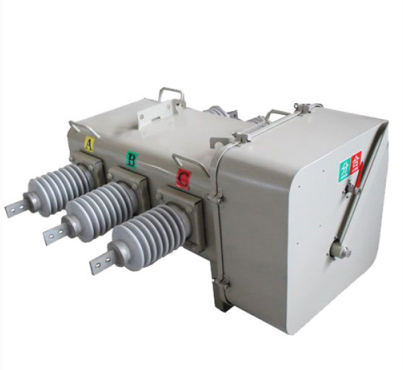
Selecting the right high and low voltage switchgear requires understanding multiple critical electrical ratings that determine equipment safety, reliability, and compatibility with your power distribution system. Many facility managers and engineers focus only on basic voltage specifications, but this narrow view often leads to equipment mismatches, operational failures, and costly downtime. The reality is that successful switchgear selection depends on mastering several interconnected ratings that work together to define how your equipment will perform under normal and fault conditions.
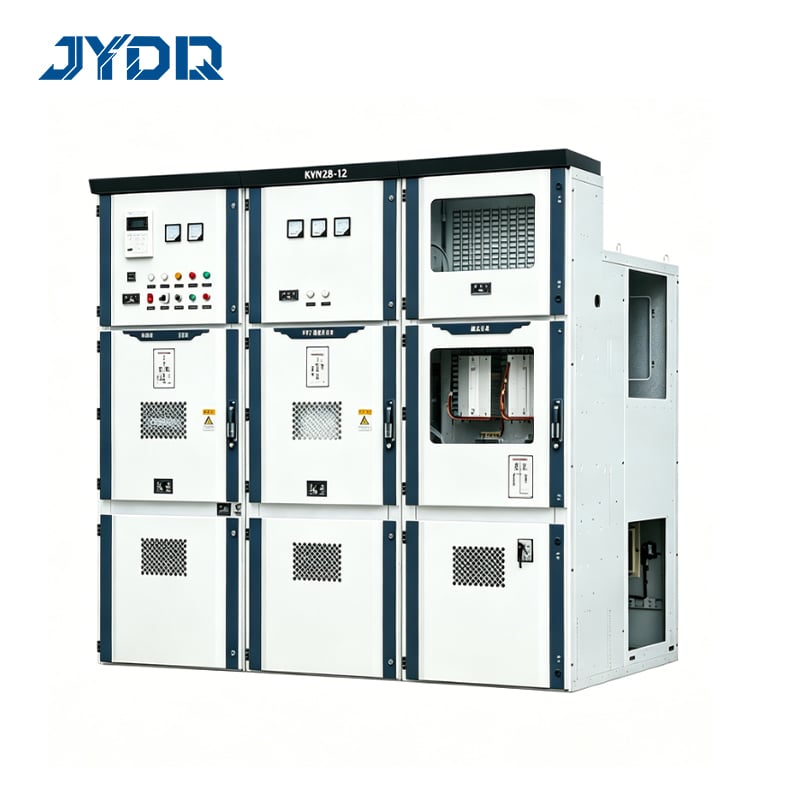
Understanding which ratings matter most transforms your procurement process from guesswork into informed decision-making. The voltage rating sits at the foundation of any switchgear selection, but it works in concert with current rating and short circuit capacity to create a complete picture of equipment capability. These three core ratings form the backbone of technical specifications, and each one addresses a distinct aspect of electrical system performance. Ignoring any one of them creates blind spots that can compromise system integrity.
Voltage Rating: The Foundation of Switchgear Selection
The voltage rating represents the maximum operational voltage at which switchgear can safely function. For high and low voltage switchgear applications, voltage ratings typically range from 0.4 kV for low voltage systems to 110 kV or higher for high voltage distribution. This rating must match or exceed your system's nominal voltage to prevent insulation breakdown, arc formation, and equipment degradation. Selecting equipment with insufficient voltage rating creates immediate risk; equipment rated above your system voltage provides a safety margin but may introduce unnecessary cost.
Nominal Versus Rated Voltage
The distinction between nominal voltage and rated voltage matters significantly in practical applications. Nominal voltage refers to your system's design specification—typically 10 kV or 35 kV for industrial facilities. The rated voltage of your switchgear must accommodate transient overvoltages that occur during switching operations and faults. Industry standards like IEC 62271-200 define maximum transient overvoltages, requiring switchgear rated 10 to 15 percent higher than nominal voltage to ensure adequate dielectric margin. Understanding this difference prevents undersizing errors that could lead to equipment failure.
Voltage Class and System Compatibility
Voltage classes standardize switchgear ratings across regions and manufacturers, simplifying procurement and interoperability. Common classes include 3.6 kV, 7.2 kV, 12 kV, 24 kV, 36 kV, and 110 kV for high and low voltage switchgear in industrial settings. Selecting switchgear within your system's standardized voltage class ensures compatibility with existing equipment, simplifies spare parts inventory, and maintains consistent protection coordination. Mixing non-standard voltage ratings across your facility creates operational complexity and increases maintenance burden.
Current Rating: Matching Load Demand and Future Growth
Current rating specifies the maximum continuous current the switchgear can safely carry without exceeding design temperature limits. This rating directly reflects the thermal capacity of busbars, contacts, and internal conductors. For high and low voltage switchgear, typical continuous current ratings range from 630 A to 4000 A depending on design and application. Undersizing current rating restricts your facility's operational flexibility; oversizing adds cost and occupies unnecessary space. The ideal approach calculates present load plus reasonable future growth margin, typically 20 to 30 percent above current requirements.
Nameplate Rating and Thermal Performance
The nameplate current rating assumes standard ambient conditions of 40°C and assumes the switchgear is not exposed to direct sunlight or confined spaces that restrict cooling airflow. Real installations often deviate from these ideal conditions. High temperature locations require derating, typically 1 to 2 percent per degree Celsius above 40°C ambient. Conversely, cooler installations allow modest uprating. Understanding your specific site conditions ensures the selected current rating delivers reliable performance without premature thermal stress or premature component failure in high and low voltage switchgear configurations.
Peak Load Considerations
While continuous current rating addresses steady-state performance, switchgear must also handle inrush currents during motor starts and transformer energization. These temporary peaks typically reach 3 to 6 times nameplate current for brief seconds. Modern high and low voltage switchgear includes enhanced thermal capacity to absorb these transient loads without triggering nuisance trips. Reviewing your facility's peak load profile—particularly seasonal variations—ensures rated current accommodates both average demand and foreseeable transient conditions.
Short Circuit Rating: Critical for Fault Condition Protection
Short circuit capacity represents the equipment's ability to safely interrupt fault currents without physical damage or hazardous arc formation. This rating defines the maximum prospective fault current—measured in kiloamperes—that switchgear can withstand and clear. For high and low voltage switchgear, short circuit ratings typically range from 16 kA to 100 kA depending on voltage class and design. This rating proves absolutely critical because faults generate electromagnetic forces that can deform busbars, weld contacts shut, or cause explosive vaporization of insulation material if interrupted incorrectly.
Symmetrical Versus Asymmetrical Fault Current
Fault current calculations must account for both symmetrical and asymmetrical components. Symmetrical short circuit current represents the steady-state fault magnitude, while asymmetrical current includes the initial DC offset that decays over several milliseconds. Switchgear ratings typically specify symmetrical short circuit capacity as the primary measure. However, the first half-cycle asymmetrical current—which can reach 1.6 times the symmetrical value—creates the highest mechanical stress on contacts and busbars. Proper short circuit analysis ensures your high and low voltage switchgear selection includes adequate asymmetrical margin.
Coordination with System Protection
Short circuit rating must align with your facility's protection coordination strategy. If your switchgear's short circuit capacity falls below the maximum prospective fault current at its location, you must install upstream current-limiting devices like fuses or reactor banks to reduce the fault magnitude to acceptable levels. This requirement adds complexity and cost to installation. Performing detailed fault analysis using software tools before procurement prevents discovering incompatibilities during commissioning. Modern high and low voltage switchgear designs often exceed 63 kA short circuit rating, accommodating most industrial facilities without additional limiting devices.
Practical Integration: How Ratings Work Together
These three ratings function as an integrated system rather than independent specifications. Voltage rating defines the insulation system and creepage distances; current rating determines conductor cross-sections and contact pressure; short circuit rating controls busbar geometry and mechanical support structure. Equipment designers must balance these factors simultaneously. A switchgear rated 12 kV with 1000 A continuous capacity and 50 kA short circuit capability represents very different engineering compromises than equipment rated 12 kV with 3000 A and 50 kA. Understanding these tradeoffs helps you select high and low voltage switchgear that optimally matches your facility's actual needs.
FAQ
What happens if I select switchgear with voltage rating below my system voltage?
Undersized voltage rating creates insulation stress that accelerates aging and increases breakdown risk. The equipment may function initially, but dielectric margins erode rapidly, increasing failure probability during routine switching operations or minor transient events. Equipment failure under fault conditions could prove catastrophic, potentially causing arc flash incidents and personnel injury.
Can I use high and low voltage switchgear rated for higher current than my actual peak load?
Yes, oversizing current rating provides operational safety margin without performance penalty. However, each increase in current rating typically increases switchgear physical size, weight, and cost. Most engineers apply 20 to 30 percent uprating for future load growth, balancing flexibility against unnecessary investment.
How does short circuit rating affect installation complexity?
If your switchgear's short circuit rating falls below the prospective fault current at its location, you must install upstream current-limiting devices, adding cost and complexity. Selecting equipment with adequate short circuit margin simplifies design and reduces overall project expense. Performing detailed short circuit analysis before procurement prevents expensive surprises during installation.

 EN