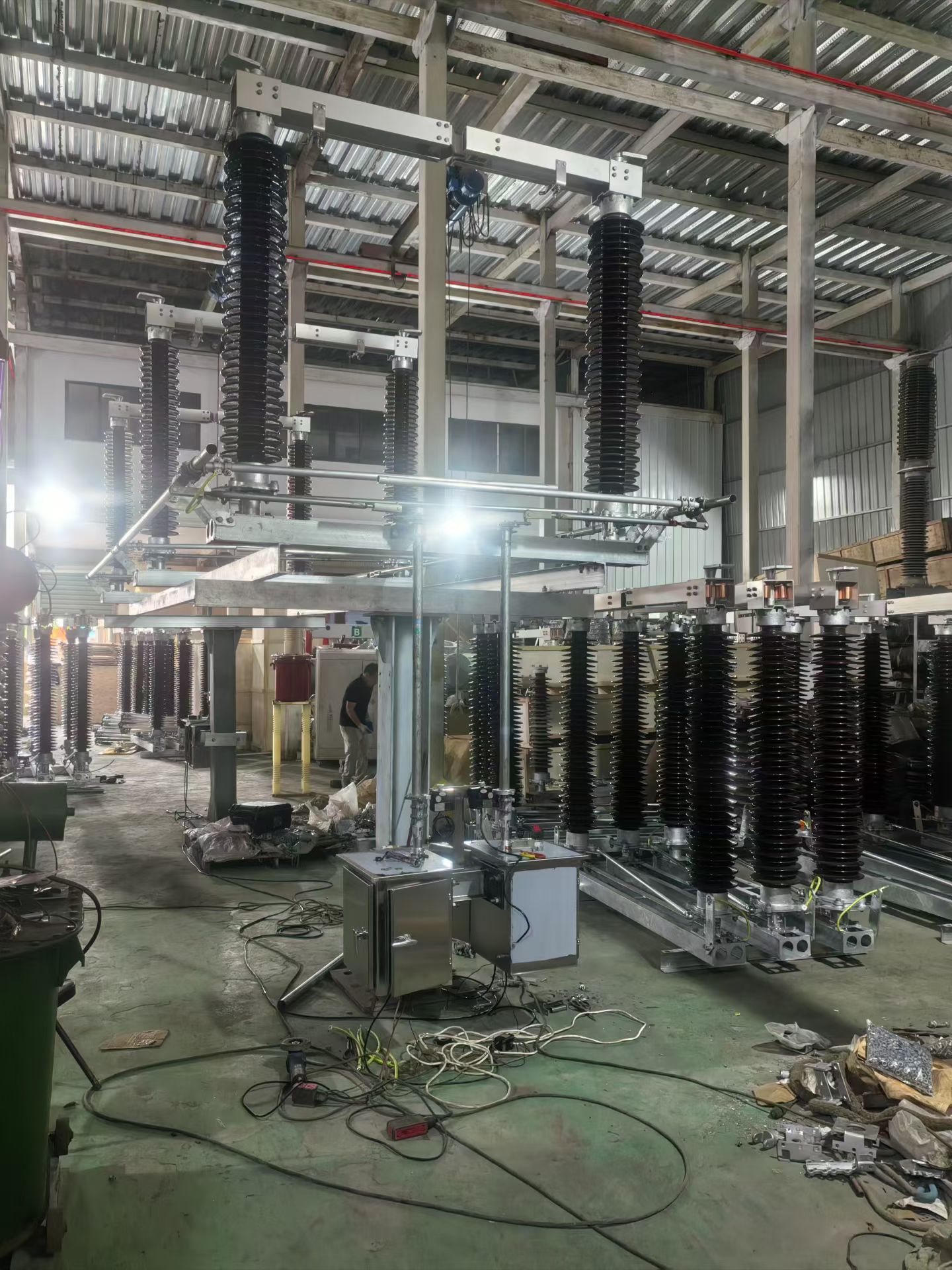
Shipping a prefabricated box-type transformer requires meticulous preparation and systematic verification at every stage before departure from the manufacturing facility. These critical electrical components represent significant capital investments and must arrive at destination sites in perfect operational condition, free from damage, defects, or performance degradation. A comprehensive pre-shipping checklist prevents costly delays, field failures, safety risks, and customer dissatisfaction downstream.
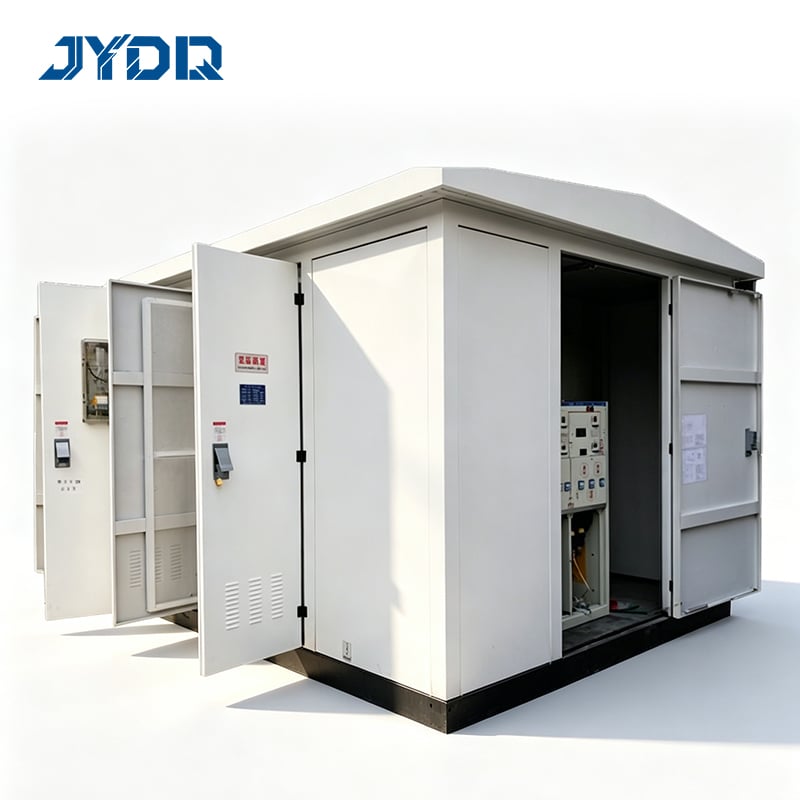
The decision to conduct thorough factory inspection and quality control before shipment distinguishes reliable manufacturers from those taking operational shortcuts. Each prefabricated box-type transformer embodies precise engineering, sealed components, and integrated protection systems that must function exactly as specified upon installation. Skipping or rushing pre-shipment verification creates liability exposure and undermines the reputation of both supplier and end-user organizations.
Electrical Performance and Functional Testing
Insulation Resistance and Dielectric Strength
Before any prefabricated box-type transformer leaves the facility, insulation resistance must be measured across all winding pairs using calibrated megohm meters. Industry standards require minimum insulation values that confirm the dielectric integrity of transformer windings, bushings, and internal structures. Testing voltage levels must match the transformer's rated operating voltage to ensure realistic assessment of breakdown risk during field operation. Documentation of these measurements creates a baseline record for future comparison and supports warranty claims if field performance issues emerge later.
High-Voltage Testing Protocols
Withstand voltage testing applies a temporary overvoltage to verify that insulation systems can endure transient spikes without failure. For a prefabricated box-type transformer, this factory inspection step involves controlled application of test voltage above the transformer's nominal rating, held for a specified duration while monitoring for leakage current or breakdown signs. This quality control procedure confirms that manufacturing processes maintained proper clearances, material properties, and construction standards throughout the unit.
Physical Integrity and Mechanical Readiness
Housing and Enclosure Examination
The sealed enclosure of a prefabricated box-type transformer must be visually inspected for dents, cracks, corrosion, or paint damage that could compromise weatherproofing or allow moisture ingress during shipping. All gasket surfaces, cable entry points, and access doors require careful assessment to confirm they remain watertight and properly sealed. Factory inspection personnel should verify that ventilation openings, cooling fins, and drain plugs show no signs of obstruction or manufacturing residue that could impede thermal performance after installation.
Component Mounting and Fastener Security
Internal and external components mounted on the prefabricated box-type transformer must be secured with appropriate fastening hardware that will not loosen during transport vibration. Quality control teams should verify that all bolts, nuts, and brackets are torqued to specification and locked with appropriate fastening methods. Loose cooling fans, terminal blocks, current transformers, or protective relays create safety hazards and can cause cascading failures when the unit operates under load at the destination site.
Documentation, Labeling, and Compliance Verification
Nameplate Accuracy and Rating Confirmation
Before shipping, the nameplate affixed to the prefabricated box-type transformer must be verified against the purchase order, engineering specifications, and manufacturing work order. Voltage ratings, current capacity, power factor, cooling type, and all other technical parameters must match exactly what the customer ordered and will install. Factory inspection processes should include photograph documentation of the nameplate and serial number to create an auditable record tied to the specific unit being shipped.
Test Reports and Certification Documentation
All factory inspection results, quality control test data, and compliance certifications must be compiled into a comprehensive shipping package accompanying the prefabricated box-type transformer. These documents include insulation resistance reports, dielectric test certificates, vibration analysis results where applicable, and any regulatory compliance certifications required by regional standards. Incomplete or missing documentation can delay installation schedules, prevent the customer from placing the transformer into service, and create disputes over warranty coverage if performance questions arise later.
FAQ
What are the most critical quality control tests for a prefabricated box-type transformer before shipping?
The most essential quality control procedures include insulation resistance testing to confirm winding integrity, high-voltage withstand testing to verify dielectric strength, and comprehensive functional testing of all integrated protection systems. Factory inspection must also verify proper fluid levels if oil-cooled, confirm correct relay settings, and validate that all mechanical components are secure and properly torqued for transport.
How does factory inspection ensure a prefabricated box-type transformer will survive shipping without damage?
Factory inspection includes visual assessment of the sealed enclosure for manufacturing defects, verification that all fasteners are properly secured against vibration loosening, and confirmation that the unit is correctly positioned within the shipping container. Quality control teams also inspect packaging materials, bracing systems, and load distribution to ensure the prefabricated box-type transformer remains stable throughout transit and arrives with all components functioning identically to pre-shipment condition.
What documentation should accompany a prefabricated box-type transformer shipment?
Essential shipping documentation includes the manufacturing certificate of compliance, all electrical test reports from factory inspection, serial number and nameplate verification records, and warranty registration documents. Quality control records showing conformance to applicable standards, any specific customer requirements or modifications, and transportation damage insurance paperwork must also be included to support installation procedures and future maintenance reference.

 EN