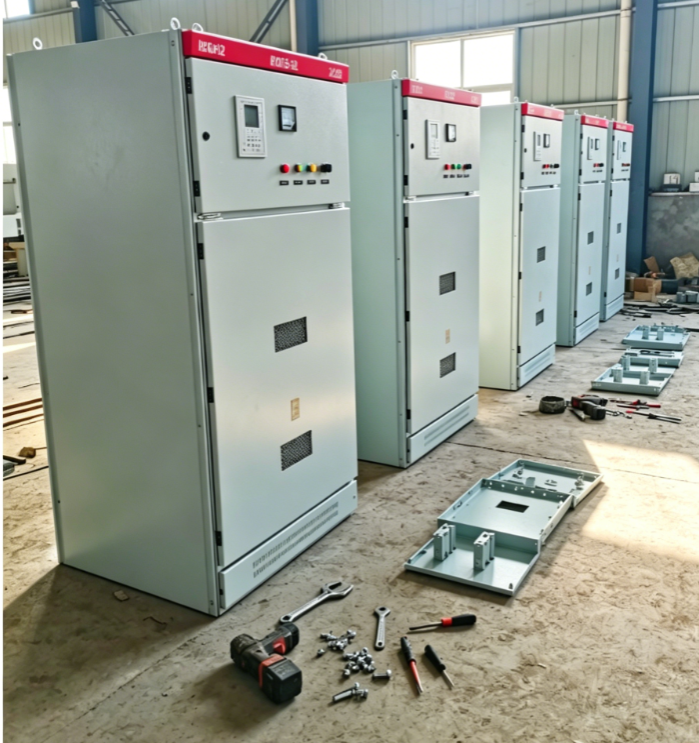
Understanding what determines the price of high voltage switchgear is essential for industrial procurement teams and facility managers. The cost of high voltage switchgear extends far beyond a simple unit price, encompassing numerous variables that reflect the complexity, safety requirements, and operational demands of modern power distribution systems. Whether you're upgrading a substation, expanding manufacturing capacity, or designing a new facility, grasping the pricing drivers behind high voltage switchgear helps you budget accurately and make informed purchasing decisions that align with your operational needs.
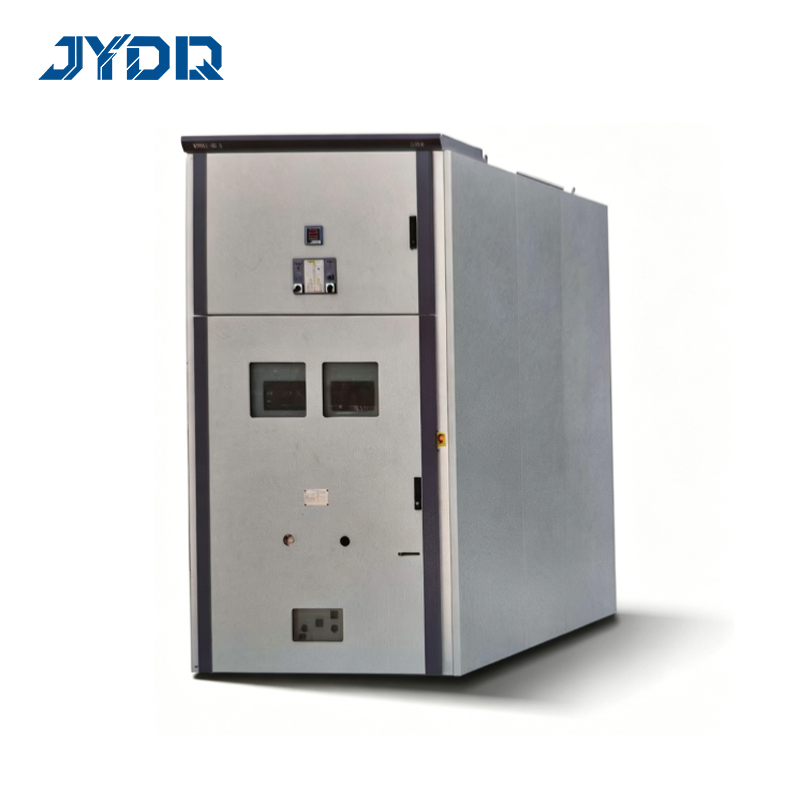
The pricing structure for high voltage switchgear reflects the engineering investment, manufacturing standards, and regulatory compliance embedded in every unit. Different configurations, technical specifications, and operational requirements create distinct market segments within the switchgear industry. Understanding these cost drivers allows you to compare offerings transparently and select equipment that delivers real value for your power system architecture and budget constraints.
Technical Rating and Performance Specifications Impact Switchgear Price
Voltage and Current Capacity Fundamentals
The technical rating of high voltage switchgear forms the foundation of its price structure. Switchgear designed for higher voltage levels, such as 110 kV or 220 kV systems, requires more robust insulation materials, larger physical dimensions, and more sophisticated protection mechanisms than lower-voltage units. Similarly, switchgear rated for higher current capacity demands thicker conductors, enhanced cooling systems, and stronger mechanical frameworks. A unit rated for 2000 amperes will cost significantly more than one rated for 1000 amperes because the engineering, materials, and manufacturing processes differ substantially. These technical ratings directly influence raw material costs, component quality, and production complexity.
Interrupting Capacity and Safety Standards
Interrupting capacity, measured in kiloamperes, represents the maximum fault current that switchgear can safely interrupt without damage. Higher interrupting capacity requires advanced arc-suppression technology, precision-engineered contacts, and robust mechanical structures. Switchgear designed to interrupt 40 kA fault currents costs more than equipment rated for 20 kA interruption because the internal engineering demands are substantially greater. Additionally, compliance with international safety standards such as IEC 62271 or IEEE C37 standards adds certification costs and testing expenses. These technical performance requirements are non-negotiable in high voltage switchgear, making them permanent cost drivers regardless of market conditions.
Configuration and Customization Drive Variable Costs
Indoor Versus Outdoor Installation Requirements
The configuration of high voltage switchgear, particularly whether it is designed for indoor or outdoor installation, significantly influences switchgear price. Outdoor-rated configurations require enhanced weatherproofing, corrosion-resistant materials, and reinforced protection against environmental stressors. Indoor switchgear may incorporate different cooling strategies, less robust external protection, and different material selections suited to controlled environments. Gas-insulated switchgear configurations command premium prices compared to air-insulated alternatives because they demand specialized manufacturing processes and controlled handling procedures. The choice between conventional oil-insulated, vacuum, or SF6 gas-insulated technologies each carries distinct cost implications based on material sourcing, manufacturing expertise, and environmental compliance requirements.
Custom Versus Standard Module Arrangements
Standard configurations of high voltage switchgear represent the most economical option because they leverage established production processes and component inventories. Custom configurations tailored to specific facility layouts, space constraints, or operational workflows incur additional engineering hours, specialized manufacturing setups, and extended delivery timelines. A switchgear unit designed with a non-standard bus arrangement, custom control interfaces, or facility-specific protection logic will cost substantially more than an equivalent standard model. Configuration complexity affects not just the manufacturing stage but also quality assurance, testing protocols, and commissioning procedures, all of which contribute to the final switchgear price. Industrial facilities with unique power distribution architectures should anticipate higher costs when customization becomes necessary.
Market Factors and Supply Chain Economics
Material Costs and Raw Material Markets
Global commodity prices for copper, aluminum, and specialty alloys directly impact high voltage switchgear production costs. When raw material costs rise, manufacturers must adjust switchgear price accordingly to maintain production margins and quality standards. Supply chain disruptions affecting the availability of critical components such as precision-engineered mechanisms or specialized insulation materials can create temporary price volatility in the switchgear market. Long-term contracts with suppliers and strategic inventory management help some manufacturers stabilize switchgear price, while others pass through market fluctuations more directly to end customers. Understanding current material cost trends provides context for evaluating quotes and planning procurement timing strategically.
Manufacturing Scale and Production Efficiency
Manufacturers producing high voltage switchgear at larger volumes typically achieve lower per-unit costs through economies of scale, optimized production workflows, and reduced overhead allocation. Smaller production runs or specialized equipment require proportionally higher engineering and setup investments, driving up switchgear price per unit. Manufacturers with established production facilities, trained workforce expertise, and efficient quality assurance systems often deliver competitive switchgear price while maintaining reliability standards. The geographic location of manufacturing, labor costs in the region, and transportation logistics all influence final pricing. Regional manufacturers may offer different switchgear price points compared to global suppliers based on these operational factors and local market conditions.
Frequently Asked Questions
How does the technical rating of high voltage switchgear directly affect its price?
Technical rating, including voltage level, current capacity, and interrupting capacity, fundamentally determines the engineering complexity and material requirements for high voltage switchgear. Higher-rated equipment requires premium materials, more sophisticated internal components, and more rigorous manufacturing processes. These factors create proportional increases in switchgear price. A unit rated for 245 kV with 3000 amperes and 50 kA interrupting capacity demands substantially different manufacturing investment compared to a 110 kV, 1200 ampere, 20 kA unit, reflecting significant price differences between these technical categories.
What role does configuration play in determining switchgear price?
Configuration encompasses the physical layout, insulation medium, installation environment, and customization level of high voltage switchgear, all of which directly impact switchgear price. Standard indoor configurations typically represent the most economical option, while custom outdoor gas-insulated arrangements command premium pricing. Configuration choices determine material selections, manufacturing procedures, and testing protocols. A customer requesting a facility-specific configuration with non-standard dimensions or specialized control interfaces should expect significantly higher switchgear price than off-the-shelf standard models due to additional engineering and manufacturing effort.
Can I reduce high voltage switchgear price by choosing different specifications?
Strategic specification selection offers legitimate cost optimization opportunities without compromising operational safety or system reliability. Choosing standard configurations over custom designs, selecting proven insulation technologies over exotic alternatives, and aligning specifications precisely with actual system requirements all help moderate switchgear price. However, undersizing switchgear below actual system demands creates serious risks and should never be pursued purely for cost reduction. Working with experienced engineers to right-size equipment and select cost-effective yet reliable specifications represents the appropriate approach to managing high voltage switchgear procurement budgets responsibly.

 EN