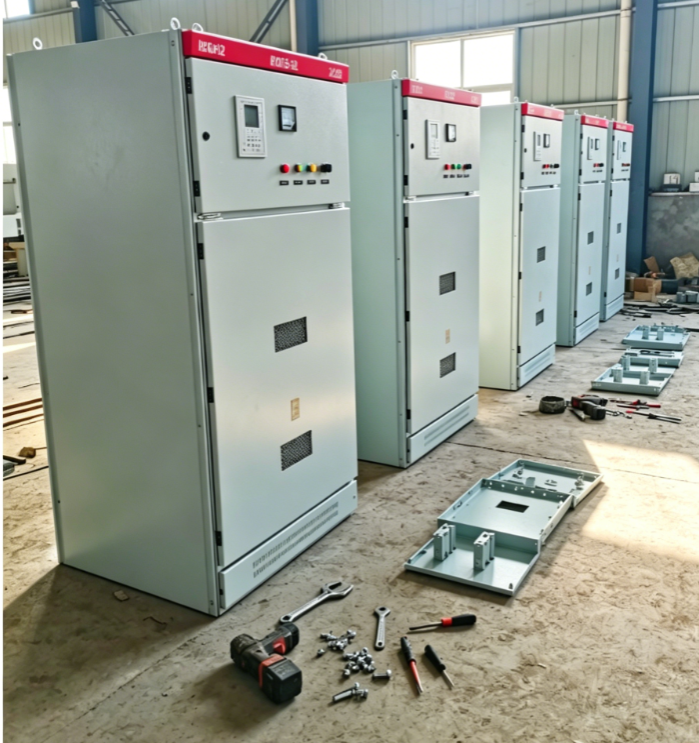
Effective preventive maintenance is the cornerstone of operational excellence in electrical infrastructure, particularly when managing high voltage switchgear assets. Planning a comprehensive preventive maintenance strategy protects your equipment investment, minimizes unplanned downtime, and extends the service life of critical switching components. Understanding how to structure preventive maintenance for high voltage switchgear requires knowledge of equipment condition, failure patterns, regulatory requirements, and operational constraints specific to your facility.
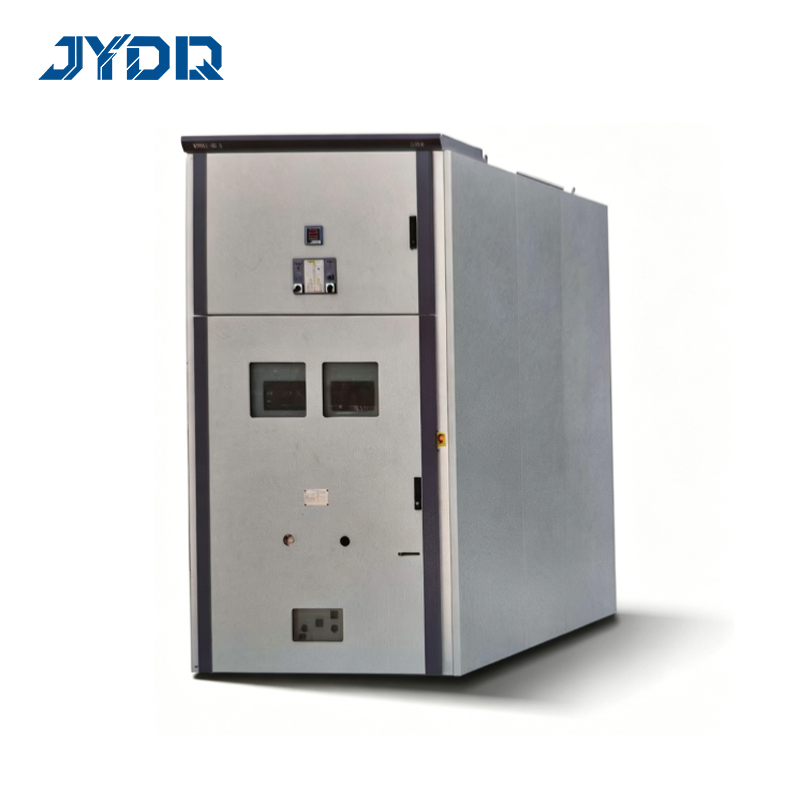
Developing an effective maintenance plan begins with establishing clear objectives. Your preventive maintenance program should reduce catastrophic failures, maintain system reliability, comply with industry standards, and optimize maintenance costs. Success depends on systematic planning that integrates equipment data, failure history, manufacturer recommendations, and operational experience into a structured framework that guides decision-making and resource allocation across your organization.
Establishing a Preventive Maintenance Foundation
Assessing Current Equipment Status
Before creating a preventive maintenance schedule, conduct a thorough baseline assessment of your high voltage switchgear assets. Document the age, operating history, previous maintenance records, and current condition of each unit. This inventory forms the foundation for determining appropriate inspection intervals and maintenance priorities. Equipment that has operated reliably may require less frequent inspection, while older units or those with documented issues warrant closer attention to ensure continued reliability.
Condition assessment should include visual inspections, thermographic analysis, and diagnostic testing. Identify signs of wear, corrosion, insulation degradation, or mechanical damage that indicate maintenance requirements. This systematic evaluation reveals patterns in equipment behavior and helps predict maintenance needs before failures occur. Documentation of baseline conditions enables tracking of equipment performance trends over time, supporting data-driven maintenance decisions.
Defining Maintenance Objectives and Scope
Clearly articulate what your preventive maintenance program aims to achieve. Define specific reliability targets, acceptable failure rates, and performance metrics that align with business objectives. Determine which equipment components require routine attention versus those that need specialized inspection. Establish the scope by identifying critical systems, backup systems, and secondary equipment that require different maintenance approaches based on operational importance and failure consequences.
Your maintenance scope should address both mechanical and electrical aspects of high voltage switchgear systems. Include contact maintenance, lubrication points, insulation condition monitoring, and operational testing. Define which maintenance tasks require external specialists versus in-house personnel, and establish qualification requirements for technicians performing inspection and maintenance work.
Structuring Inspection and Maintenance Intervals
Developing Inspection Schedules
Inspection frequency depends on equipment age, operating conditions, duty cycle, and historical failure data. Manufacturer guidelines typically recommend inspection intervals ranging from six months to three years for high voltage switchgear in normal industrial service. Create a tiered inspection framework that includes routine visual checks, comprehensive annual inspections, and detailed condition assessments at longer intervals. Routine inspection should be brief, focused on obvious problems like loose connections, abnormal sounds, temperature variations, or visible damage affecting reliability.
Comprehensive inspections involve more detailed examination of insulation systems, mechanical linkages, contact condition, and operating mechanisms. Schedule these at intervals aligned with historical failure patterns and manufacturer recommendations. Detailed condition assessments may include oil analysis, insulation resistance testing, and partial discharge monitoring to evaluate internal equipment condition without invasive disassembly. This layered approach balances detection capability with resource efficiency.
Planning Maintenance Tasks and Procedures
Document specific maintenance tasks required for each equipment type and condition. Standard preventive maintenance tasks for high voltage switchgear typically include contact cleaning and conditioning, lubricant replenishment, mechanical adjustment, insulation cleaning, and operational verification testing. Establish detailed procedures for each task specifying equipment preparation, safety precautions, step-by-step instructions, acceptance criteria, and documentation requirements.
Create maintenance work orders in advance for planned preventive activities. Assign maintenance tasks to qualified technicians with appropriate experience and certification. Schedule work during periods that minimize operational impact, typically during planned outages or low-demand seasons. Coordinate preventive maintenance scheduling with production schedules, weather considerations, and personnel availability to optimize implementation efficiency.
Implementing Monitoring and Record Management
Establishing Condition Monitoring Systems
Continuous or periodic condition monitoring enhances preventive maintenance effectiveness by providing early warning of degradation. Temperature monitoring reveals contact wear, connection problems, or load shifts requiring maintenance action. Oil analysis tracks insulation fluid condition and detects potential internal failures through dissolved gas analysis or moisture content measurement. Thermographic imaging during operation identifies hot spots indicating connection problems or contact deterioration affecting reliability.
Integrate monitoring data into maintenance decision-making processes. Establish alert thresholds that trigger additional inspection or accelerate maintenance schedules when conditions warrant. Automated monitoring systems can provide real-time alerts to operations or maintenance teams, enabling rapid response to developing problems. This data-driven approach focuses maintenance resources on equipment showing signs of degradation rather than maintaining everything on fixed schedules regardless of actual condition.
Maintaining Documentation and Performance Records
Comprehensive record-keeping supports continuous improvement of your preventive maintenance program. Document all inspection findings, maintenance work performed, components replaced, and test results. Track equipment run time between maintenance intervals and note any anomalies or concerning observations. Maintain performance metrics showing equipment availability, mean time between failures, and maintenance cost trends to evaluate program effectiveness.
Use maintenance records to identify recurring problems, validate maintenance intervals, and optimize resource allocation. Analyze failure patterns to determine whether inspection intervals should be adjusted or maintenance procedures modified. Document lessons learned from equipment failures or reliability incidents to improve future preventive efforts. Maintain this information in accessible systems enabling quick retrieval for compliance audits, warranty claims, or technical troubleshooting.
FAQ
How frequently should I perform preventive maintenance inspections on high voltage switchgear?
Inspection frequency depends on several factors including equipment age, operating environment, duty cycle, and manufacturer recommendations. Routine visual inspections should occur every six months to annually for most industrial installations. Comprehensive maintenance should be performed every two to three years, with more frequent intervals for equipment operating in harsh environments or with extended service history. Review your specific equipment documentation and adjust intervals based on condition monitoring results and failure history.
What are the key components requiring inspection during preventive maintenance programs?
Critical inspection areas for high voltage switchgear include electrical contacts and contact systems, insulation condition and cleanliness, mechanical linkages and operating mechanisms, lubrication levels and condition, connection tightness and corrosion, arc suppression systems, and control circuits. Inspect for signs of tracking, pitting, discoloration, or mechanical wear that might compromise reliability. Additionally, assess environmental factors such as temperature, humidity, and contamination that influence equipment condition.
How can condition monitoring improve my preventive maintenance program?
Condition monitoring through thermography, oil analysis, and continuous surveillance enables maintenance teams to respond to actual equipment degradation rather than relying solely on fixed schedules. This approach extends maintenance intervals for equipment in good condition while accelerating maintenance for units showing signs of problems, optimizing both reliability and maintenance costs. Monitoring data provides objective evidence supporting maintenance decisions and helps predict failures before they impact operations.

 EN