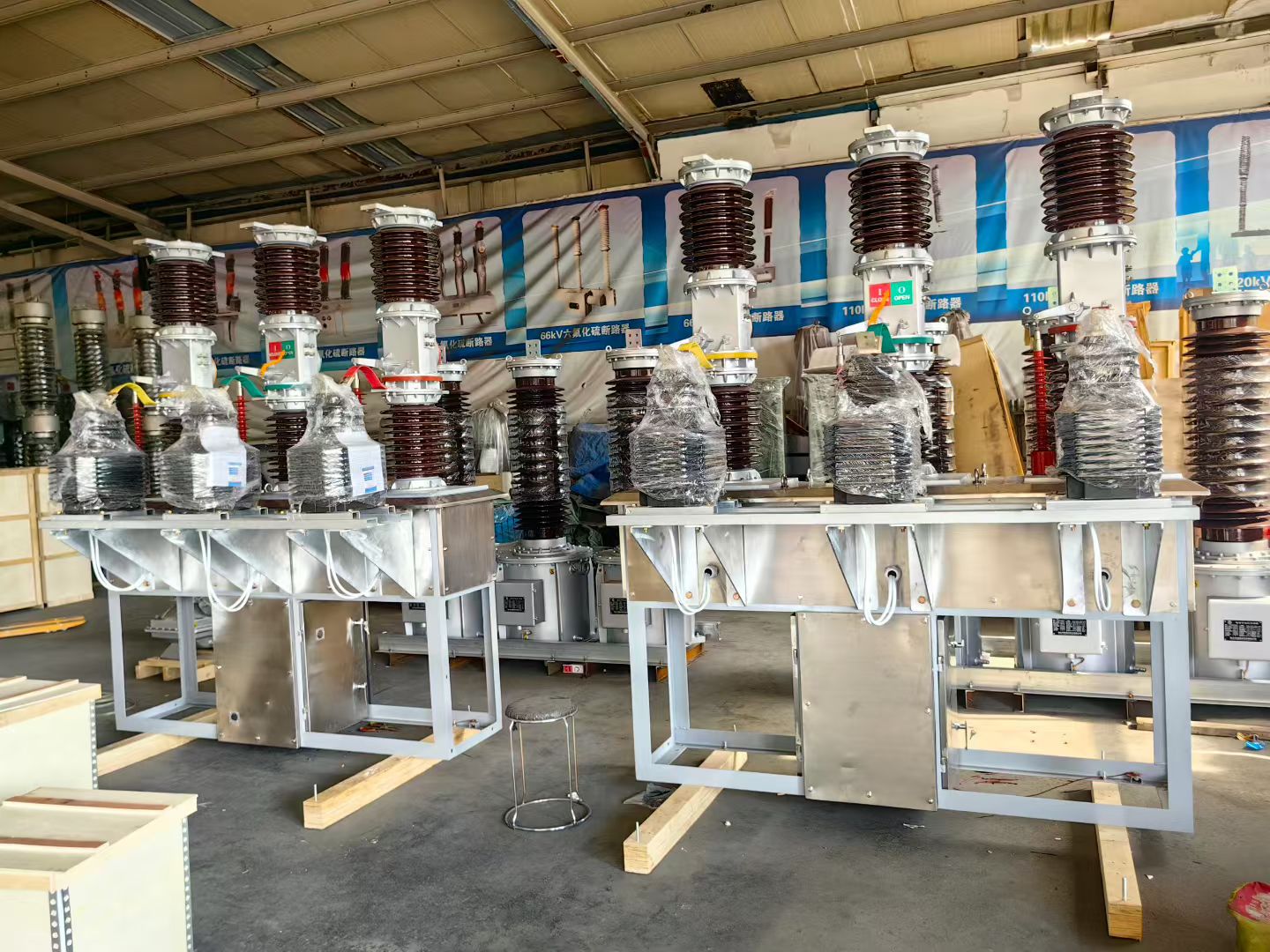
Understanding the true expense of industrial equipment requires looking beyond the initial purchase price. When organizations invest in electrical switchgear, they must account for the complete lifecycle cost, which includes acquisition, installation, maintenance, operation, and eventual decommissioning. The lifecycle cost approach provides a comprehensive financial picture that enables informed procurement decisions and prevents unexpected budget overruns throughout the equipment's operational life.
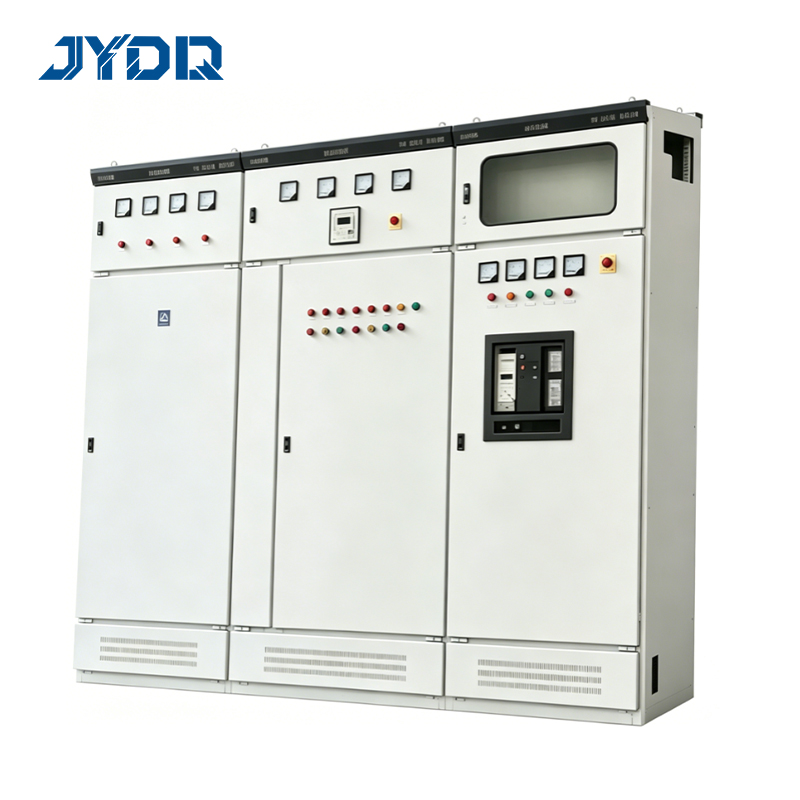
Many purchasing managers underestimate how maintenance and operational expenses accumulate over time, sometimes exceeding the initial capital investment by two to three times. By systematically evaluating lifecycle cost factors from day one, industrial facilities can optimize their equipment selection, reduce unplanned downtime, and achieve superior return on investment. This comprehensive evaluation framework ensures that budget allocations reflect actual total cost ownership rather than misleading price comparisons.
Identifying Key Lifecycle Cost Components
Initial Acquisition and Installation Expenses
The purchase price of electrical switchgear represents only the first financial component. Installation costs, including labor, site preparation, and integration with existing systems, often add fifteen to thirty percent to the base equipment price. Foundation reinforcement, cable management infrastructure, control wiring, and commissioning labor must all be factored into the total initial investment when calculating lifecycle cost. Environmental considerations, such as ventilation systems or cooling requirements for specialized switchgear installations, further increase upfront expenditures and should be included in the procurement budget.
Regulatory Compliance and Testing Costs
Electrical switchgear must meet stringent industry standards and regulatory requirements that vary by region and application. Factory acceptance testing, type testing, and site acceptance testing add measurable expenses to the lifecycle cost equation. Documentation, certification, and compliance verification require specialized personnel and may involve third-party inspection agencies. These regulatory necessities are non-negotiable components of the total cost framework and cannot be deferred without jeopardizing operational safety and legal compliance.
Quantifying Maintenance and Operational Expenses
Preventive Maintenance Requirements
Routine maintenance represents the largest operational expense for electrical switchgear over its service life. Scheduled inspections, lubrication of moving contacts, cleaning of dust accumulation, and calibration of protective relays require trained technicians and planned facility shutdowns. The maintenance demands vary significantly based on equipment design, environmental conditions, and application intensity, directly influencing the lifecycle cost profile. Facilities operating in harsh industrial environments face substantially higher maintenance requirements than those in climate-controlled settings, justifying premium design selections that reduce maintenance frequency and labor intensity.
Spare Parts and Component Replacement
Electrical switchgear incorporates multiple components subject to wear and eventual replacement during the equipment's operational lifetime. Contacts oxidize over time, vacuum bottles degrade, and electronic controls require periodic module upgrades to maintain compatibility with evolving grid standards. Spare parts inventory management, emergency procurement costs, and logistics expenses accumulate throughout the equipment's service life, all contributing to total cost. Organizations that source from suppliers offering comprehensive spare parts availability and predictable lead times can better budget for maintenance and minimize unplanned downtime expenses that dramatically increase lifecycle cost.
Assessing Performance and Energy Efficiency Impact
Energy Losses and Efficiency Ratings
Modern electrical switchgear designs vary considerably in energy efficiency, with losses during current interruption and standby operation directly affecting facility operating costs. Higher-specification switchgear often incorporates advanced contact materials and optimized magnetic fields that reduce electrical losses, lowering the lifecycle cost over decades of operation. In applications involving frequent switching operations or high ambient currents, the cumulative energy savings from premium equipment design can justify the additional capital investment within five to seven years of operation.
Downtime Risk and Business Continuity
Equipment failures cause production losses that often exceed the direct repair or replacement expenses by orders of magnitude in continuous manufacturing environments. Selecting electrical switchgear with proven reliability records, redundant protective systems, and remote monitoring capabilities reduces unplanned outage risk and associated business interruption costs. The lifecycle cost framework must quantify the business impact of potential failures, justifying investment in premium reliability features that minimize total cost when factoring real production loss consequences.
Creating a Lifecycle Cost Analysis Framework
Establishing Baseline Financial Assumptions
Effective lifecycle cost evaluation begins with clearly defining the equipment's expected service life, typically twenty to forty years for industrial electrical switchgear installations. Organizations must establish realistic maintenance schedules based on manufacturer recommendations and industry standards applicable to their specific duty cycle and environmental conditions. Financial discount rates reflecting organizational cost of capital must be applied consistently when comparing options with different expense timing profiles, ensuring that lifecycle cost comparisons accurately represent actual financial impact across the equipment's operational lifetime.
Scenario Modeling and Sensitivity Testing
Robust lifecycle cost analysis incorporates scenario modeling to evaluate how maintenance cost variations, energy price changes, and unexpected component replacement requirements affect total cost outcomes. Sensitivity testing reveals which assumptions drive the greatest financial impact, allowing procurement teams to prioritize due diligence on high-impact variables. This disciplined analytical approach transforms lifecycle cost from an abstract concept into a practical decision support tool that quantifies the financial consequences of different equipment selection strategies and validates investment decisions with objective financial reasoning.
FAQ
What factors most significantly impact the total cost of electrical switchgear ownership?
The lifecycle cost of electrical switchgear is primarily driven by maintenance expenses, energy efficiency characteristics, and unplanned downtime risk rather than initial purchase price alone. Equipment reliability, spare parts availability, and design sophistication all substantially influence operational costs throughout the equipment's service life. Facilities operating under intense duty cycles or harsh environmental conditions experience disproportionately higher maintenance costs, making equipment selection decisions critical to lifecycle cost management.
How should organizations compare different electrical switchgear options using lifecycle cost methodology?
Organizations should establish standardized assumptions regarding service life, maintenance frequency, and financial discount rates, then calculate the present value of all projected costs for each competing option under identical conditions. This standardized framework enables objective comparison across alternatives with different upfront prices, maintenance requirements, and efficiency characteristics. Sensitivity analysis helps identify which cost variables have the greatest impact on overall lifecycle cost, guiding procurement priorities toward options that optimize financial performance under realistic operating conditions.
Can improved electrical switchgear efficiency actually reduce the total cost of ownership?
Yes, premium efficiency designs that minimize energy losses during operation can reduce lifecycle cost substantially in applications involving frequent switching or high-current environments where energy losses accumulate over years of operation. Additionally, advanced designs often incorporate improved reliability features and reduced maintenance requirements that lower operational expenses independent of energy savings. However, organizations must quantify these benefits based on their specific application characteristics, duty cycles, and energy costs to confirm that efficiency improvements justify the higher initial investment required.

 EN