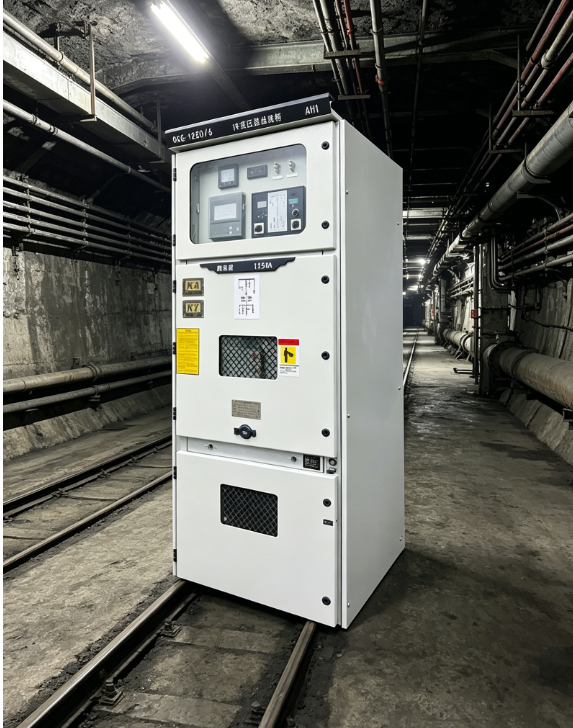
High voltage switchgear serves as the backbone of substation protection, providing critical isolation, fault detection, and system coordination functions that safeguard electrical infrastructure from damage and service interruption. Understanding how high voltage switchgear operates within a substation environment is essential for engineers, facility managers, and industrial professionals who depend on reliable power delivery and equipment longevity.
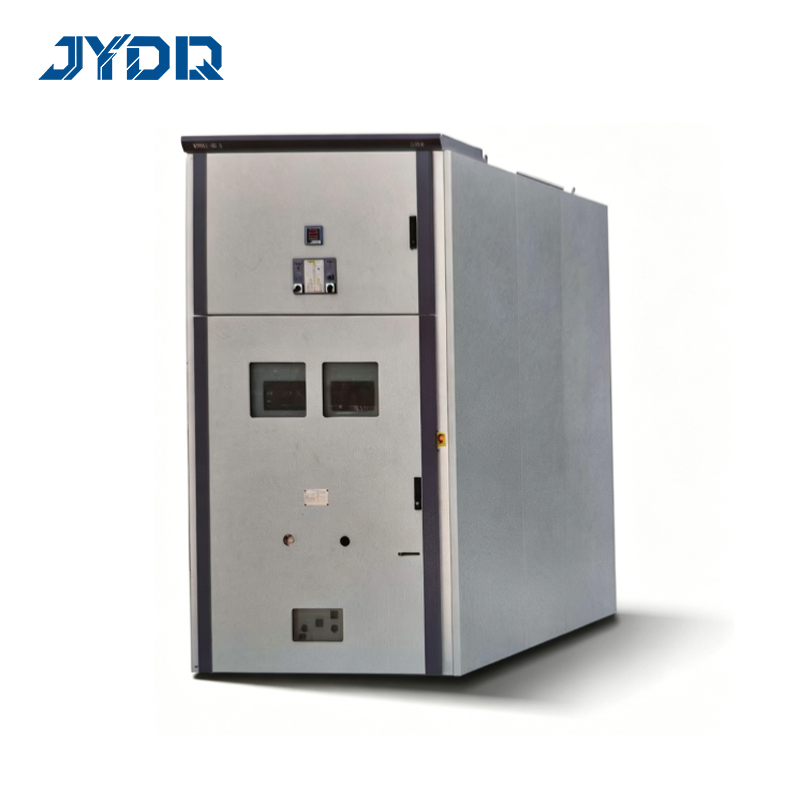
A substation is designed to manage power flow, transform voltage levels, and distribute electricity efficiently across distribution networks. High voltage switchgear within this environment performs multiple protective roles simultaneously, from isolating faulted sections to coordinating responses with HV equipment and downstream protection devices. This layered approach ensures that localized faults do not cascade into broader system failures that could leave customers without power or damage expensive electrical assets.
The Core Protection Functions of High Voltage Switchgear
Fault Detection and Rapid Isolation
When a fault occurs on a transmission line or within substation equipment, high voltage switchgear must detect the abnormal condition and interrupt current flow before thermal or mechanical damage spreads. Modern switchgear integrates relays, sensors, and trip mechanisms that work in coordination to identify phase-to-ground faults, phase-to-phase faults, and overload conditions within milliseconds. This rapid response capability means the difference between a brief, localized outage and a catastrophic equipment failure that takes weeks to repair.
The protection mechanism within HV equipment relies on current transformers and voltage transformers to continuously monitor electrical parameters. When a fault current exceeds predefined thresholds, protection relays signal the switchgear mechanism to open, breaking the circuit and isolating the problem. This isolated response prevents fault energy from propagating through the substation and into adjacent circuits, maintaining system stability and protecting other connected consumers from collateral damage.
Coordination with Downstream Equipment
High voltage switchgear at the substation level must coordinate protection timing with lower-voltage feeder breakers and recloser devices. This selectivity ensures that only the circuit segment experiencing the fault trips, while other feeds remain energized and operational. Without proper coordination between HV equipment at different voltage levels, a fault in one branch might unnecessarily disconnect multiple customers, reducing system reliability and customer satisfaction metrics.
Time-current coordination curves are engineered into the protection scheme so that each device operates in sequence. The substation switchgear holds its trip signal slightly longer than downstream devices, allowing lower-level breakers an opportunity to clear the fault first. If they fail, the high voltage switchgear then acts as a backup, ensuring complete isolation of the faulted section within predetermined time windows.
Mechanical and Thermal Protection Mechanisms
Arc Suppression and Interruption
When a high voltage switchgear opens under fault conditions, an electrical arc forms across the separating contacts. This arc must be extinguished quickly and completely to prevent reignition and continued current flow. Modern substation switchgear uses advanced arc suppression media such as sulfur hexafluoride (SF6) gas, vacuum chambers, or oil-based systems to ionize and dissipate the arc energy safely, reducing fault clearing time from seconds to cycles.
The interruption speed directly affects how much thermal energy is released into the system and HV equipment. Faster interruption means lower I²R losses in conductors and connections, reducing the risk of insulation breakdown and fire hazard. For a substation handling thousands of megawatts, even a few cycles of delayed clearing can deposit enough energy to damage transformer windings or other high-value assets.
Thermal Withstand Rating and Heat Dissipation
High voltage switchgear in a substation is rated for specific thermal withstand levels, meaning it can handle a predefined magnitude and duration of fault current without structural failure. This rating must exceed the maximum prospective fault current at the substation busbar, ensuring the switchgear remains mechanically sound even during the worst-case short circuit. HV equipment designers use materials with high melting points and robust contact geometries to survive these extreme conditions.
Between fault events, high voltage switchgear dissipates normal operating heat through ventilation paths and conductive connections to ground. Adequate heat removal during routine operation prevents temperature rise in the switching chamber, extending component life and maintaining electrical properties of the arc suppression medium. Substation engineers verify that cooling systems function correctly to sustain thermal stability.
Integration Within Substation Protection Strategy
Redundancy and System Reliability
Modern substations often employ redundant switchgear, meaning multiple high voltage switchgear units protect the same circuit segment from different supply points. If one unit fails to operate during a fault, the redundant unit ensures that isolation still occurs. This defense-in-depth approach minimizes the probability that a fault will propagate uncontrolled, addressing both equipment failure modes and protection device malfunctions.
Redundancy extends to protection relaying as well, with duplicate or cross-checked relay schemes ensuring that trip decisions are validated before the switchgear mechanism opens. The substation's protection architecture must therefore be engineered with multiple independent channels so that the loss of one monitoring system does not compromise overall fault response capability.
Communication and Advanced Monitoring
Contemporary high voltage switchgear includes digital relays and communication interfaces that transmit real-time status and fault data to the substation control center and remote monitoring systems. This visibility allows operators to understand fault sequences, validate protection operation, and plan maintenance activities with precision. HV equipment diagnostics catch developing insulation issues or mechanical wear before they lead to unexpected failures, reducing unplanned downtime.
Integration with SCADA (supervisory control and data acquisition) systems enables automated responses and operator awareness across large geographic areas. When a substation switchgear operates, the control center is alerted instantly, allowing dispatchers to reroute load, coordinate repairs, and communicate outage information to affected customers. This integration transforms the switchgear from a passive protective element into an active node within the broader grid intelligence network.
FAQ
What happens if high voltage switchgear fails to operate during a fault?
If the primary high voltage switchgear fails, fault current continues unchecked, causing rapid temperature rise in conductors and connections. Insulation can fail, transformers can burn, and the fault may arc across into adjacent equipment sections, spreading damage across the substation. Backup protection devices at lower voltages or neighboring substations may eventually isolate the fault, but the delay allows significant thermal and mechanical damage to accumulate. This scenario underscores why redundancy, regular maintenance, and functional testing of switchgear protection relays are critical operational practices.
How often should high voltage switchgear undergo maintenance testing?
Industry standards recommend that substation high voltage switchgear protection relays be tested annually or biannually, depending on the criticality of the circuit and the switchgear manufacturer's guidelines. Contact resistance measurements, insulation tests, and mechanical function verification ensure that HV equipment remains ready to respond to faults. Preventive maintenance programs capture early signs of wear, contact erosion, or relay drift before they compromise protection performance, thereby maintaining substation reliability and extending equipment service life.
Can high voltage switchgear protect against overvoltage transients?
While primary protection against overvoltage transients relies on surge arresters and capacitor banks within the substation, high voltage switchgear contributes by rapidly isolating circuits when voltage rises exceed limits and controlling circuit-opening transients that themselves can generate voltage spikes. The switchgear's ability to interrupt current cleanly minimizes voltage reflections and transient resonance. However, transient protection is best achieved through a combination of HV equipment types, including arresters, capacitors, and coordinated switching, rather than switchgear alone.

 EN