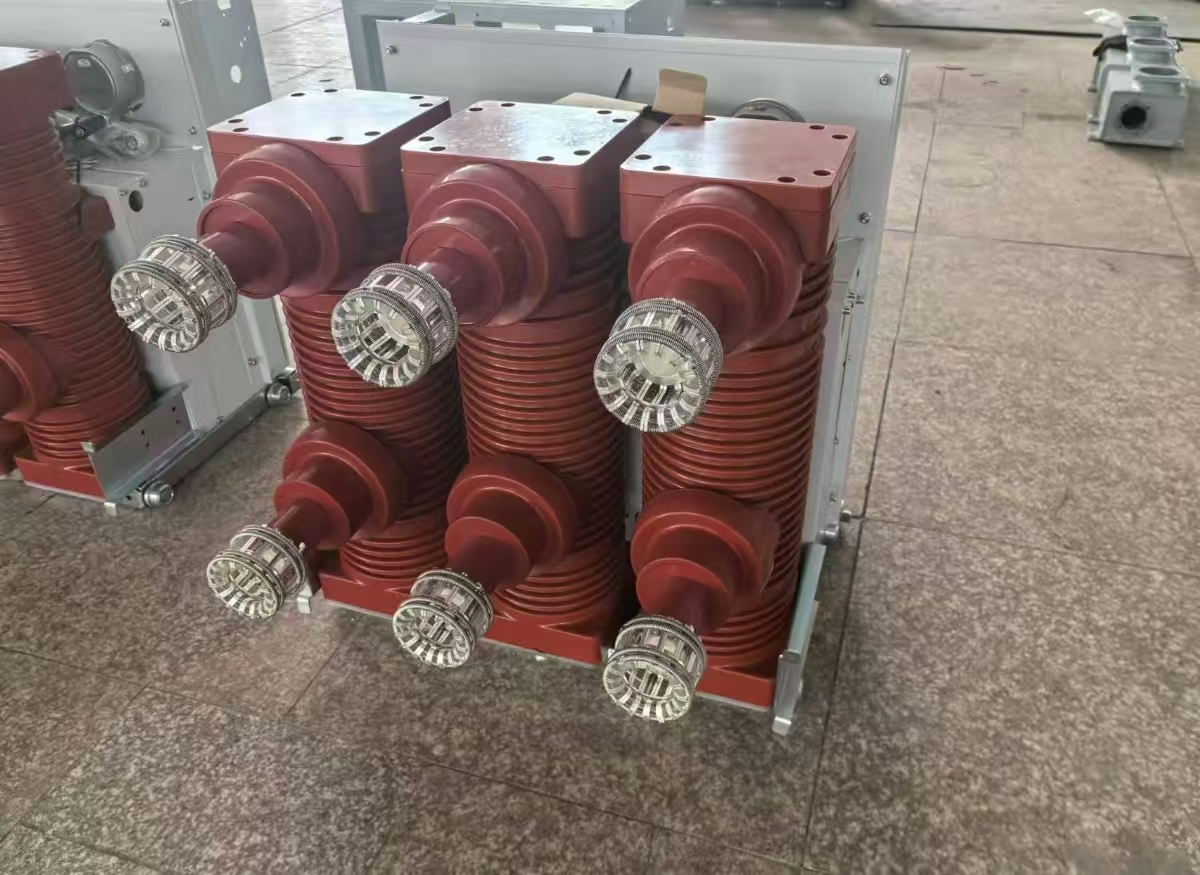
Planning protection coordination in a prefabricated box-type transformer installation requires careful attention to system design, equipment selection, and coordination strategy. The prefabricated box-type transformer represents a compact, factory-assembled solution that integrates multiple electrical components into a single enclosure, but its success depends entirely on proper protection coordination planning. Without adequate planning, even the most advanced prefabricated substation can fail to protect equipment and personnel during fault conditions.
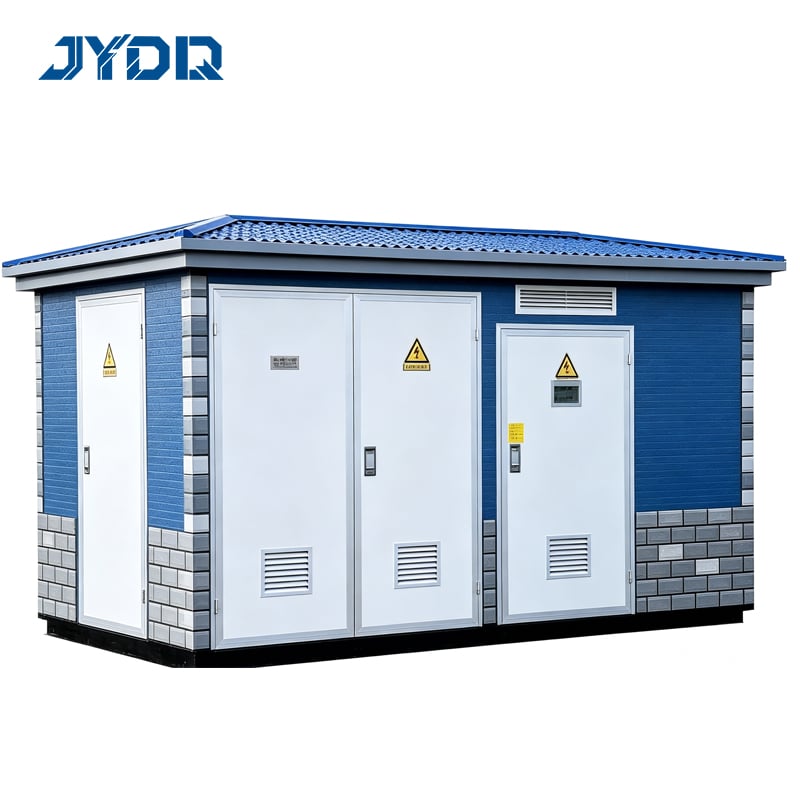
The complexity of modern electrical systems demands that protection coordination begins during the design phase, not after installation. A prefabricated substation with poor protection coordination can create cascading failures, where a fault in one section takes down the entire system rather than isolating the problem. This article explores the essential steps and principles for planning effective protection coordination in prefabricated substations.
Understanding Protection Coordination Fundamentals
Core Principles of Protection Coordination
Protection coordination ensures that when an electrical fault occurs, only the device closest to the fault clears the problem, allowing the rest of the system to remain operational. In a prefabricated substation, this principle becomes critical because the compact design means multiple protective devices must work in precise harmony. The circuit breaker serves as the primary protective device, and coordinating multiple circuit breakers requires careful selection of trip settings, time-current characteristics, and backup protection strategies.
Every prefabricated box-type transformer includes incoming and outgoing circuit breaker positions that must coordinate with each other. The incoming circuit breaker protects the entire transformer and its downstream circuits, while outgoing circuit breakers protect individual loads or distribution lines. Without proper coordination, a small fault on one outgoing circuit could trip the main incoming breaker, blackening the entire facility.
Why Coordination Fails in Inadequate Designs
Many failures in protection coordination stem from mismatched circuit breaker types, incorrect time-delay settings, or insufficient current ratings. When protection coordination is not planned, designers often select circuit breakers based only on cost or availability, resulting in incompatible time-current curves. A prefabricated substation with poorly coordinated protection can experience nuisance trips, where protective devices operate during normal inrush currents or temporary voltage dips rather than actual faults.
Designing Protection Coordination for Prefabricated Substations
Load Analysis and Circuit Breaker Selection
Effective protection coordination begins with thorough load analysis. Engineers must determine the maximum demand, fault current levels, and expected load patterns before selecting circuit breaker capacity and type. The prefabricated substation must accommodate these real-world conditions, so circuit breakers must offer sufficient capacity and appropriate trip characteristics. Standard frame sizes and ratings must align with both the transformer capacity and the anticipated fault current that the substation will experience during electrical disturbances.
The circuit breaker rating must never be smaller than the transformer full-load current, and fault protection requires that the breaker can interrupt the maximum available fault current at the installation site. Many engineers underestimate fault current by failing to account for contributions from the utility source and from multiple transformers operating in parallel. This leads to inadequate circuit breaker sizing and failed protection coordination when a real fault occurs.
Coordination Study and Time-Current Analysis
A formal protection coordination study uses time-current curves to verify that protective devices operate in the correct sequence during faults. These curves plot the relationship between fault current magnitude and operating time, showing how quickly a circuit breaker will trip at various fault levels. For a prefabricated substation, the incoming circuit breaker must have a slower characteristic than the outgoing circuit breakers, creating a time-current window where the downstream device clears the fault before the main breaker responds.
The separation between curves must be sufficient to account for manufacturing tolerances, temperature effects, and aging of protective devices. A minimum margin of 0.3 to 0.5 seconds is typically required to ensure reliable selective coordination between protection devices. Without this analytical approach, protection coordination planning becomes guesswork, and the prefabricated substation becomes a reliability risk rather than an asset.
Implementation and Maintenance Considerations
Testing and Validation Before Energization
Before a prefabricated substation enters service, protection coordination must be validated through factory acceptance testing and site commissioning. Testing includes verifying circuit breaker trip settings, checking time-delay adjustments, and confirming that all devices operate within specification. Many coordination failures occur because test procedures were skipped or inadequate, allowing marginal settings to pass into operation where they eventually cause problems.
Commissioning teams must operate the circuit breaker under controlled test conditions to confirm that trip times match the protection coordination study. They must also verify that communication systems between intelligent protective relays function correctly and that any remote monitoring features provide accurate data. A prefabricated substation with untested protection coordination is essentially an unpredictable system that may or may not protect equipment when needed.
Ongoing Monitoring and Adjustment
Protection coordination does not end at commissioning. As electrical loads change, system topography evolves, and new equipment connects to the substation, the protection strategy must be revisited. Adding new circuits or modifying existing loads can alter fault current calculations and require adjustments to circuit breaker settings. Annual reviews of protection coordination ensure that the prefabricated substation continues to provide reliable, selective protection throughout its operational life.
Maintenance records should document all settings changes, test results, and any relay adjustments made to improve coordination. This historical data helps engineers understand whether the original protection coordination study assumptions remain valid or whether field conditions have diverged from initial expectations. Without this ongoing attention, even a well-designed prefabricated substation will eventually experience coordination failures as conditions change.
FAQ
What happens if protection coordination fails in a prefabricated substation?
When protection coordination fails, faults that should be isolated by downstream circuit breakers instead trip the main incoming breaker, causing widespread outages. This cascading failure pattern creates longer downtime, exposes more equipment to fault stress, and may cause fires or explosions if the fault cannot be cleared quickly enough. The prefabricated substation itself may suffer permanent damage if the incoming circuit breaker cannot interrupt the fault current before magnetic forces destroy conductors and insulation.
How does the circuit breaker coordination process differ for a prefabricated substation compared to traditional substations?
Prefabricated substations require coordination planning during the design phase because component spacing and configuration are fixed. Traditional substations often allow adjustments and reconfiguration after installation, but a prefabricated box-type transformer's compact design limits flexibility. The coordination study must be more rigorous and accurate for prefabricated solutions because field modifications to protective devices are often impossible or expensive once the unit is assembled and installed.
What role does the substation play in overall electrical system protection coordination?
The prefabricated substation typically serves as an intermediate protection layer between the utility source and end-use loads. Its circuit breaker must coordinate with utility feeder protection upstream and load protection downstream, creating a multi-level coordination scheme. The substation protection must clear faults fast enough to prevent damage while being slow enough to allow load-side breakers to operate first, balancing speed with selectivity to maintain system stability and minimize outage scope.

 EN