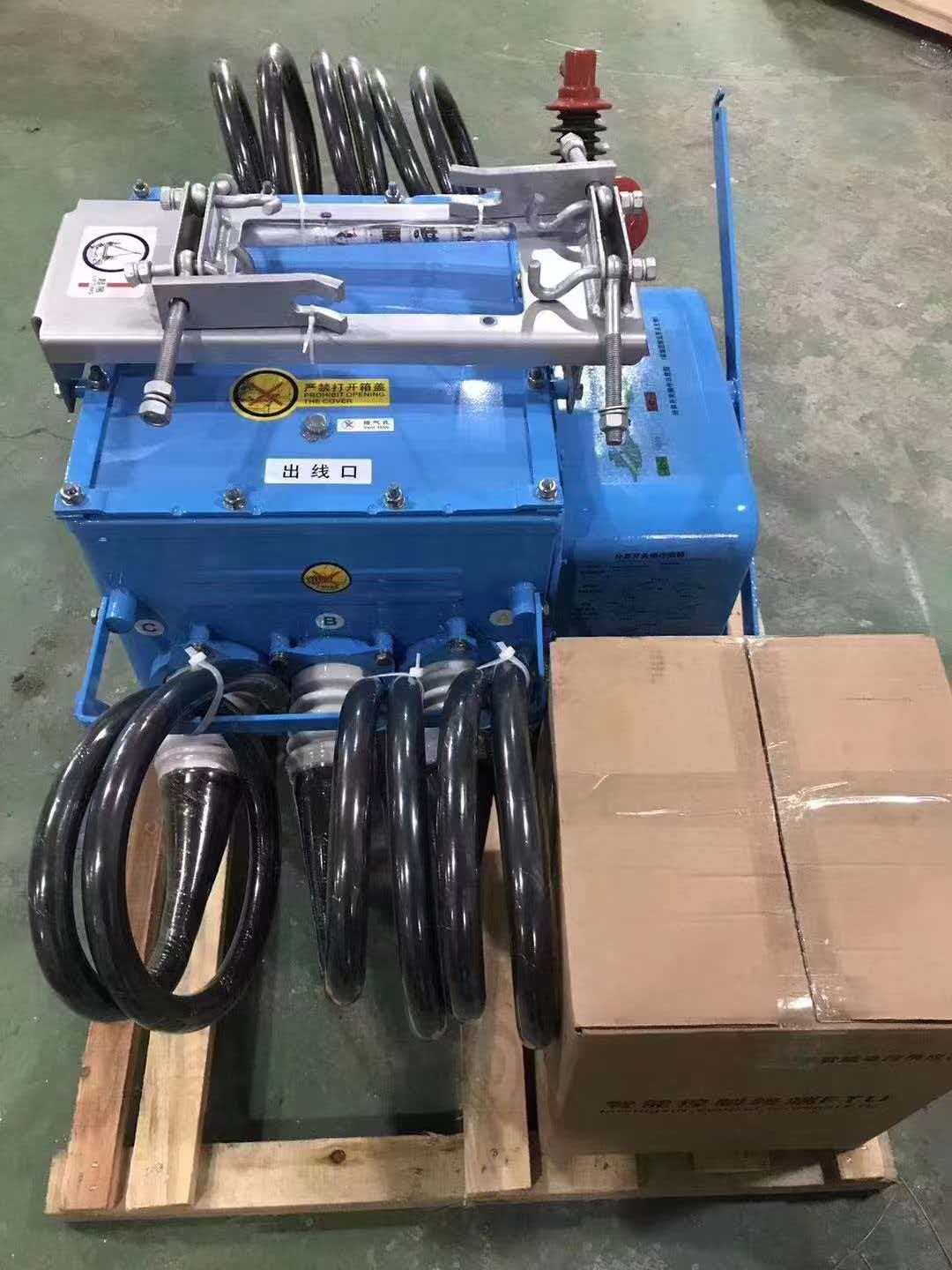
Switchgear commissioning represents one of the most critical phases in electrical infrastructure deployment. Before any switchgear system can safely operate in a production environment, comprehensive testing and validation must occur. The difference between a successful commissioning process and a problematic one often determines whether your electrical system will perform reliably for decades or face unexpected failures and costly downtime.
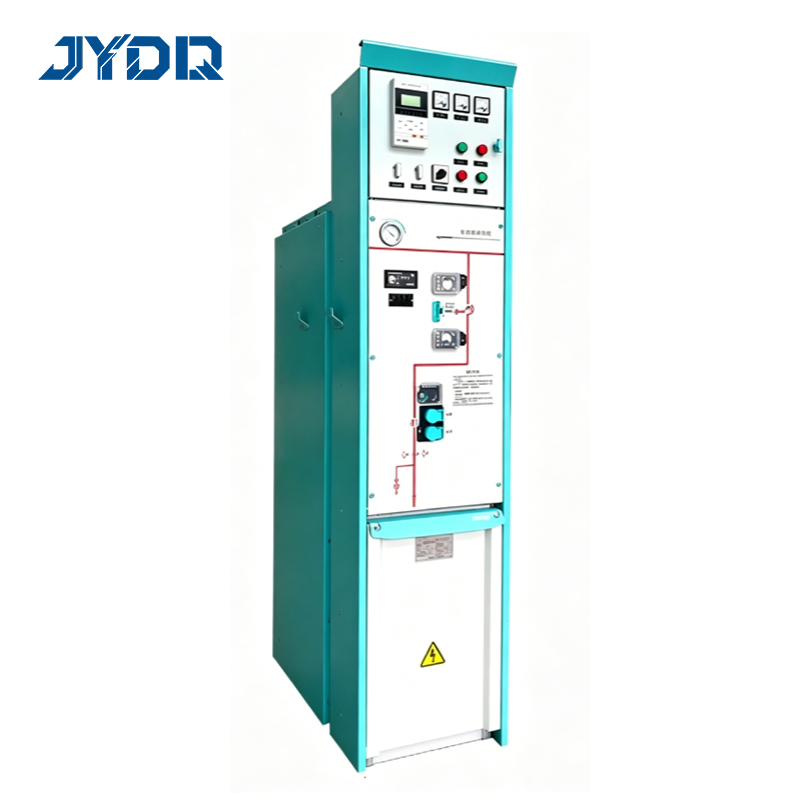
Understanding which commissioning test procedures matter most requires knowledge of electrical standards, equipment specifications, and operational safety requirements. Not all tests carry equal weight, and prioritizing the right inspection activities ensures maximum confidence in your switchgear installation. This guide explores the essential tests that define a rigorous commissioning process and explains why each one protects your investment and operational integrity.
Understanding Switchgear Commissioning Test Requirements
The Role of Commissioning in Equipment Validation
Commissioning transforms a newly installed switchgear system from static hardware into a validated, operational asset. A proper commissioning test program verifies that all components function according to design specifications and that the entire system integrates correctly. During this phase, technicians perform systematic inspection and test activities that confirm mechanical assembly, electrical continuity, insulation integrity, and control logic all work as intended.
The commissioning test process also establishes a performance baseline against which future maintenance activities can be measured. By documenting initial test results, facility managers gain reference data for trending analysis and early fault detection. This foundational documentation becomes invaluable when diagnosing equipment degradation or investigating operational issues years after initial installation.
Standards Governing Switchgear Commissioning Procedures
International standards such as IEC 62271 and IEEE C37 series establish mandatory requirements for switchgear commissioning test protocols. These standards specify which inspection activities must occur, acceptable test tolerances, documentation requirements, and safety procedures. Compliance with applicable standards protects personnel, safeguards equipment, and ensures regulatory alignment across different jurisdictions and industries.
Regional variations exist in commissioning test expectations, with some specifications more stringent than others depending on voltage levels and application criticality. High-voltage switchgear demands more rigorous commissioning procedures than medium-voltage installations, reflecting the increased energy and potential hazard involved. Understanding your specific regulatory context ensures that commissioning test planning covers all mandatory requirements without omitting essential verification activities.
Essential Mechanical and Visual Inspection Procedures
Physical Assembly and Mechanical Integrity Verification
Before any electrical testing begins, comprehensive mechanical inspection confirms that all physical components are correctly assembled and properly secured. This initial inspection activity includes checking door closures, verifying fastener tightness, confirming proper sealing gasket placement, and validating that mechanical interlock mechanisms function smoothly. Mechanical defects identified during commissioning test phases can be remedied quickly, whereas failures discovered during operation cause extended outages and safety risks.
Mechanical inspection extends to examining cable entries, verifying grounding connections, and confirming that all moving contact mechanisms operate through their full range. Lubrication verification ensures that mechanical components move freely without excessive resistance, which could indicate assembly errors or contamination. These tactile and visual commissioning test activities establish confidence that the switchgear hardware foundation supports reliable electrical operation.
Environmental Cleanliness and Contamination Assessment
Contamination control during manufacturing, transport, and installation directly impacts commissioning test results and long-term reliability. Visual inspection must confirm that internal compartments remain free from dust, metal particles, construction debris, and other foreign materials. Gas-insulated switchgear requires particular attention to internal cleanliness, as even microscopic contaminants can compromise dielectric performance and create failure risks.
Humidity monitoring represents another critical environmental commissioning inspection activity. Moisture accumulation inside switchgear enclosures degrades insulation properties and promotes corrosion of electrical contacts and mechanical components. Desiccant bags, breather filters, and humidity indicators should all be verified during commissioning test procedures to prevent environmental degradation of the installed equipment.
Critical Electrical Testing and Measurement Procedures
Insulation Resistance and Dielectric Strength Assessment
Insulation resistance testing represents perhaps the most fundamental electrical commissioning test for any switchgear system. Megohm meters apply controlled voltage across insulation barriers while measuring leakage current, revealing the condition of dielectric materials and the presence of moisture or contamination. Results significantly below specification thresholds indicate installation problems or material defects that require correction before operational service begins.
Dielectric breakdown testing, conducted at standardized voltage levels specified in commissioning test protocols, verifies that insulation materials can withstand normal operating stresses plus transient overvoltages. This more aggressive commissioning test procedure pushes equipment to its designed limits, confirming adequate design margin and material quality. Such testing demands careful control of test equipment and safety procedures to protect personnel and the switchgear installation itself.
Contact Resistance and Circuit Path Verification
Low-resistance ohm measurements across main contacts, secondary contacts, and all circuit paths confirm electrical continuity and assess contact condition. Elevated resistance readings signal oxidation, corrosion, or improper contact surface preparation, all of which can cause heating and operational problems during service. Commissioning test protocols specify maximum acceptable resistance values, typically measured in microohms for main circuit contacts.
Dynamic contact resistance measurement during simulated switching operations provides commissioning test evidence that contacts maintain consistent performance throughout their operational range. This inspection activity verifies that contact geometry, pressure, and material properties combine to deliver reliable current transfer. Trending this commissioning test data across multiple operations establishes confidence in contact integrity and helps identify developing degradation before it reaches problematic levels.
Protective Relay and Control System Functional Testing
Modern switchgear incorporates sophisticated protective relays and control logic that require systematic functional verification as part of commissioning test procedures. Each protective function must be tested across its full operating range to confirm correct trip points, time delays, and logic sequencing. This commissioning inspection activity typically involves injecting test currents or voltages that simulate fault conditions, verifying that relays respond appropriately without nuisance operations or timing errors.
Control system commissioning test procedures must verify that all interlocks, permissive logic, and sequencing functions operate correctly under simulated operational scenarios. Communication between protective relays, control processors, and remote systems must be validated to ensure coordinated response to electrical events. These comprehensive commissioning test activities confirm that the protection layer functions as designed to safeguard equipment and personnel during fault conditions.
Specialized Testing and Performance Validation
Thermal and Load Current Assessment
Temperature monitoring during commissioning test procedures under rated current loading verifies that heat dissipation and ventilation systems function adequately. Thermal imaging or temperature sensors confirm that no localized hot spots develop that would indicate contact resistance problems or inadequate cooling. This commissioning inspection activity becomes increasingly important for high-capacity switchgear installations where thermal margins are tighter.
Load current commissioning tests assess that all parallel paths conduct current proportionally and that no single contact carries disproportionate current density. Unbalanced current distribution indicates contact geometry problems, oxidation, or alignment issues that must be corrected during the commissioning phase before equipment enters service. This commissioning test data provides baseline information for evaluating equipment aging and wear patterns throughout its operational life.
Timing and Speed Verification for Moving Components
Operating mechanisms in switchgear must meet strict timing specifications to ensure coordinated protection and safe operational margins. Commissioning test procedures measure the speed of moving contacts during opening and closing operations, confirming that mechanical systems deliver performance within design specifications. Timing verification becomes critical for high-speed switching applications where millisecond variations can impact protection coordination with upstream and downstream devices.
Spring pressure measurement and mechanical latching verification represent additional commissioning inspection activities that confirm operating mechanisms will function reliably throughout the switchgear design life. Wear compensation mechanisms must be tested to ensure that age-related changes do not gradually degrade operating performance. These detailed commissioning test procedures protect against subtle degradation that might otherwise go undetected until failures occur in service.
FAQ
What is the primary objective of switchgear commissioning testing?
The primary objective of commissioning testing is to verify that installed switchgear equipment meets all design specifications and performs safely and reliably before operational service begins. Commissioning test procedures confirm mechanical integrity, electrical continuity, insulation quality, and protective function operation. This validation process establishes a baseline of equipment condition and creates documented evidence that the installation meets applicable standards and regulatory requirements, protecting both the equipment investment and operational personnel.
How long does a typical switchgear commissioning test program require?
The duration of switchgear commissioning test activities depends on equipment complexity, voltage rating, and regulatory requirements. Simple medium-voltage installations might require one to three weeks of commissioning inspection and test work, while high-voltage or complex switchgear systems can demand two to three months or longer. Thorough planning, adequate test personnel, and efficient scheduling of commissioning test activities minimize delays while ensuring no critical inspection procedures are omitted or rushed.
What happens if commissioning tests reveal equipment defects or specification deviations?
When commissioning test results reveal defects or specification deviations, affected components must be repaired, replaced, or adjusted until subsequent commissioning test measurements confirm compliance. The manufacturer and installation contractor bear responsibility for remediating commissioning test failures at no cost to the owner. All corrective actions must be documented and re-verified through additional commissioning inspection procedures to confirm that repairs resolve the identified problems completely before equipment enters service.

 EN