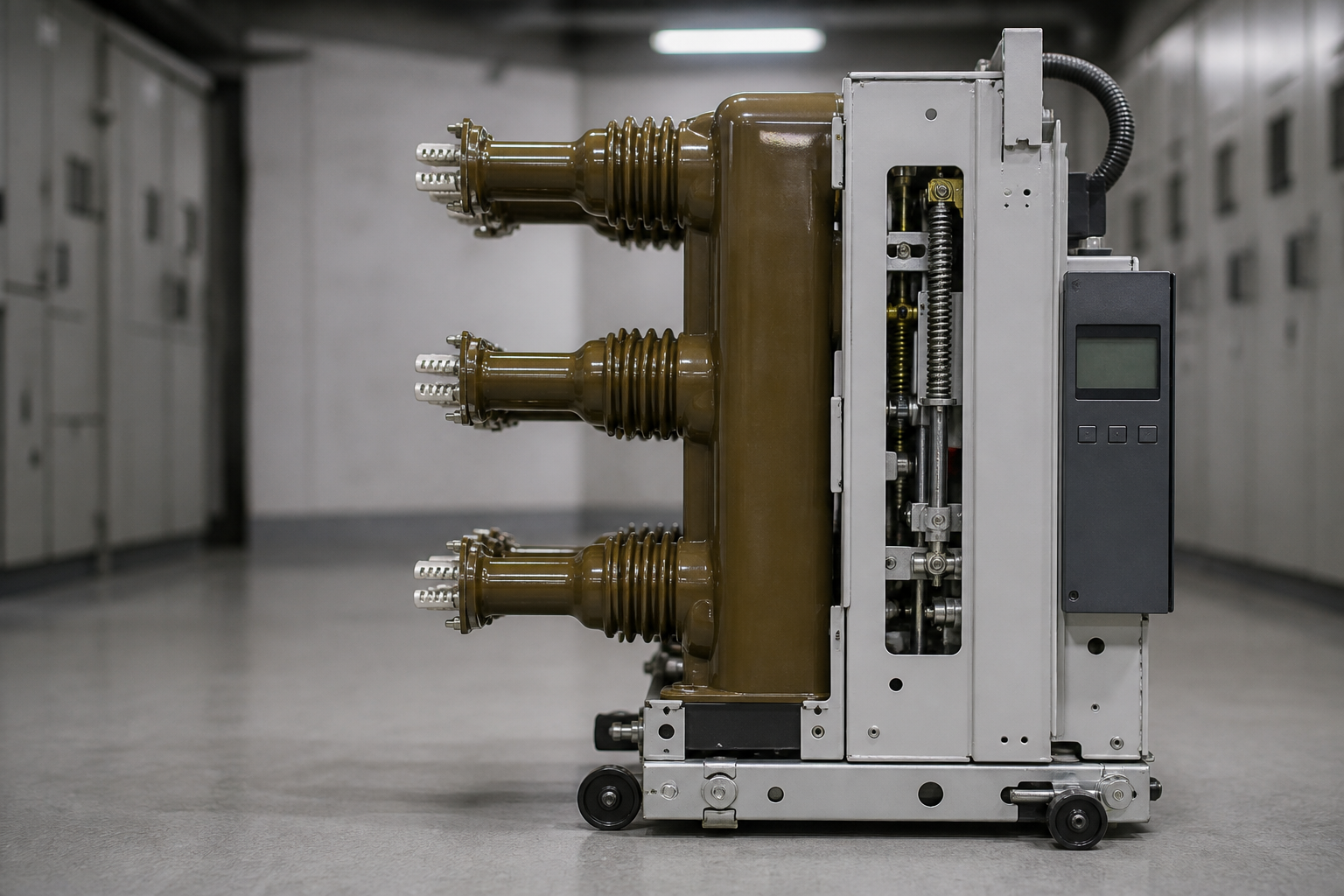
Switchgear contact overheating represents one of the most critical operational challenges in electrical systems, yet many facility managers remain unaware of its underlying causes. When switchgear contacts overheat, the consequences extend far beyond temporary performance dips—they can trigger equipment failure, compromise safety, and create unplanned downtime that disrupts entire industrial operations. Understanding what causes switchgear contact overheating is essential for any organization relying on reliable power distribution and electrical protection systems.
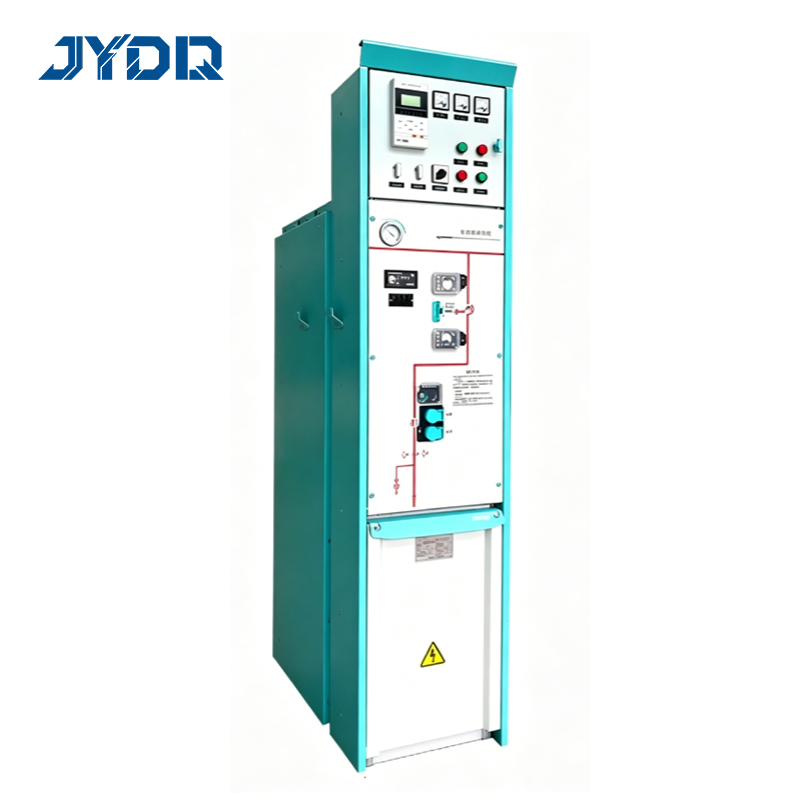
The causes of contact overheating in switchgear systems are multifaceted, stemming from electrical, mechanical, and environmental factors that often interact with one another. Whether you manage a utility-scale installation, industrial facility, or commercial building, learning to identify and address these root causes will help you maintain operational continuity and extend asset lifespan. This guide explores the primary mechanisms driving switchgear contact overheating and provides actionable insights for preventing costly failures.
Understanding Contact Resistance in Switchgear
The Role of Contact Resistance in Heat Generation
Contact resistance is the primary electrical barrier that occurs at the interface where two conducting surfaces meet inside switchgear. When current flows through these contacts, electrical resistance converts kinetic energy into heat according to Joule's law. Even a small increase in contact resistance can dramatically elevate temperatures, since heat generation scales proportionally with the square of the current flowing through the system. In high-amperage applications common in industrial switchgear, even minor contact resistance problems generate substantial thermal energy.
The resistance itself depends on multiple physical factors: the surface area of contact, the materials used, contact force, and surface contamination. Poor contact pressure, surface oxidation, corrosion, or mechanical wear all increase the effective contact resistance. Over time, repeated thermal cycling, vibration, and environmental exposure degrade contact surfaces, causing resistance to creep upward. This self-reinforcing cycle—higher resistance leads to more heat, which accelerates degradation—explains why contact resistance problems tend to worsen rapidly without intervention.
Surface Conditions and Material Degradation
Contact surfaces inside switchgear must maintain pristine conditions to minimize resistance and heat generation. However, oxidation naturally occurs on exposed metal surfaces, creating an insulating oxide layer that blocks direct contact between conducting materials. Copper oxidizes to form high-resistance cuprous oxide, while aluminum develops an aluminum oxide barrier. In humid or corrosive environments, this degradation accelerates significantly, leading to accelerated contact resistance growth and overheating in switchgear systems.
Contamination from dust, moisture, salt spray, or industrial pollutants further compromises contact surfaces. Fingerprints or handling residues left during installation can create additional resistance. Silver-plated contacts resist oxidation better than bare copper, but plating thickness and integrity matter critically. As switchgear ages and contacts experience thousands of open-close cycles, microscopic wear reduces contact force and surface area, both driving contact resistance upward and worsening overheating.
Maintenance Deficiencies and Operational Factors
Inadequate Maintenance Schedules and Inspection Gaps
Many organizations underestimate the importance of preventive maintenance for switchgear systems, allowing contact degradation to progress unchecked until overheating becomes evident. Without regular inspection and maintenance, oxidation, corrosion, and contamination accumulate silently. Thermal imaging and resistance measurement—the primary diagnostic tools for detecting rising contact resistance—are often neglected in resource-constrained facilities. This creates a dangerous blind spot where serious problems develop undetected until thermal failure or arc flash incidents occur.
Effective maintenance prevents contact overheating by addressing root causes before they escalate. Scheduled contact cleaning removes oxidation and contamination, restoring proper surface conductivity. Periodic retightening of contact pressure screws compensates for mechanical relaxation that occurs naturally over months and years. Thermographic surveys during load testing reveal developing hotspots, enabling targeted intervention before failures cascade. Facilities practicing structured maintenance regimens experience dramatically fewer overheating incidents compared to those operating on reactive, crisis-response models.
Operating Conditions and Current Loading
Current loading directly influences thermal stress on switchgear contacts through the relationship between power dissipation and resistance. Heavy loading pushes amperage closer to design limits, magnifying the heating effect of any existing contact resistance. Facilities operating switchgear near rated capacity leave little thermal margin for degradation. As contact resistance naturally increases over time, the thermal consequence becomes more severe at high load levels, creating conditions where previously acceptable resistance suddenly triggers dangerous overheating.
Transient switching events, inrush currents, and fault conditions create momentary current spikes that generate extreme localized heating at contact surfaces. This thermal stress accelerates contact material degradation and surface erosion. Environmental factors also matter—switchgear operating in hot ambient conditions starts with elevated baseline temperatures, so additional contact resistance heat pushes contacts past safe operating limits more readily. Conversely, temperature-controlled indoor installations enjoy greater thermal capacity before reaching dangerous overheating thresholds.
Mechanical and Design Considerations
Contact Pressure and Mechanical Wear
Proper contact pressure is absolutely critical for maintaining low contact resistance and preventing overheating in switchgear. The contact force between mating surfaces must be sufficient to create true metallic contact across the interface, displacing any oxide or contaminant layers. When contact pressure degrades—due to spring relaxation, mechanical wear, or improper assembly—resistance increases and heat generation accelerates. This degradation often progresses gradually, making it difficult to detect without proper diagnostic tools and maintenance discipline.
Each operating cycle imposes mechanical stress on contact assemblies, causing springs to weaken and contact surfaces to wear. After thousands of operations, cumulative wear reduces contact force significantly. Arcing events during switching, especially during fault interruption, can pit contact surfaces and erode material, further compromising surface area and contact quality. High-duty-cycle applications experience accelerated contact wear compared to installations with infrequent switching operations, explaining why heavily used switchgear requires more aggressive maintenance schedules to prevent contact overheating.
Material Selection and Design Factors
The materials selected for contact surfaces fundamentally influence susceptibility to overheating problems. Silver-alloy contacts resist oxidation and maintain low resistance over extended periods, making them superior to bare copper in contaminated environments. However, silver-alloy contacts cost more and require different maintenance protocols. Design deficiencies—such as undersized contacts, inadequate heat dissipation paths, or poor current distribution—can predispose switchgear to overheating even when individual components function correctly.
Contact geometry and current distribution patterns significantly affect local heating. Contacts designed with optimal pressure distribution and surface area geometry can operate cooler than poorly designed alternatives carrying identical current. Some switchgear designs incorporate thermal management features like heat sinks or natural convection paths that help dissipate contact heat, while others lack such provisions. Modern switchgear incorporates improved contact materials and thermal engineering to address these historical limitations, reducing overheating risk compared to older installations.
FAQ
What temperature range indicates dangerous contact overheating in switchgear?
Switchgear contacts should remain within manufacturer-specified temperature limits, typically 70–80 degrees Celsius under normal operating conditions. Temperatures exceeding 100 degrees Celsius indicate abnormal conditions requiring immediate investigation. Thermal imaging that reveals contact temperatures rising 20–30 degrees Celsius above ambient conditions signals developing contact resistance problems. Sustained overheating above design limits accelerates material degradation and creates immediate arc flash hazards, making rapid diagnosis and corrective maintenance essential.
How often should switchgear contacts receive maintenance inspection?
Maintenance frequency depends on operating duty, environment, and criticality, but most industrial facilities should inspect switchgear contacts annually at minimum. High-duty-cycle applications or contaminated environments warrant semi-annual or quarterly inspections. Each maintenance interval should include thermal imaging, visual inspection for oxidation or corrosion, contact pressure verification, and resistance measurement where feasible. Preventive maintenance on this schedule catches developing contact resistance problems before overheating becomes dangerous, extending switchgear lifespan and preventing unplanned failures.
Can contact overheating in switchgear cause arc flash incidents?
Yes, contact overheating significantly increases arc flash risk by destabilizing electrical contacts and creating conditions for unplanned arcing events. Elevated contact temperatures reduce material strength and can trigger contacts to separate unexpectedly during operation. Rising contact resistance generates localized heating that can initiate localized melting or vaporization, leading to arcing faults. These incidents create extreme thermal and pressure waves that pose severe personnel hazards. Effective maintenance that prevents contact overheating is therefore an essential component of any comprehensive arc flash safety program.

 EN