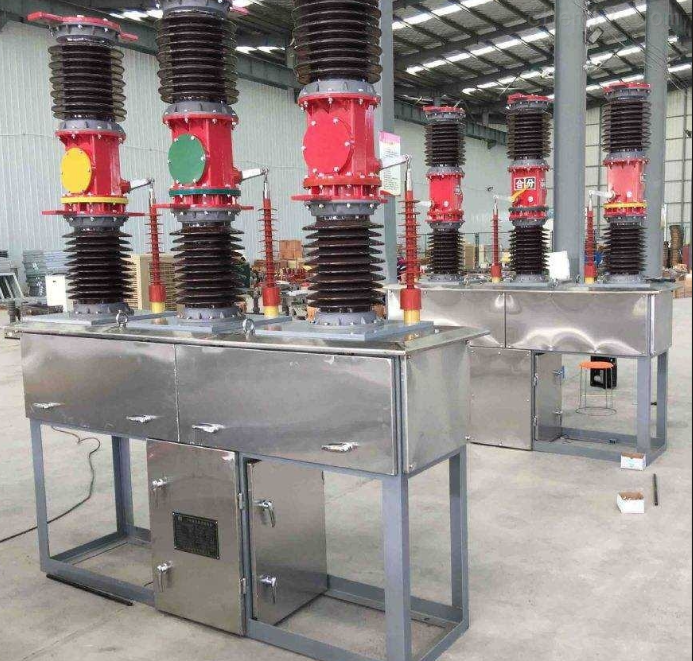
Procurement professionals in industrial and utility sectors face mounting pressure to balance upfront capital expenditure against long-term operational expenses. The decision to invest in high and low voltage switchgear extends far beyond the initial purchase price. Lifecycle cost has emerged as the defining metric that reshapes how organizations evaluate, select, and deploy electrical distribution equipment. Understanding this connection transforms procurement from a simple price-comparison exercise into a strategic financial decision that impacts operational budgets for decades.
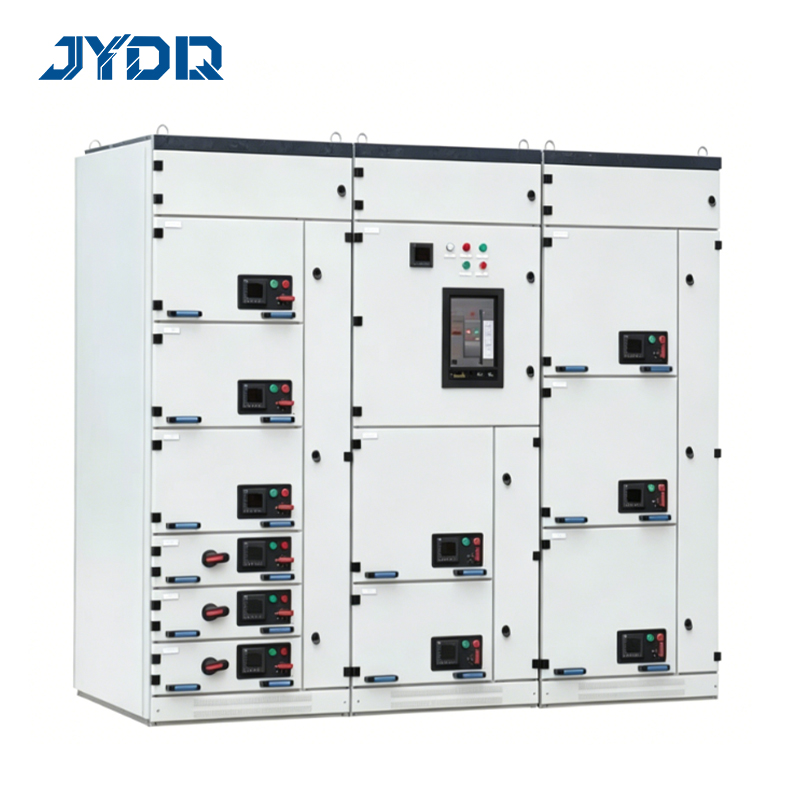
Modern procurement departments recognize that the true cost of electrical equipment ownership spans its entire operational lifespan. Lifecycle cost analysis encompasses capital investment, energy losses, maintenance requirements, downtime risk, and eventual decommissioning. When evaluating high and low voltage switchgear systems, procurement teams must weigh equipment reliability, spare parts availability, technical support quality, and operational efficiency. This comprehensive approach reveals why premium equipment often delivers superior financial returns compared to budget alternatives, even when initial price tags appear significantly higher.
Understanding Lifecycle Cost in Switchgear Selection
Core Components of Total Ownership Cost
Lifecycle cost calculations begin with direct acquisition expenses but quickly expand to encompass hidden operational factors. High and low voltage switchgear assets generate expenses throughout their service life, including installation labor, commissioning procedures, ongoing maintenance programs, spare component inventory, and eventual replacement. Energy consumption represents another substantial cost driver, particularly in applications where switchgear operates continuously or handles substantial load currents. Equipment downtime, whether planned for maintenance or unplanned due to failure, imposes indirect costs through production losses and emergency response expenses.
Maintenance represents one of the largest components within switchgear lifecycle cost structures. Preventive maintenance programs require scheduled inspections, contact cleaning, fluid analysis, thermal monitoring, and component replacement according to manufacturer recommendations. Unplanned failures trigger emergency service calls, expedited parts procurement, and operational disruption that often cost ten times more than preventive interventions. The procurement decision directly influences maintenance frequency and expense levels, as equipment quality, design redundancy, and condition monitoring capabilities vary significantly across manufacturer offerings.
Financial Impact on Capital Budgets
Organizations often underestimate how lifecycle cost considerations reshape annual procurement budgets and multi-year capital planning. High and low voltage switchgear selections that minimize lifecycle cost may require higher initial capital investment but reduce ongoing operational expenses by 30 to 50 percent over fifteen to twenty-year equipment lifespans. Procurement teams must present business cases that justify premium equipment costs through demonstrated return on investment metrics. Facilities managers and financial controllers increasingly demand lifecycle cost transparency, moving away from lowest-price purchasing toward total-cost-of-ownership evaluation models.
Maintenance Strategy Influence on Procurement Decisions
Preventive Maintenance Requirements and Equipment Design
Equipment design fundamentally determines maintenance demands throughout the operational period. High and low voltage switchgear designed with accessibility features, modular component architecture, and condition monitoring capabilities reduce maintenance labor requirements and extend service intervals. Switchgear systems incorporating integrated diagnostic tools provide real-time equipment status information, enabling predictive maintenance schedules that prevent failures before they occur. These design advantages directly lower lifecycle cost by minimizing emergency repairs, reducing unscheduled downtime, and optimizing spare parts inventory levels.
Procurement specifications should prioritize maintenance accessibility when evaluating competing equipment options. High and low voltage switchgear with plug-and-play module designs allow technicians to perform most maintenance tasks quickly without extensive disassembly or specialized training. Standardized internal component layouts facilitate faster diagnostics and reduce troubleshooting time during emergency situations. Spare parts commonality across equipment generations extends component availability throughout the asset lifespan, preventing situations where aging equipment becomes obsolete and parts become unavailable.
Technical Support and Service Network Impact
Manufacturer support infrastructure directly affects lifecycle cost through availability and responsiveness of maintenance services. High and low voltage switchgear sourced from manufacturers with robust local service networks experience shorter response times and lower emergency service costs. Training programs, technical documentation quality, and remote diagnostic capabilities influence maintenance labor efficiency. Procurement teams should evaluate manufacturer service commitments, warranty coverage duration, and spare parts availability guarantees before finalizing equipment selections.
Strategic Procurement Approaches Aligned with Lifecycle Cost
Total Cost of Ownership Evaluation Frameworks
Forward-thinking procurement departments implement structured methodologies for comparing equipment alternatives based on lifecycle cost metrics. High and low voltage switchgear evaluation frameworks should incorporate quantified assumptions for energy consumption, maintenance intervals, labor costs, downtime impact, and replacement timing. Sensitivity analysis reveals how changing operational assumptions affect lifecycle cost conclusions, helping procurement teams understand financial risk factors. Standardizing these evaluation approaches across the organization ensures consistent procurement decisions and prevents situations where high-cost alternatives get selected based on factors unrelated to lifecycle cost.
Procurement teams must establish clear financial criteria for equipment investment decisions. High and low voltage switchgear selections should demonstrate positive net present value across their operational lifespan when lifecycle cost assumptions reflect organizational operational reality. Equipment warranties, expected service life, reliability statistics, and manufacturer track records inform realistic lifecycle cost projections. Conservative financial modeling that incorporates contingency factors for unexpected repairs produces more reliable business case justifications for capital investment requests.
Standardization and Volume Purchasing Benefits
Standardizing on fewer high and low voltage switchgear manufacturers across the organization reduces lifecycle cost through spare parts consolidation and technician expertise concentration. Facilities with identical equipment designs benefit from reduced training requirements, faster maintenance execution, and streamlined spare parts inventory management. Volume purchasing agreements negotiated based on multi-year equipment commitments frequently include favorable warranty terms, extended service support, and preferential pricing that reduces total ownership expenses. Lifecycle cost analysis often justifies equipment standardization decisions that appear more restrictive than diversified sourcing approaches.
FAQ
How significantly does maintenance impact the overall lifecycle cost of high and low voltage switchgear?
Maintenance typically represents 15 to 35 percent of total lifecycle cost for high and low voltage switchgear systems, depending on equipment design, operating environment, and maintenance strategy implementation. Well-designed switchgear with modular components and accessibility features reduces maintenance labor costs substantially. Preventive maintenance programs cost far less than emergency repairs and unplanned downtime, often reducing total maintenance expenses by 40 to 60 percent compared to reactive maintenance approaches. Procurement selections that emphasize serviceability and manufacturer support capabilities produce significant lifecycle cost reductions through lower maintenance expenses.
What role does energy efficiency play in switchgear lifecycle cost calculations?
Energy efficiency directly influences lifecycle cost, particularly in applications where switchgear operates continuously or handles substantial electrical loads. Modern high and low voltage switchgear equipped with low-loss design features can reduce energy consumption by 5 to 15 percent compared to older generations. Over a twenty-year operational lifespan, these efficiency improvements compound into substantial cost savings, especially as electricity rates increase. Procurement teams should factor energy consumption projections into lifecycle cost models when evaluating switchgear alternatives, as efficiency improvements often justify premium equipment investments.
Can lifecycle cost analysis justify higher initial equipment investment for high and low voltage switchgear?
Yes, lifecycle cost analysis frequently demonstrates that premium high and low voltage switchgear equipment delivers superior financial returns despite higher upfront prices. Equipment featuring advanced reliability engineering, integrated condition monitoring, and superior manufacturing quality experiences fewer failures, lower maintenance expenses, and extended service life. When lifecycle cost analysis incorporates realistic operational assumptions and incorporates all ownership expenses, premium equipment often produces 15 to 25 percent lower total cost of ownership compared to budget alternatives. Procurement teams should present these business cases to financial stakeholders to justify capital investment in higher-quality equipment options.

 EN