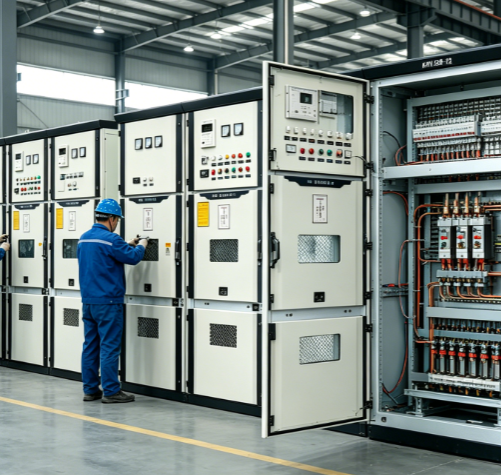
Selecting and matching high voltage switchgear with your system's fault level is one of the most critical decisions in electrical infrastructure design. Improper matching between switchgear capacity and actual fault levels can lead to equipment failure, safety hazards, and catastrophic power system damage. Engineers and facility managers must understand the relationship between fault level calculations, breaker rating specifications, and physical switchgear selection to ensure reliable operation.
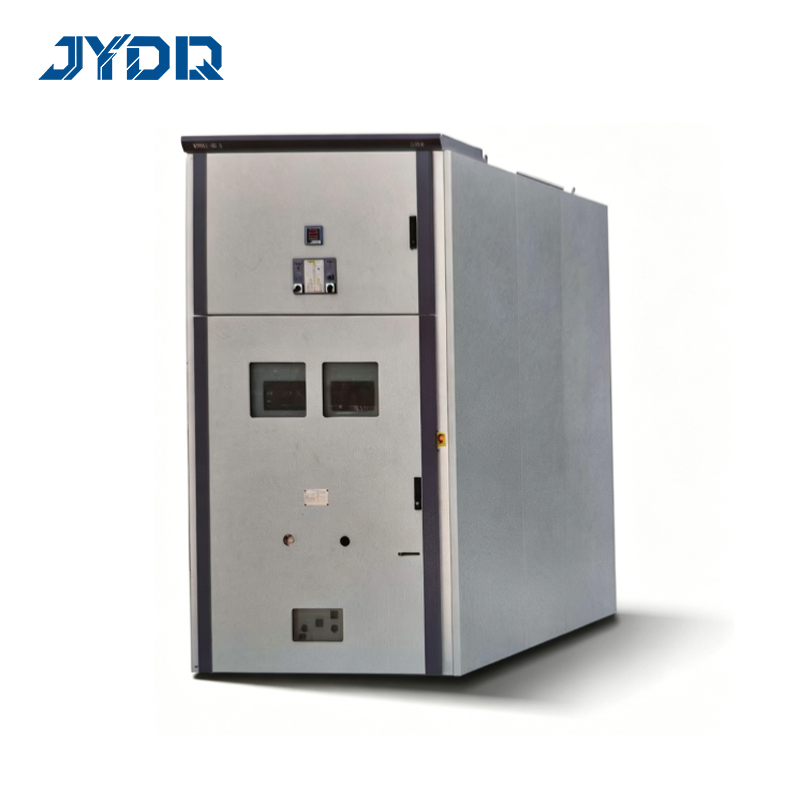
The process of matching switchgear to fault levels requires a methodical approach that integrates system analysis, regulatory compliance, and practical engineering judgment. When fault level conditions exceed the rated capacity of installed switchgear, the equipment cannot safely interrupt or contain the fault current, risking catastrophic failure during system disturbances. Understanding how to correctly assess fault levels and select appropriate breaker rating specifications ensures your electrical system maintains safety, stability, and operational reliability under all conditions.
Understanding System Fault Levels and Their Impact
What Defines Fault Level in Electrical Systems
Fault level represents the maximum short circuit current that can flow at a specific point in an electrical network during a fault condition. This value is typically expressed in kiloamperes (kA) and depends on the system voltage, source impedance, transformer ratings, and network configuration. Accurately calculating fault level is the foundational requirement for selecting compatible high voltage switchgear. A fault level calculation considers contributions from the utility supply, on-site generators, and synchronous motors, as these sources all supply current during short circuit events.
The short circuit current magnitude directly determines the mechanical and thermal stresses placed on switchgear during a fault. Higher fault levels demand switchgear with greater short circuit withstand ratings. In industrial facilities, calculating fault level is typically performed by electrical engineers using detailed network models and fault analysis software. Standards such as IEC 60909 and IEEE C37.010 provide methodologies for accurate fault level determination. Without precise fault level data, equipment selection becomes unreliable and creates unacceptable safety risks.
Consequences of Mismatched Fault Levels
When high voltage switchgear is installed in a system with fault levels exceeding its rated capacity, multiple failure modes become possible. The breaker rating may be insufficient to interrupt the fault current, causing arcing and equipment destruction. Mechanical forces from high short circuit currents can permanently deform or fracture switchgear contacts, busbars, and structural components. Thermal stresses can melt internal conductors and insulation, leading to internal arcing and phase-to-phase or phase-to-ground faults. These cascading failures jeopardize personnel safety and can trigger complete power system blackouts affecting large areas.
Beyond immediate safety risks, mismatched equipment accelerates maintenance cycles, increases insurance liability, and creates compliance violations with electrical codes and standards. Facilities operating undersized switchgear face regulatory citations, failed inspections, and insurance claim denials. The financial impact of equipment replacement is often far less than the cost of a catastrophic failure, unplanned downtime, or liability settlements following an incident.
Calculating Fault Levels for Switchgear Selection
Methodology for Accurate Fault Level Assessment
Calculating fault level requires systematic data collection and network modeling. Begin by documenting all sources of short circuit current: utility supply short circuit capacity, transformer impedance values, on-site generator ratings and sub-transient reactance, and motor contributions from synchronous and induction machines. The fault level at any point depends on the network impedance between that point and all active current sources. Using hand calculations or fault analysis software, determine the three-phase fault level, which typically represents the maximum short circuit scenario at that location.
For high voltage switchgear applications, also calculate phase-to-phase and phase-to-ground fault levels if asymmetrical faults may exceed three-phase values. Document the voltage class, frequency, and system grounding configuration, as these factors influence fault level magnitude. Record results in a fault level study report that becomes the foundation for breaker rating selection. This documented data ensures consistency across equipment procurement and future system modifications.
Integration with Breaker Rating Requirements
Once fault level is determined, the selected breaker rating must equal or exceed this calculated value. Breaker rating specifications define both the continuous current capacity and the short circuit interrupting capacity measured in kA. For high voltage switchgear, the breaker rating must accommodate the maximum symmetrical and asymmetrical short circuit currents. Standards such as IEC 62271-100 define how breaker ratings relate to fault level protection. A common selection criterion is that breaker rated short circuit capacity must be at least equal to the calculated system fault level at that switchgear location.
Engineers often apply safety margins by selecting switchgear with 10 to 20 percent higher ratings than calculated fault levels to account for future system growth or calculation uncertainties. This conservative approach protects against undersizing as facility loads expand or utility supply increases. However, excessive overrating drives up equipment cost and footprint without meaningful benefit. Balancing calculated requirements against practical cost and space constraints requires experienced engineering judgment combined with manufacturer guidance.
Selecting and Installing Compatible High Voltage Switchgear
Matching Switchgear Specifications to System Requirements
Once fault level and breaker rating specifications are confirmed, the high voltage switchgear must be selected to match these electrical parameters. Switchgear manufacturers provide detailed technical data sheets specifying voltage class, short circuit capacity, continuous current rating, operating frequency, and environmental performance limits. Verify that the selected switchgear model has been rated and tested to meet the calculated fault level at your installation voltage. Certification and test reports from recognized standards bodies confirm switchgear performance under the specified fault conditions.
Consider additional factors including installation environment, temperature extremes, altitude, pollution levels, and maintenance accessibility. High voltage switchgear types such as metal-enclosed switchgear, open-terminal designs, and modular configurations each offer different installation flexibility and fault handling characteristics. Consult with manufacturers and system integrators to identify the switchgear configuration that best matches your electrical requirements, physical space, and operational needs. Proper equipment selection minimizes installation problems and ensures long-term reliability.
Installation and Commissioning Best Practices
After selecting compatible switchgear, proper installation becomes critical to achieving the intended fault level protection. Breaker alignment, contact pressure settings, and timing adjustments must be performed according to manufacturer specifications. Field personnel must verify that mechanical interlocks, protective relay settings, and control circuits are correctly configured. Pre-commissioning tests including contact resistance measurements, insulation resistance tests, and functional operation checks validate that switchgear operates safely before energization. These commissioning activities confirm that installed equipment meets design specifications and rated fault level performance.
Documentation should include the fault level study, equipment ratings, installation drawings, test records, and maintenance procedures. This complete record ensures that future technicians understand the design basis for installed switchgear and can make informed decisions during maintenance, upgrades, or system modifications. Regular maintenance intervals should be established to keep switchgear contacts clean, mechanisms lubricated, and protective relays calibrated, preserving the equipment's ability to handle the rated short circuit and fault level conditions throughout its operating life.
FAQ
What happens if high voltage switchgear is undersized for the actual fault level?
Undersized switchgear cannot safely interrupt excessive short circuit currents, leading to catastrophic failure including internal arcing, contact melting, mechanical deformation, and complete loss of fault protection. The resulting equipment damage and power outages create serious safety hazards and substantial financial losses. Facilities operating undersized switchgear violate electrical codes and standards, exposing organizations to regulatory fines, insurance claims denial, and liability for damages.
How frequently should fault level calculations be updated to ensure breaker rating remains adequate?
Fault level studies should be revisited whenever significant system changes occur, such as adding generation sources, modifying transformer configurations, expanding utility interconnections, or substantially increasing facility loads. Many facilities conduct comprehensive fault level analysis every three to five years as part of regular maintenance planning. If system changes are minimal and documented, previously calculated values may remain valid. However, documented system modifications should always trigger a review to confirm that installed high voltage switchgear continues to match current fault level conditions.
Can protective relays compensate for undersized breaker rating when short circuit occurs?
Protective relays detect fault conditions and send trip signals to switchgear, but they cannot overcome the physical limitations of undersized breaker interrupting capacity. If the breaker cannot mechanically interrupt the short circuit current, arcing and equipment damage occur regardless of relay signals. Relays provide important protection but must work in conjunction with switchgear breakers that have adequate short circuit rating. Both components—relay protection and properly rated breaker capacity—are essential for safe, reliable fault level management.

 EN