Understanding the true financial impact of transformer investments requires a comprehensive evaluation of lifecycle costs rather than focusing solely on initial purchase price. An oil immersed transformer represents a significant capital expenditure for industrial and utility operations, and the total cost of ownership extends far beyond the equipment acquisition. When evaluating these assets, facility managers and procurement teams must account for multiple cost dimensions including installation, operation, maintenance, energy loss, and eventual decommissioning.
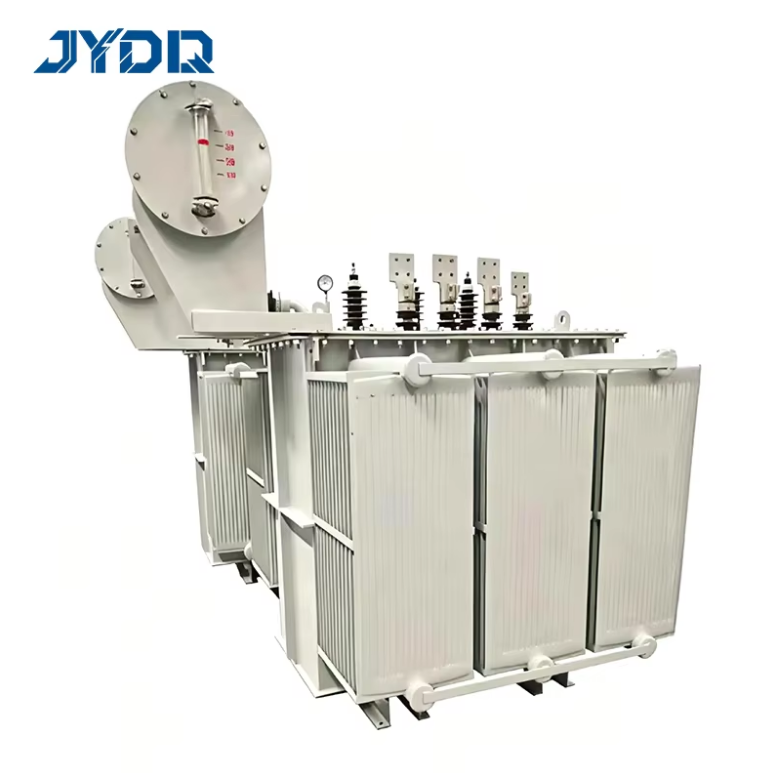
The lifecycle cost approach transforms transformer procurement from a simple price comparison into a strategic decision-making process. By examining how an oil immersed transformer will perform and incur costs throughout its operational lifetime, organizations can identify which investment option delivers the greatest value and reliability. This methodology reveals hidden cost drivers that significantly influence the total expense and operational performance over fifteen to forty years of service.
Understanding Lifecycle Cost Components
Direct Acquisition and Installation Expenses
The initial purchase price of an oil immersed transformer forms only the first component of lifecycle cost evaluation. Beyond the equipment itself, procurement costs include delivery, site preparation, foundation construction, and professional installation labor. These upfront expenses can represent ten to twenty percent of the total lifecycle cost, depending on transformer capacity and site conditions. Understanding this baseline cost structure provides the foundation for comparing different equipment options and identifying cost-saving opportunities during the specification phase.
Energy Loss and Operating Efficiency
One of the most substantial drivers of lifecycle cost is energy loss, which represents ongoing operational expense throughout the transformer's service life. An oil immersed transformer experiences both no-load losses and load losses that continuously dissipate energy as heat. For a continuously operated transformer, these losses can accumulate to thousands of dollars annually in wasted electricity and cooling costs. When multiplied across ten to forty years of operation, energy loss becomes the dominant cost component, often exceeding the initial purchase price. Evaluating the transformer's efficiency rating and loss profile enables more accurate total lifecycle cost calculations and identifies opportunities to reduce operational expenses through high-efficiency equipment selection.
Maintenance and Operational Responsibilities
Preventive Maintenance Requirements
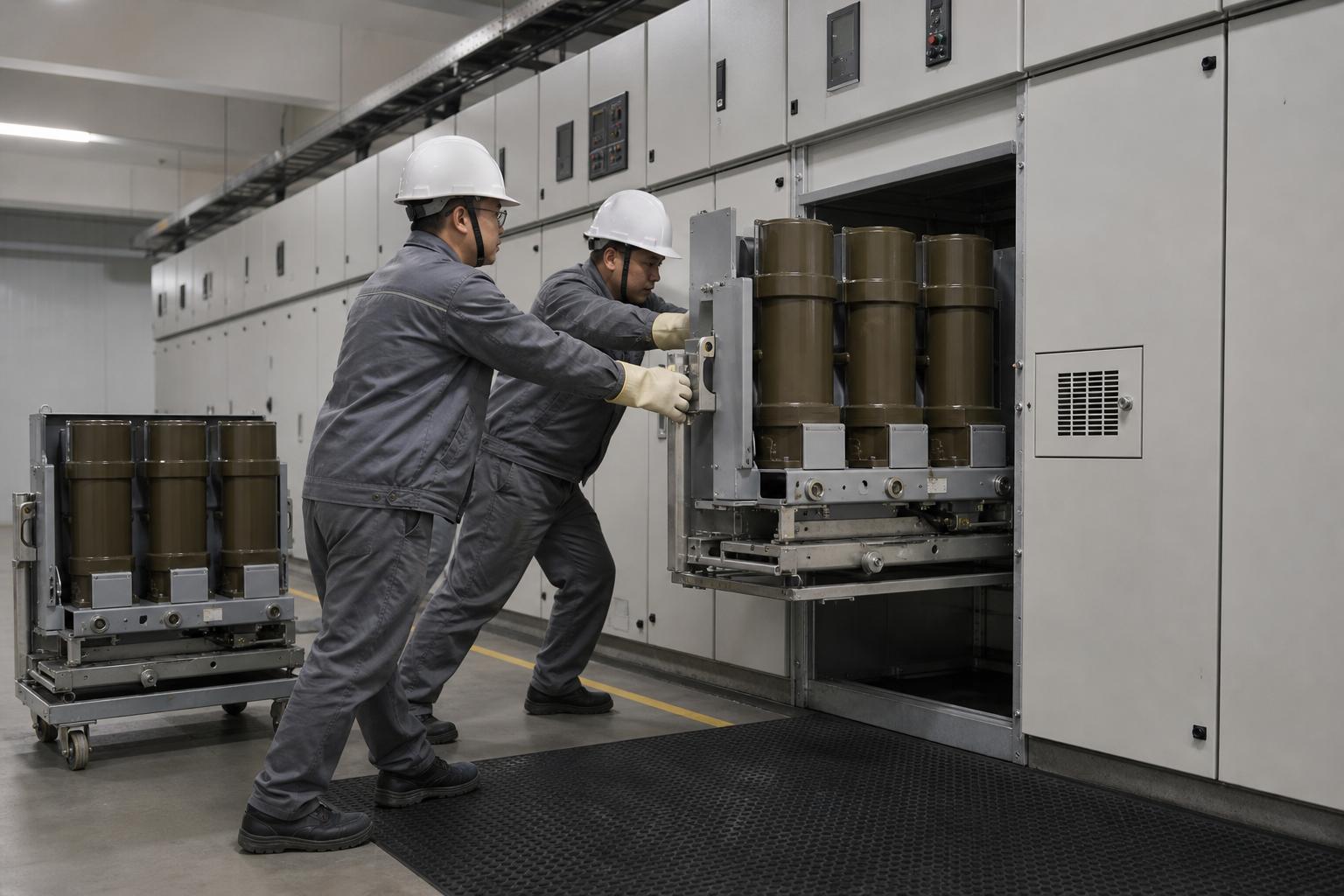
Regular maintenance is essential for sustaining the performance and extending the operational life of an oil immersed transformer. Maintenance activities include oil testing and analysis, cooling system inspection, gasket and seal replacement, and thermal monitoring. These preventive maintenance procedures help identify emerging degradation before catastrophic failure occurs and protect the transformer investment. Annual and multi-year maintenance cycles create recurring expenses that accumulate substantially over the equipment's lifetime. Budgeting for maintenance requires understanding the specific demands of your transformer model, expected failure modes, and the cost of routine service visits from qualified technicians.
Unplanned Failure and Repair Costs
While preventive maintenance reduces the risk of unexpected failures, transformers occasionally experience operational issues that demand emergency repair or component replacement. The lifecycle cost evaluation must account for the probability and expense of unplanned maintenance events, which can be significantly higher than routine servicing. A catastrophic failure of an oil immersed transformer can involve not only equipment repair or replacement but also business interruption losses, emergency response costs, and environmental remediation if oil containment is compromised. Understanding the reliability characteristics and failure rate statistics for different transformer designs helps organizations estimate the realistic probability and potential financial impact of unplanned maintenance events.
Long-Term Value Assessment and Decision Criteria
Total Cost of Ownership Analysis
Comprehensive lifecycle cost evaluation integrates all expense categories into a single financial model that compares candidate transformer options over their expected operational lifespan. This methodology accounts for the time value of money by applying discount rates to future expenses, recognizing that costs incurred in future years have less financial impact than identical costs in the present. The total lifecycle cost analysis reveals which equipment option minimizes the present-value cost of ownership while meeting technical and operational requirements. For many organizations, a transformer offering slightly higher initial cost but superior efficiency and lower maintenance demands will deliver substantially lower total lifecycle cost compared to a cheaper alternative with higher energy loss and greater maintenance requirements.
Risk Factors and Resilience Considerations
Beyond direct financial analysis, lifecycle cost evaluation must incorporate risk assessment and business continuity considerations into the decision framework. An oil immersed transformer's reliability, redundancy features, and mean time to repair significantly influence the business impact of equipment failure. Selecting a transformer with higher initial cost but superior reliability characteristics may deliver better lifecycle cost performance when accounting for the financial impact of production downtime and emergency repair expenses. Environmental regulations and future regulatory changes can also affect lifecycle costs by imposing new maintenance requirements or compelling early equipment replacement to achieve emissions or efficiency standards. A comprehensive evaluation considers these strategic factors alongside traditional cost analysis to ensure decisions align with long-term business objectives and operational priorities.
FAQ
What specific factors should I analyze when comparing lifecycle costs for different oil immersed transformer options?
When comparing lifecycle costs between transformer candidates, analyze the initial purchase and installation expenses, no-load and load energy loss characteristics, maintenance frequency and estimated costs, cooling system requirements, and expected service life. Use a standardized lifecycle cost model that projects all expenses over the equipment's intended operational period and applies appropriate discount rates to future costs. Include reliability metrics and mean time to repair values to estimate the probability and financial impact of unplanned maintenance events. Request detailed specifications and performance data from manufacturers to ensure accurate cost projections and comparable analysis across different equipment options.
How does energy loss affect the overall lifecycle cost of an oil immersed transformer?
Energy loss is often the largest expense component in transformer lifecycle cost, potentially exceeding fifty percent of total costs over the asset's lifetime. No-load losses occur continuously whenever the transformer is energized, while load losses increase proportionally with power flow and operational demand. For a continuously operated transformer, annual energy loss costs can easily reach thousands of dollars depending on local electricity rates and equipment efficiency ratings. When evaluating lifecycle cost, calculate the specific energy loss in kilowatts for each candidate transformer, multiply by expected annual operating hours and local electricity rates, then project across the equipment's full service life. Selecting an oil immersed transformer with superior efficiency characteristics consistently delivers the lowest lifecycle cost despite potentially higher initial acquisition expenses.
Why is maintenance planning crucial for accurate lifecycle cost evaluation?
Maintenance planning is essential because preventive maintenance costs and unplanned failure expenses represent substantial components of total lifecycle cost, yet these costs vary significantly based on equipment design, operational environment, and maintenance strategy. Regular maintenance on an oil immersed transformer extends operational life, improves reliability, and prevents catastrophic failures that generate emergency repair expenses and business interruption losses. Organizations must budget for annual oil analysis, cooling system inspection, gasket replacement, and thermal monitoring to maintain transformer performance and protect their investment. Accurate lifecycle cost evaluation requires researching maintenance frequency and costs specific to each candidate transformer model, then incorporating these expenses into the total cost projection to make informed procurement decisions.

 EN